

Experts Advise on Preventing Fuel Scarcity Amidst Global Crises
Following recent geopolitical tensions that significantly impacted global oil markets, authorities are proposing strategies to prevent public panic buying of fuel. These recommendations stem from the widespread anxiety experienced earlier this year, which led to considerable disruption across the nation.
Addressing Energy Obstacles: A Proactive Approach
The Oil Fuel Fund Office (Offo) has compiled a series of suggestions aimed at bolstering the country’s resilience against energy challenges. These measures are designed to mitigate the impact of future geopolitical conflicts on the domestic fuel supply.
The March Panic: A Case Study in Misinformation
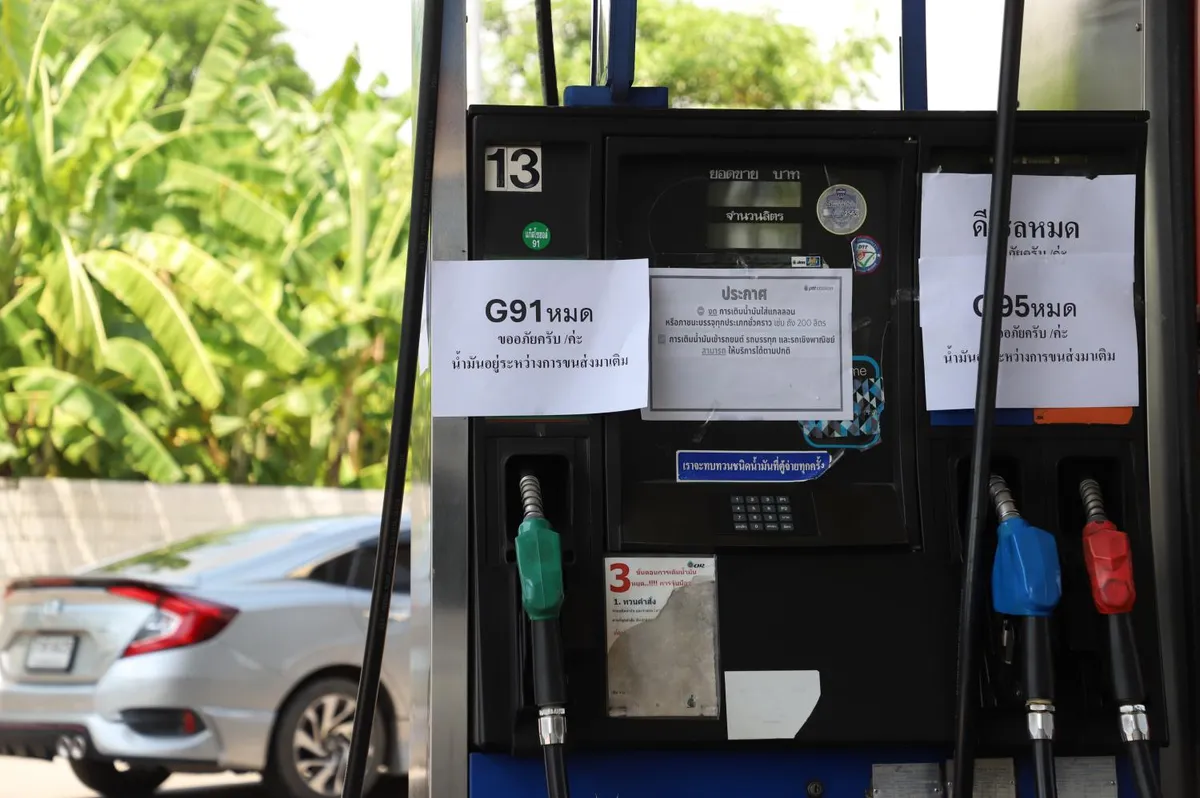
Widespread fear of scarcity, fueled by anxieties surrounding international conflicts, triggered a surge in demand for fuel in March. Petrol stations across the country reported running out of stock, despite official assurances that reserves were sufficient for at least 60 days. This incident highlighted the critical role of clear communication and public trust in navigating such situations.
The Impact of Social Media and Misinformation
According to Yodphot Wongrukmit, an independent energy analyst and Offo board member, misinformation circulating on social media was a primary catalyst for the panic. “Managing public panic is crucial because this situation is more difficult to handle than an oil shortage,” Mr. Yodphot stated. He emphasized that the overwhelming demand, which saw oil consumption triple in a single day, strained delivery logistics and led to temporary shortages at fueling stations, even though storage depots maintained adequate supplies.
Unusual Stockpiling and Industry Responses
The crisis saw unusual stockpiling behavior, with farmers reportedly purchasing hundreds of litres of diesel, a significant departure from their typical small-volume purchases. In response, refineries implemented measures to limit sales to “jobbers,” prioritizing fuel for their own service stations to ensure broader public access. Jobbers, who traditionally distribute fuel to rural areas, faced significant challenges in securing supplies, impacting industrial and agricultural sectors, as well as smaller, independent petrol stations.
Recommendations for Future Stability
Energy analysts are advocating for the utilization of the Oil Fuel Fund as a buffer against price fluctuations. Furthermore, they stress the importance of accelerating the adoption of renewable energy sources to reduce dependence on imported oil. Diversifying energy portfolios and enhancing crisis communication strategies are identified as key components in preventing a recurrence of the March panic.
