

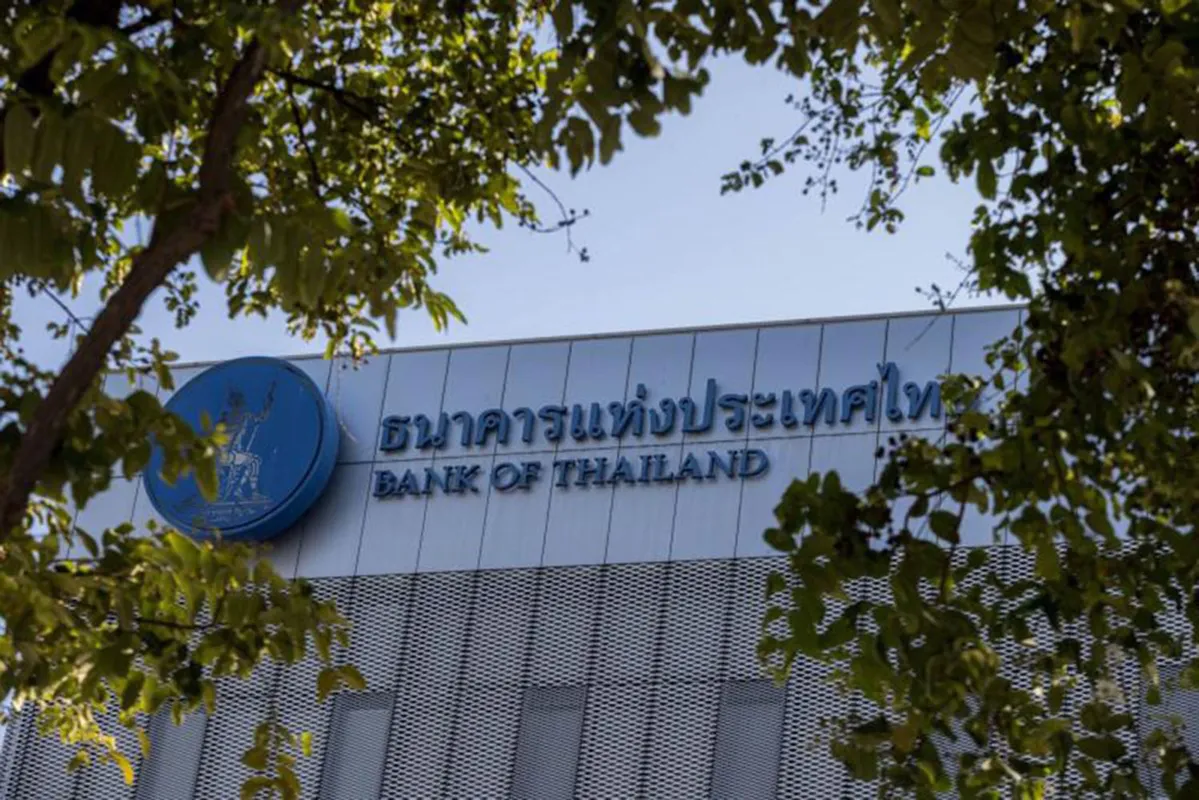
Central Bank Advances Stablecoin Initiative and Reinforces Foreign Exchange Regulations
The nation’s central bank is moving forward with its plans to introduce a domestic stablecoin, with a public hearing anticipated by year’s end. Strict initial requirements are being established for any stablecoin seeking to operate within the country, according to a senior official speaking at the “Capital with Purpose” conference.
Stablecoin Framework and Initial Rollout
A cornerstone condition for any approved stablecoin will be full backing on a 1:1 basis by Thai baht reserves. Initially, the central bank intends to permit financial institutions to utilize these stablecoins solely for settlement purposes. The evaluation and potential expansion to additional use cases will be considered in subsequent phases. This strategic approach aims to strike a balance between embracing technological advancements and upholding financial stability and regulatory oversight, particularly as global interest in digital currencies continues to surge.
Cross-Border QR Code Payments Under Scrutiny
Addressing concerns regarding cross-border mobile payment services, it was reiterated that personal QR code payments within Thailand must exclusively be conducted in Thai baht. The use of Yuan-denominated transfers via personal QR codes on platforms such as Alipay and WeChat Pay is not permitted in the Thai market. The central bank is actively collaborating with the operators of these platforms to scrutinize transactions and identify any instances of non-compliance with Thai regulations.
Enforcement Actions and Penalties
Approximately 5,000 accounts that were utilized for peer-to-peer Yuan transfers through Alipay and WeChat Pay between February 2025 and May 2026 have been suspended. Regulated payment service providers are mandated to process transactions only in Thai baht. Breaches of this regulation could lead to corrective measures, substantial fines, operational suspensions, or even the revocation of licenses.
Crackdown on Unlicensed Forex Trading
In parallel, the central bank is intensifying its efforts to curb the proliferation of businesses offering foreign exchange trading (forex) services to retail customers. The institution does not have a policy in place to grant licenses for forex operations specifically targeting speculative trading. Providing money transfer services to facilitate such speculative transactions, whether domestic or foreign, could be in violation of Thailand’s Exchange Control Act of 1942.
Penalties for Forex Violations
Violations of the Exchange Control Act are subject to penalties that can include fines of up to 200,000 baht and imprisonment for up to three years, or both. Furthermore, individuals or entities found to be advertising or promoting speculative foreign currency trading could face charges under the Emergency Decree on Fraudulent Borrowing of 1984. Penalties under this decree may encompass prison terms ranging from 5 to 10 years, fines between 500,000 and 1 million baht, and daily fines of up to 10,000 baht for ongoing offenses.
Dual Objective: Innovation and Protection
The regulator’s overarching objective is twofold: to foster innovation within the fintech sector while simultaneously maintaining stringent control over currency flows and ensuring robust consumer protection as Thailand navigates the rapidly evolving landscape of digital payments.
