

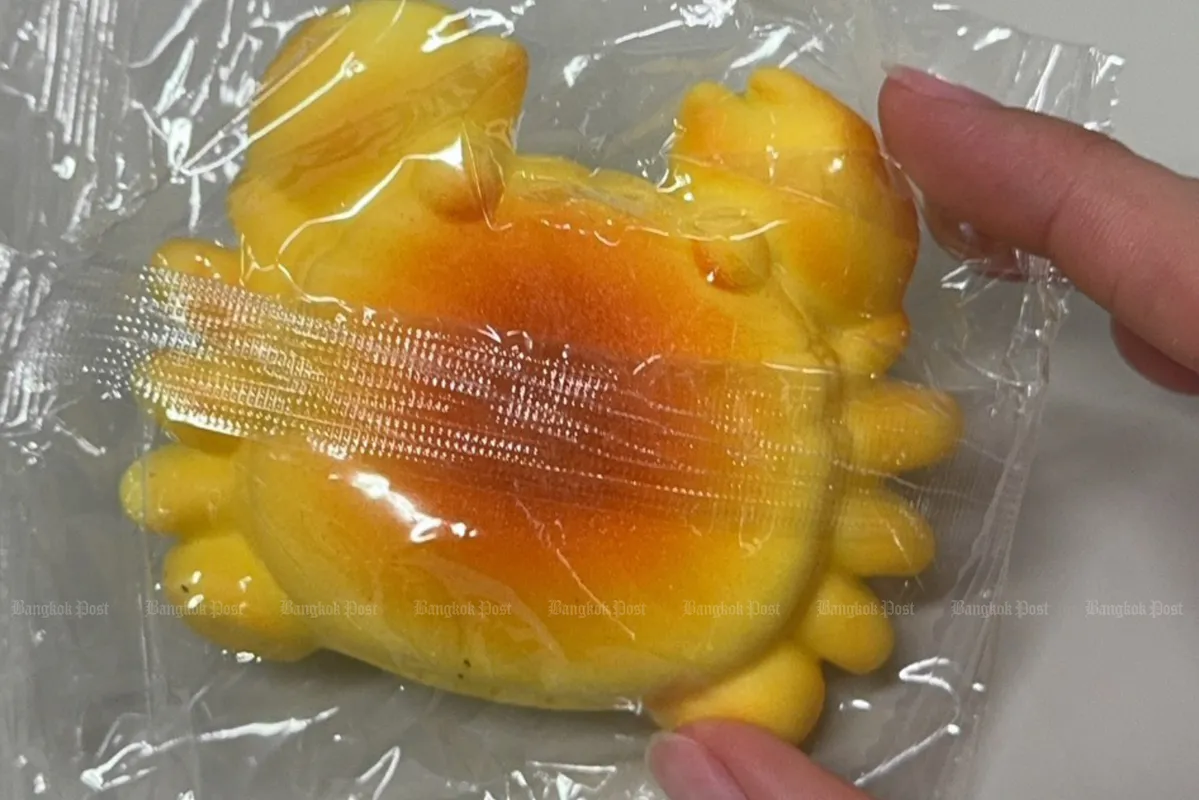
Thai authorities are issuing stern warnings about the potential dangers lurking within the popular ‘squishy’ toys that have taken the nation by storm. As these slow-rising foam toys experience a resurgence in popularity, fueled by social media trends and influencer endorsements, concerns are mounting over the safety of unbranded imitations flooding the market. These toys, known for their satisfying tactile feel and slow return to shape after being squeezed, are a hit among children and teenagers alike.
The Squishy Phenomenon: A Resurgence in Popularity
Squishies, originally designed as stress-relief items, have seen a remarkable comeback in popularity this year. Viral reviews and endorsements from prominent social media influencers and celebrities have reignited interest in these soft, pliable toys. Typically shaped to resemble appealing items like baked goods or various foods, squishies offer a unique sensory experience. When compressed, they provide a gratifying tactile sensation before slowly expanding back to their original form. This satisfying characteristic, combined with their visual appeal, has made them a must-have item, particularly among younger demographics.
The trend is particularly noticeable in bustling marketplaces like Bangkok’s Sampheng Market. Here, the demand for squishies has surged dramatically, with parents, children, and Gen Z teenagers reportedly flocking to purchase them from the early hours of the morning. The vibrant displays and wide variety of shapes and designs available contribute to the allure, making it a prime spot for enthusiasts seeking the latest squishy additions.
Safety Concerns Emerge Over Unbranded Imitations
Amidst this toy craze, a shadow of concern has been cast by reports highlighting the presence of substandard and potentially hazardous squishy toys. Many of these unbranded imitations lack clear origins and have been found to contain chemical residues exceeding established safety limits. The Thai government, recognizing the potential risks, has initiated measures to address these safety concerns.
Supamas Isarabhakdi, a minister in the Prime Minister’s Office overseeing the Consumer Protection Board, announced on Saturday that she had directed officials to actively monitor the market and disseminate warnings regarding these substandard squishy toys. The Thai Industrial Standards Institute (TISI) has been tasked with the critical responsibility of inspecting both physical retail outlets and online platforms to identify and remove any unsafe products.
Potential Health Risks Associated with Substandard Squishies
The primary risks associated with these unsafe toys stem from their composition and design. Ms. Supamas elaborated on the potential health hazards, emphasizing that squishies manufactured from low-grade materials may leach harmful chemical residues. Over prolonged periods of inhalation, these residues could potentially lead to respiratory irritation. This underscores the importance of using safe, tested materials in toy production.
Furthermore, a significant concern revolves around the deceptive appearance of some squishies. Toys designed to closely resemble edible items, such as fruits or pastries, pose a particular risk to very young children. The potential for these children to mistake the toys for actual food and attempt to ingest them presents a serious choking hazard. This highlights the need for clear design distinctions and parental supervision.
Regulatory Measures and Consumer Guidance
To combat these risks, Thai authorities are implementing a multi-pronged approach. Producers, exporters, and sellers will be held jointly accountable for any harm caused by unsafe toys, in accordance with the Product Liability Act. This legal framework aims to ensure that all parties involved in the supply chain prioritize safety and quality.
Ms. Supamas provided crucial advice for parents navigating the market. She urged consumers to prioritize toys that feature clear Thai-language labels indicating the manufacturer or importer. Equally important is the presence of the TISI certification mark, which signifies that the product has met established safety and quality standards. This mark serves as a vital indicator of a toy’s compliance with national regulations.
Consumers are also advised to be wary of strong chemical odors emanating from toys. Ms. Supamas cautioned that if a squishy possesses a potent chemical smell, or an unusually strong artificial fragrance that seems intended to mask other odors, it should be considered unsafe and avoided. Such smells can be indicative of harmful volatile organic compounds or other hazardous substances.
Global Context: Squishy Safety Standards Worldwide
The concerns raised in Thailand are not isolated. Many countries worldwide have implemented restrictions, seizures, or recalls of specific squishy products due to identified safety hazards. The most prevalent issues leading to regulatory action typically involve chemical toxicity and the risk of choking.
A notable example occurred in Denmark in 2018. The Danish Environmental Protection Agency conducted tests on twelve squishy toys and found that every single one released unacceptable levels of harmful substances, including dimethylformamide. Consequently, these products were removed from the Danish market, illustrating a global awareness and proactive stance on toy safety.
The composition of squishies can vary, but they are generally made from soft, flexible polymers. Premium brands, such as iBloom from Japan, are renowned for their high-quality squishies, with some large items fetching prices close to 10,000 Thai baht. While these premium products may adhere to stricter safety standards, the proliferation of cheaper, unbranded alternatives poses the most significant challenge for regulators and consumers alike.
Key Takeaways
- Popular ‘squishy’ toys are experiencing a surge in popularity, driven by social media trends.
- Thai authorities are warning consumers about the risks associated with unbranded, substandard squishy toys.
- Concerns include the presence of hazardous chemical residues and choking hazards, especially for young children.
- The Thai Industrial Standards Institute (TISI) is inspecting markets to remove unsafe products.
- Consumers are advised to look for Thai-language labels, TISI certification, and to avoid toys with strong chemical odors.
- Producers and sellers face joint liability for damages caused by unsafe toys.
- Globally, regulatory bodies have previously identified and restricted squishies due to chemical toxicity and choking risks.
Frequently Asked Questions (FAQ)
What are squishies?
Squishies are soft, pliable toys, typically made from slow-rising foam, that are designed to be squeezed and slowly return to their original shape. They come in various forms, often resembling food or cute characters, and are popular for their tactile satisfaction and stress-relief qualities.
What are the main safety risks associated with squishies?
The primary safety risks involve chemical toxicity from low-grade materials, which can cause respiratory irritation, and choking hazards, particularly if small children ingest parts of toys designed to look like food. Strong chemical odors can also indicate unsafe composition.
How can parents ensure they are buying safe squishies?
Parents should look for toys with clear Thai-language labels identifying the manufacturer or importer and seek out the TISI certification mark. It is also advisable to avoid toys that have a strong chemical smell or an overpowering artificial fragrance, as these may be signs of unsafe materials.
Conclusion
The widespread appeal of squishy toys presents a clear challenge for consumer safety advocates and regulatory bodies. While the tactile joy and stress-relief benefits of these toys are undeniable, the potential for harm from unregulated and unbranded products cannot be overlooked. Thai authorities are taking proactive steps to mitigate these risks through monitoring, inspection, and public awareness campaigns. By adhering to the guidance provided – prioritizing certified products, checking for clear labeling, and being vigilant about potential chemical odors – consumers can better protect themselves and their children from the dangers posed by substandard squishies, ensuring that playtime remains both fun and safe.
