

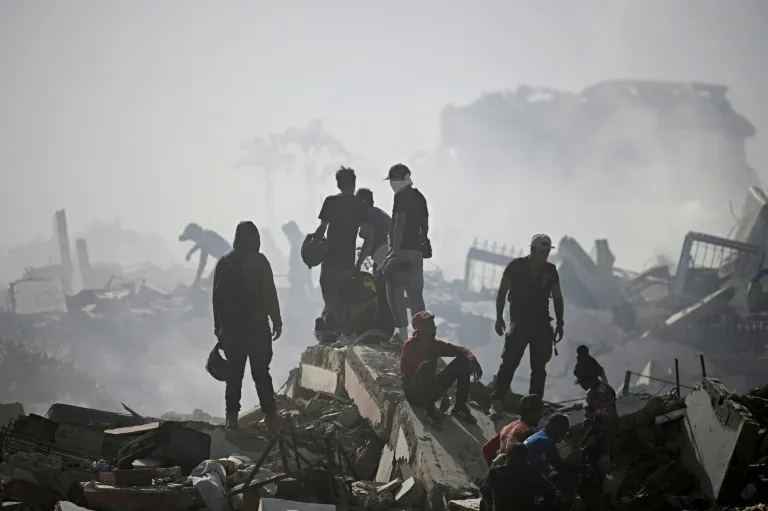
Three days after powerful earthquakes struck Venezuela, residents are expressing growing frustration over what they describe as a slow official response to the disaster. The tremors, registering magnitudes of 7.2 and 7.5, have resulted in a tragic loss of life, with over 1,430 confirmed fatalities and more than 50,000 individuals reported missing. In the face of this immense tragedy, many affected citizens are taking matters into their own hands, digging through debris in desperate attempts to find survivors and loved ones, often with little to no government assistance.
Mounting Frustration and Desperate Measures
In both the capital city of Caracas and the heavily impacted state of La Guaira, the scene is one of profound sorrow and urgent, often unassisted, rescue efforts. Residents have been observed using their bare hands to sift through rubble, a testament to their desperation and the perceived lack of adequate official support. The situation is particularly dire in La Guaira, where the community was focused on the agonizing search for nine-year-old Dana. For over 18 hours, her cries for help could be heard from beneath the rubble, a sound accompanied by the heart-wrenching sobs of her mother.
Neighbors like Dani Rizo, 48, recounted the harrowing experience of listening to the trapped child. “Since last night we’ve been trying to get the little girl out and you can hear her voice there,” Rizo told reporters. Tragically, hours later, the sounds ceased, and Rizo conveyed the devastating news, “She’s dead,” his face etched with misery.
Calls for Essential Resources
The overwhelming sentiment among those affected is a plea for a more rapid and robust deployment of official rescue teams and heavy machinery. The need for generators, metal grinders, and backhoes to clear the extensive debris is critical, according to affected residents. Antonio Bermudez, 45, shared his anguish from Caracas, describing the sounds of a young woman named Jennifer trapped on the 11th floor of a collapsed building. “However, we don’t have tools. We have no way to help,” he stated, highlighting the immense gap between the need and the available resources.
Bermudez also spoke of two brothers trapped just a few meters away from Jennifer. “One of them answers and says he’s wounded in the stomach,” he recounted, explaining that their father and another brother were attempting a rudimentary rescue with a pickaxe and sledgehammer. Thousands of Venezuelans have spent the past three days engaged in similar efforts, working tirelessly without the expected government backing.
Experienced Rescuers Highlight Shortcomings
Domingo Pacheco, a volunteer rescuer with over three decades of experience, has joined the efforts, describing the situation as “extremely critical.” He emphasized the “serious lack of help in terms of machinery and manpower,” underscoring the challenges faced by even experienced individuals trying to make a difference.
A History of Powerful Tremors
The recent earthquakes are the most powerful to have shaken Venezuela since a magnitude 7.7 tremor occurred offshore in 1900. The scale of destruction has left many communities devastated, with residential buildings and even a five-star hotel in the Playa Grande area of La Guaira collapsing during the tremors.
Personal Tragedies and Public Appeals
Marlon Ochoa, who is independently searching for his mother, wife, and son, expressed his dismay at the visible absence of authorities taking charge. “I still don’t see the authorities themselves taking charge of the situation here in this area,” he said. “We need things here — machinery, generators, all kinds of stuff… we need help, there are people alive.” His words echo the urgent need for resources and a more visible and active government presence.
Jean Alexander Capote, who lost his mother-in-law and is searching for his stepdaughter, voiced his frustration at the slow pace of official support. “We want help soon, as quickly as possible,” he pleaded, denouncing the perceived governmental inaction.
Official Statements and Actions
In a televised address, a government official, Rodriguez, acknowledged the contributions of international volunteers already present in Venezuela. She conveyed a message of solidarity, stating, “This is a painful situation for our country, but it is already showing what our people are like. I want to embrace these families and tell them: you are not alone.”
Rodriguez also announced plans for a military deployment to La Guaira. However, observers noted a limited presence of soldiers on the streets as of Saturday. In an effort to manage the situation, the government announced on Friday that access to La Guaira would be restricted. The stated reason for this measure was to prevent the massive influx of volunteers from hindering ongoing search and rescue operations.
Key Takeaways
- Powerful earthquakes in Venezuela have resulted in over 1,430 deaths and left more than 50,000 missing.
- Residents are expressing significant frustration with the perceived slow official response and lack of government support.
- Affected citizens are undertaking dangerous, unassisted rescue efforts using their hands and basic tools.
- There is an urgent need for heavy machinery, generators, and trained manpower for effective search and rescue operations.
- The government has announced military deployment and restricted access to La Guaira, citing the need to manage volunteer influx and aid rescue efforts.
Frequently Asked Questions
What is the current death toll from the Venezuelan earthquakes?
As of the latest reports, the earthquakes have claimed the lives of over 1,430 people, with more than 50,000 individuals still unaccounted for.
What resources are urgently needed in the affected areas?
There is a critical need for heavy machinery such as backhoes and metal grinders, as well as generators and trained personnel to assist in search and rescue operations.
What has been the official government response so far?
The government has announced a military deployment to affected areas and has restricted access to La Guaira, stating that the large number of volunteers was impeding rescue efforts. Officials have also thanked international volunteers and expressed solidarity with affected families.
Conclusion
The aftermath of the recent powerful earthquakes in Venezuela is marked by a profound human tragedy and a growing sense of urgency among the affected population. While official efforts are being mobilized, the immediate needs on the ground are immense, with citizens actively engaged in desperate rescue attempts. The calls for more resources, faster deployment of aid, and a more visible official presence underscore the critical challenges faced by communities grappling with this devastating natural disaster. The coming days will be crucial in determining the effectiveness of both governmental and international support in alleviating the suffering and aiding in the recovery process.
