

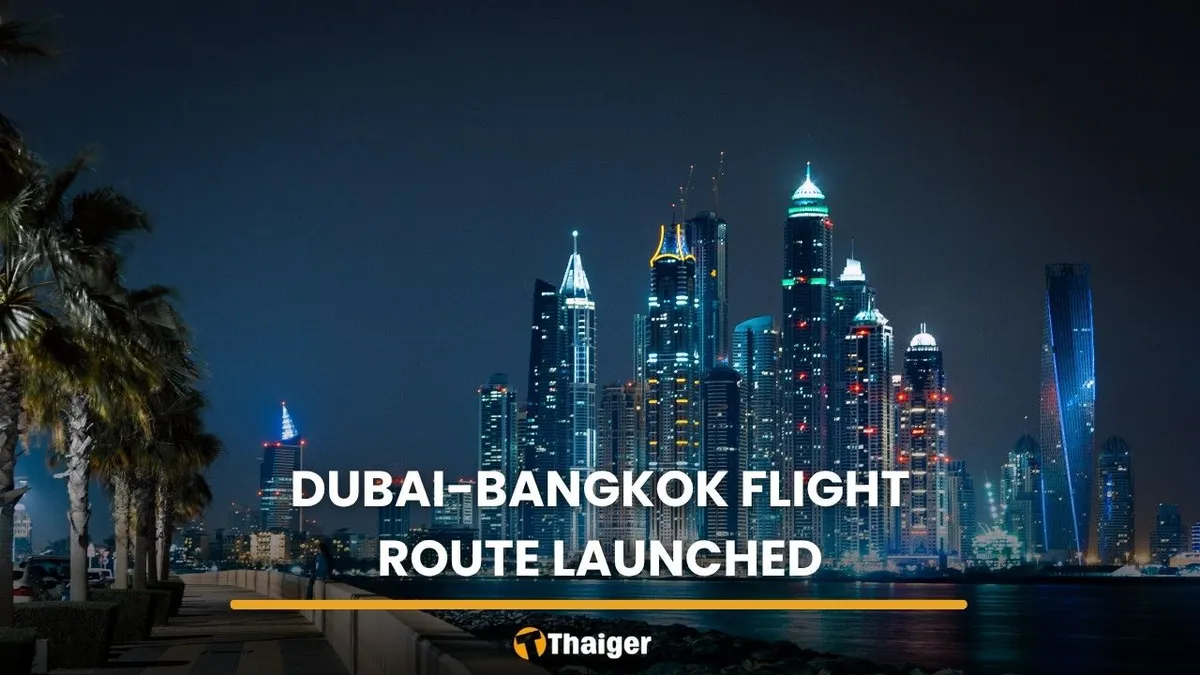
Thailand is enhancing its appeal to high-spending travelers from the Middle East with the introduction of a new direct flight route connecting Dubai and Bangkok. This initiative, spearheaded by the Tourism Authority of Thailand (TAT) in collaboration with flydubai, aims to bolster tourism from a key long-haul market.
New Direct Flight Service Launched
The inaugural flight from Dubai to Bangkok commenced operations on July 1, marking a significant step in Thailand’s strategy to attract more visitors from the United Arab Emirates and surrounding regions. Deputy Government Spokesperson Ploythalay Laksamisaengchan highlighted the partnership between the TAT and flydubai, emphasizing the importance of this new air link.
To further promote this route and the “Amazing Thailand” brand, the TAT is organizing a series of roadshows. These promotional events are scheduled to take place in Dubai on July 7 and in Abu Dhabi on July 8, under the campaign banner “Amazing Thailand Takes Off with flydubai Roadshow 2026.” These events are designed to engage potential travelers and tourism stakeholders directly in the Middle East.
Middle East Market: A Lucrative Segment
The Middle East, with the UAE as a primary focus, is identified as a crucial market for Thailand’s tourism sector. This demographic is particularly attractive due to the high average spending per visitor. Data indicates that between January 1 and June 21 of the current year, Thailand welcomed 188,447 tourists from the Middle East. These visitors demonstrated a strong economic contribution, spending an average exceeding 100,000 Thai Baht per person during their trips.
Visitor Profile and Preferences
Travelers from the Middle East typically exhibit distinct preferences that align well with Thailand’s luxury tourism offerings. Their average stay spans 10 to 12 nights, during which they often choose to patronize five-star hotels and high-end resorts. A notable characteristic of this market is the tendency for extended family groups to travel together, contributing to larger overall spending and a richer cultural exchange.
Furthermore, the market shows a strong propensity for repeat visits, with a remarkable 65% of Middle Eastern tourists returning to Thailand. This high rate of repeat visitation is seen as a testament to the quality and appeal of Thailand’s tourism services and experiences, reflecting sustained confidence in the destination.
Expanding Capacity and Future Outlook
The new direct route currently operates one flight daily between Dubai and Don Mueang International Airport (DMK) in Bangkok. Recognizing the potential demand, flydubai has plans to increase the frequency to two flights per day, effective September 15. This expansion will introduce approximately 10,292 additional seats to Thailand during the peak summer months of July and August.
The anticipated increase in seat capacity is strategically timed to stimulate travel demand from the Middle East in the lead-up to the busy year-end tourism season. Officials believe this enhancement will solidify Thailand’s status as a premier travel destination for individuals and families from the Middle East, further diversifying Thailand’s international tourism base and contributing to the national economy.
Strategic Importance of Air Connectivity
The introduction of direct flights and subsequent capacity increases underscore Thailand’s commitment to strengthening international air connectivity. Reliable and frequent air services are fundamental to attracting and accommodating international visitors, particularly those from distant markets like the Middle East. By facilitating easier travel, Thailand aims to capture a larger share of the lucrative long-haul tourism market.
The focus on high-spending segments like Middle Eastern travelers is a key component of Thailand’s tourism strategy. These visitors not only contribute significantly to revenue but also often seek unique, high-quality experiences, which can lead to positive word-of-mouth and further enhance Thailand’s global tourism image. The ongoing promotional efforts and infrastructure improvements, such as increased flight frequencies, are expected to yield substantial benefits for the Thai tourism industry in the coming years.
Conclusion
The new Dubai-Bangkok flight route and the accompanying promotional campaigns represent a proactive approach by Thailand to tap into the valuable Middle Eastern travel market. With a focus on luxury, extended stays, and repeat visitation, this strategic move is poised to enhance tourism revenue and reinforce Thailand’s reputation as a world-class destination.
