

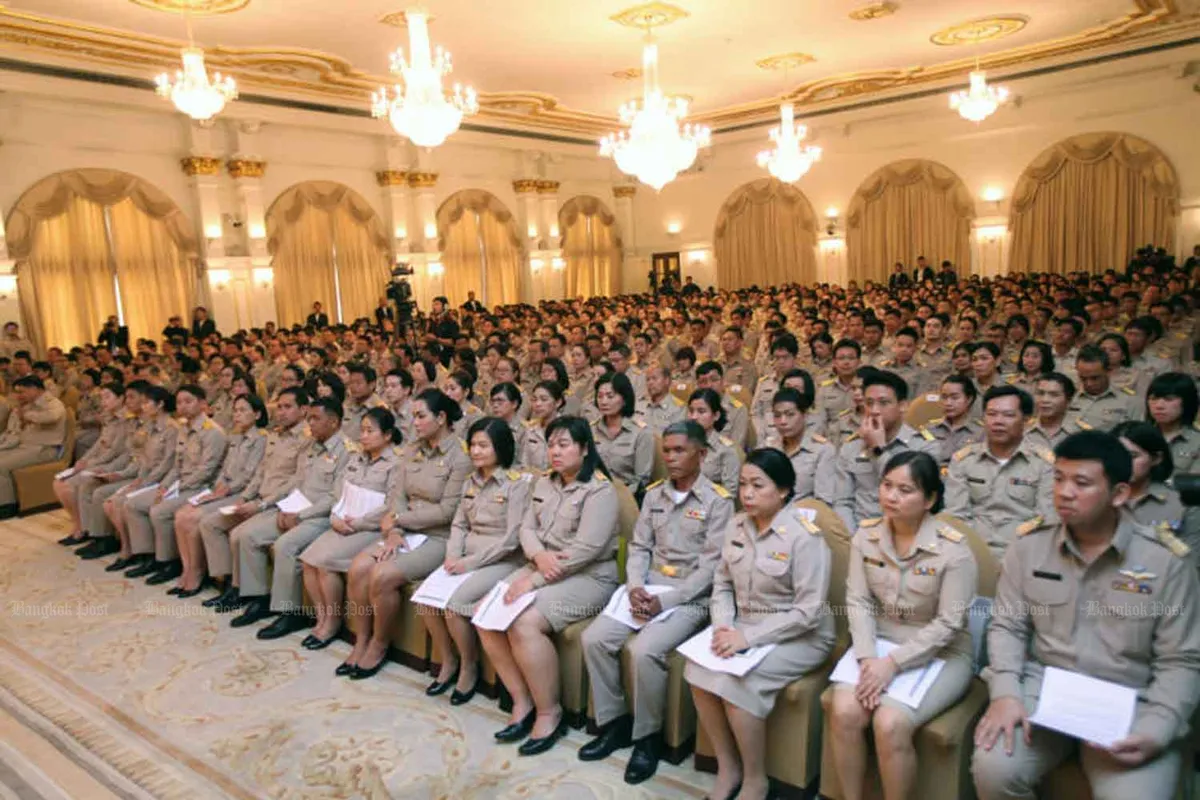
A proposal to allow Thai civil servants to take early retirement is under consideration, aiming to address challenges posed by technological advancements, particularly in the age of artificial intelligence. The initiative, while sparking debate among academics and officials, is seen by proponents as a necessary step to modernize the public sector and adapt to a rapidly changing global labor market.
Early Retirement Proposal Details
The proposed early retirement scheme is not intended for all officials aged 40 and above. Instead, it is expected to primarily target those between the ages of 40 and 45, with careful consideration given to their pension and gratuity entitlements. The rationale behind focusing on this age group, rather than older officials (50 and above), is the perceived difficulty many older workers would face in transitioning to new careers.
One key figure involved in the discussions highlighted the increasing challenge of career changes in the current era, stating, “Changing careers is not easy, especially in the AI era. Many people are already losing jobs because of technological disruption, so the question is how they can be upskilled and reskilled.” This sentiment underscores the broader economic shift driven by artificial intelligence and digital technologies, which are reshaping labor markets worldwide.
While some younger graduates are adapting by becoming entrepreneurs and leveraging AI and social media for small businesses, older workers often face greater family responsibilities, making career changes more daunting. Consequently, the government emphasizes that participation in any early retirement program will remain voluntary. “If someone chooses to resign voluntarily, it means they have already prepared a path forward, and they should be allowed to pursue it,” an official explained.
Preliminary estimates suggest that over 10,000 civil servants could be eligible for such a program, though this figure is still under review. The implementation of any early retirement scheme would necessitate thorough preparation, including robust upskilling and reskilling initiatives to equip participants for future labor market demands. “This is not something that will happen overnight. It requires careful planning,” a proponent of the plan noted.
Addressing Criticisms and Future Challenges
Despite the potential benefits, the proposal has faced criticism, with some academics deeming it unrealistic. However, proponents argue that delaying such reforms will only exacerbate existing problems. “If we don’t act today and wait another 10 years, the problem will become even bigger and future generations will have to deal with it,” one official stated. “These problems did not just emerge recently — they have accumulated over many years.”
Academics, however, have raised concerns that the plan might be misguided and could lead to new social and economic challenges. Satithorn Thananithichot, a political science lecturer at Chulalongkorn University, questioned the wisdom of setting the retirement threshold as low as 40. While acknowledging that budget concerns might be driving the proposal, he pointed out that civil service salaries are relatively modest, suggesting that the fiscal burden might not be as significant as perceived.
The Core Issue: Post-Retirement Absorption and Efficiency
Mr. Satithorn emphasized that the more critical issue is what happens to individuals after they leave the civil service. “If people leave the system, will there be jobs or businesses to absorb them? The real problem lies in the inefficient use of civil servants, not their numbers as such. Many officials are tied up in routine, regulation-heavy tasks that do not generate economic productivity,” he argued.
Instead of focusing on staff reduction through early retirement, Mr. Satithorn suggested that the government should explore redistributing workloads more effectively. This perspective highlights a potential alternative approach to modernizing the bureaucracy and curbing personnel costs without necessarily resorting to early exits.
Broader Context: Bureaucratic Overhaul
These discussions occur as the government actively studies a comprehensive overhaul of the civil service. The overarching goals of this modernization effort include curbing escalating personnel costs and streamlining bureaucratic processes to enhance efficiency and responsiveness. The early retirement proposal is one facet of this larger initiative, aimed at creating a more agile and future-ready public administration.
The global trend of digital transformation and the rise of AI present both opportunities and challenges for public sectors worldwide. Thailand’s consideration of early retirement reflects a broader effort to adapt its workforce to these changes, ensuring that the civil service remains effective and relevant in an increasingly automated world. The debate underscores the complex balancing act between fiscal management, workforce adaptation, and ensuring the continued productivity and well-being of public servants.
