

CP Group has introduced a novel initiative to tokenize carbon credits generated from forest conservation efforts, leveraging blockchain technology to enhance transparency and facilitate trading. This groundbreaking project aims to create new financial avenues for forest management and community development, particularly in areas surrounding the Doi Tung forest.
Tokenizing Forest Carbon Credits: A New Approach to Conservation
The core of this initiative lies in the process of carbon credit tokenization. This involves converting verified carbon credits, which represent a reduction or removal of greenhouse gas emissions, into digital tokens on a blockchain. This digital representation allows for more efficient, transparent, and traceable transactions compared to traditional carbon credit systems.
In the initial phase, carbon credits derived from forests managed by the Mae Fah Luang Foundation are being made accessible through the TrueMoney application. This platform enables individuals to purchase these digital tokens, which can then be used to offset their personal carbon footprint from activities like travel or daily consumption.
Bridging Environmental Goals with Community Development
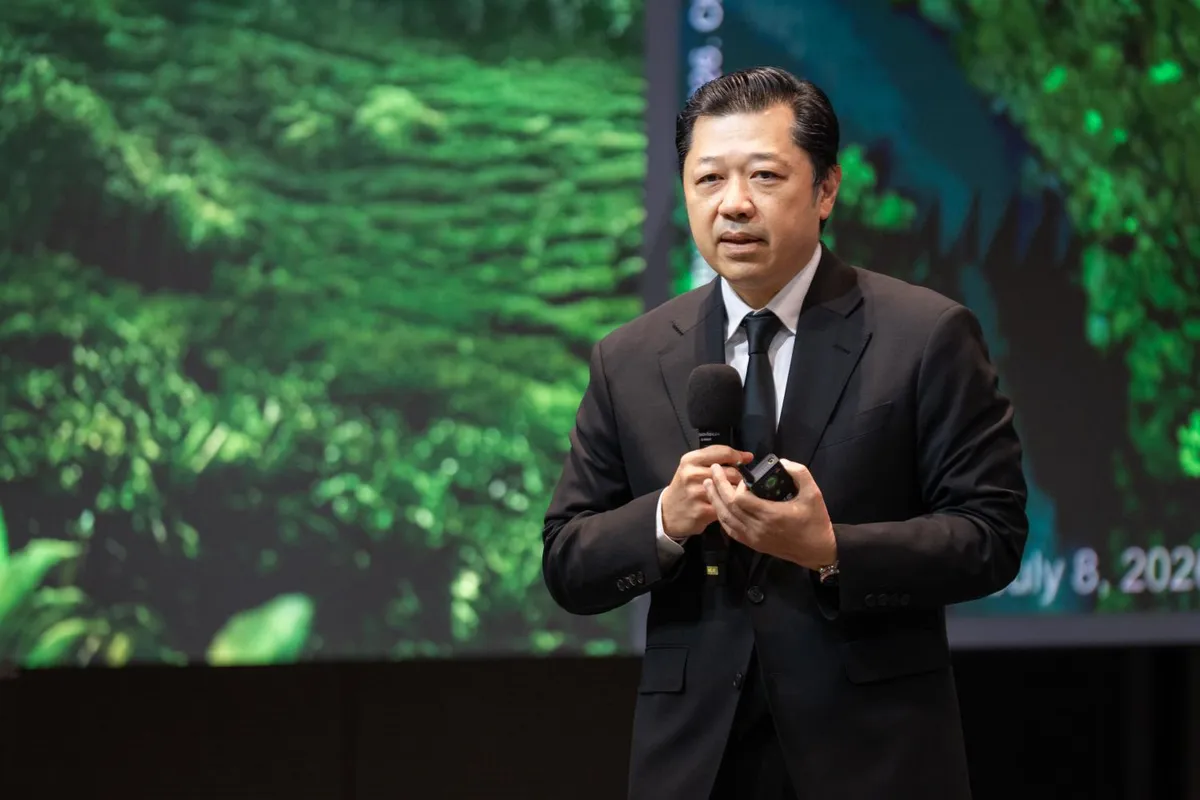
Suphachai Chearavanont, senior vice-chairman of CP Group, highlighted the strategic importance of this project. He explained that the initiative seeks to tokenize carbon credits specifically from the Doi Tung forest, thereby addressing a critical gap between corporate environmental, social, and governance (ESG) objectives and the tangible development needs of local communities. This approach aims to foster an inclusive conservation model that recognizes and integrates the value of natural capital into economic frameworks.
CP Group has committed an initial 30 million baht to purchase these carbon credit tokens. This financial investment is earmarked for essential forest maintenance and to provide support for designated villages within the conservation areas. Mr. Chearavanont emphasized that this budget is crucial for sustaining the ecological health of the forests and supporting the livelihoods of the communities that depend on them.
Pilot Project Scope and Economic Impact
The pilot project encompasses an area of approximately 10,000 rai across Chiang Mai, Chiang Rai, and Tak provinces. By utilizing blockchain technology, the initiative aims to establish new revenue streams for local communities through conservation activities. This blockchain-enabled conservation model is designed to provide direct economic benefits to those actively involved in protecting and restoring forest ecosystems.
CP Group projects that if around 200 households managing the initial 10,000-rai area can achieve an additional monthly income of 10,000 to 15,000 baht through conservation efforts, coupled with high-value agriculture, the model could significantly alleviate pressure on forest resources. Simultaneously, it promises to enhance the economic well-being of rural populations, creating a virtuous cycle of conservation and prosperity.
Roadmap for Digital Transformation and Future Phases
Looking ahead, CP Group has outlined a comprehensive roadmap for the period between 2026 and 2030. This plan involves the development of an integrated digital system designed to connect forest restoration activities, carbon sequestration data, and broader natural capital metrics. This digital infrastructure is intended to provide a holistic view of environmental assets and their economic potential.
During the current first phase, consumers engaging with the initiative benefit from an instant redemption mechanism for certified carbon offsets. This blockchain-supported system streamlines the entire process, allowing for payment, verification, and the issuance of carbon offset certificates within a single, seamless digital experience. While users do not directly hold the digital tokens in personal electronic wallets at this stage, the underlying blockchain technology ensures enhanced transparency and traceability throughout every transaction.
Towards a Fully Tokenized System and Natural Capital Financing
CP Group envisions future phases that could lead to a fully tokenized system, pending regulatory approvals. This advanced stage would enable the tokenization of not only carbon credits but also a wider array of environmental services, biodiversity indicators, and other forms of natural capital. The company believes that digital tokens hold the potential to become a vital new financing mechanism for forest restoration projects, thereby broadening participation from corporations, investors, and the general public.
The pilot area is projected to generate approximately 10,000 tonnes of carbon dioxide equivalent in carbon credits. Furthermore, CP Group plans to establish a revolving forest restoration fund, valued at over 30 million baht, in collaboration with the Mae Fah Luang Foundation by 2030. This fund is intended to provide sustained financial support for long-term community development and the ongoing rehabilitation of forest ecosystems.
Doi Tung Forest as a Digital Asset Class
ML Dispanadda Diskul, secretary-general of the Mae Fah Luang Foundation, shared insights into the project’s progression. He noted that the initiative is currently participating in the second phase of the Bank of Thailand’s regulatory sandbox. The ultimate goal is to transform the entire 90,000-rai expanse of the Doi Tung forest into a recognized digital asset class. This ambitious undertaking is anticipated to reach completion later this year, marking a significant milestone in the integration of blockchain technology with natural resource management.
Conclusion: Innovating for Sustainable Futures
The CP Group’s launch of blockchain-based carbon credit tokens represents a forward-thinking approach to environmental conservation and community empowerment. By digitizing carbon credits and integrating them into accessible platforms, the initiative not only offers a transparent and efficient method for offsetting carbon emissions but also creates tangible economic incentives for local communities. This innovative model, supported by significant financial commitment and a clear long-term vision, has the potential to redefine forest conservation and natural capital financing, fostering a more sustainable and inclusive future.
