

Sales of luxury and premium vehicles in Thailand are experiencing a slowdown, primarily due to tighter lending conditions imposed by local banks and financing companies. This shift, driven by concerns over rising non-performing loans and high household debt, is impacting prospective buyers and altering the competitive landscape.
Tightened Loan Requirements Affect Buyers
Financial institutions have begun demanding more extensive documentation from individuals seeking to purchase high-end vehicles. While outright loan rejections are not yet widespread, approximately 10% of potential customers in the premium segment are encountering delays in securing financing approvals. This situation is creating a more challenging environment for both buyers and dealerships.
The backdrop to these stricter lending practices is a significant level of household debt, which reportedly stands at 86% of Thailand’s Gross Domestic Product (GDP). This figure, according to the Public Debt Management Office, underscores the financial caution being exercised by lenders as they manage their portfolios and mitigate risks associated with potential loan defaults.
Industry Data Reflects a Downturn
Official figures from the Department of Land Transport corroborate the observed slowdown. In the first quarter of 2026, new registrations for premium and luxury cars saw a notable year-on-year decrease of 19.1%. A total of 6,518 units were registered during this period, indicating a significant contraction in demand compared to the previous year.
Within this segment, established brands like BMW, Mercedes-Benz, and Volvo continue to hold significant market positions. However, the competitive intensity is escalating due to the growing presence and influence of Chinese automakers, who are steadily expanding their footprint in Thailand’s high-end automotive market.
Intensified Competition and Shifting Market Dynamics
The current market conditions are described as more challenging than those experienced in the pre-pandemic era. This increased difficulty is attributed not only to the tighter lending environment but also to the aggressive market strategies employed by Chinese premium car manufacturers. These factors combine to create a complex operating landscape for traditional luxury brands.
Despite these headwinds, representatives from Performance Motors, a key player in the market, express optimism regarding the future performance of brands such as BMW, Mini, and Porsche in Thailand. The company anticipates strengthening its market position, projecting an increase in its market share to 15% for 2026, a rise from 12% in the preceding year. This projection is supported by strong sales performance, with the company’s share already reaching 14% in the first half of 2026.
Long-Term Investment and Market Confidence
Sime Motors has reiterated its commitment to the Thai market, highlighting substantial investments made since 2021, exceeding 1.5 billion baht. A significant portion of this investment, over 500 million baht in 2025, was allocated to the Porsche Pattaya project. This investment signals a strong belief in Thailand’s potential as a crucial market within Southeast Asia, where per capita consumer spending remains robust.
Performance Motors operates an extensive network of five showrooms and service centers strategically located across Bangkok and various provincial areas. The company also offers comprehensive services through its body and paint facilities and certified used car outlets. Plans are underway to further expand the certified used car business within Bangkok, complementing existing operations in Don Mueang and Ayutthaya.
Adapting to Evolving Consumer Preferences
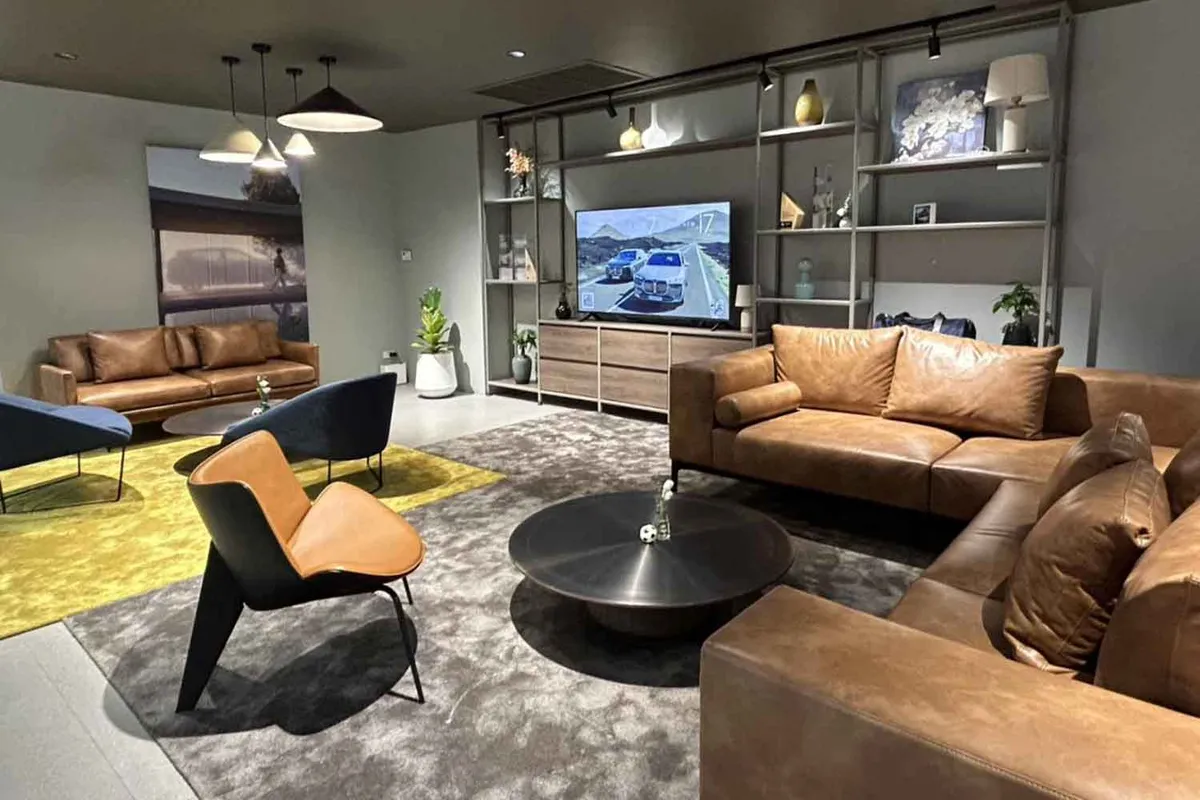
In an effort to appeal to a younger, more lifestyle-oriented demographic, Performance Motors has undertaken showroom modernizations. These upgrades include the integration of co-working spaces, designed to offer a contemporary and engaging environment for customers. Furthermore, the company has partnered with PTT Oil and Retail Business Plc to offer coffee under the Pacamara brand within its facilities, blending automotive retail with lifestyle amenities.
The evolving strategy reflects an understanding of changing consumer expectations and a proactive approach to navigating the complexities of the contemporary luxury automotive market. By adapting its retail spaces and offerings, Performance Motors aims to enhance customer experience and maintain its competitive edge amidst a dynamic economic and market landscape.
