

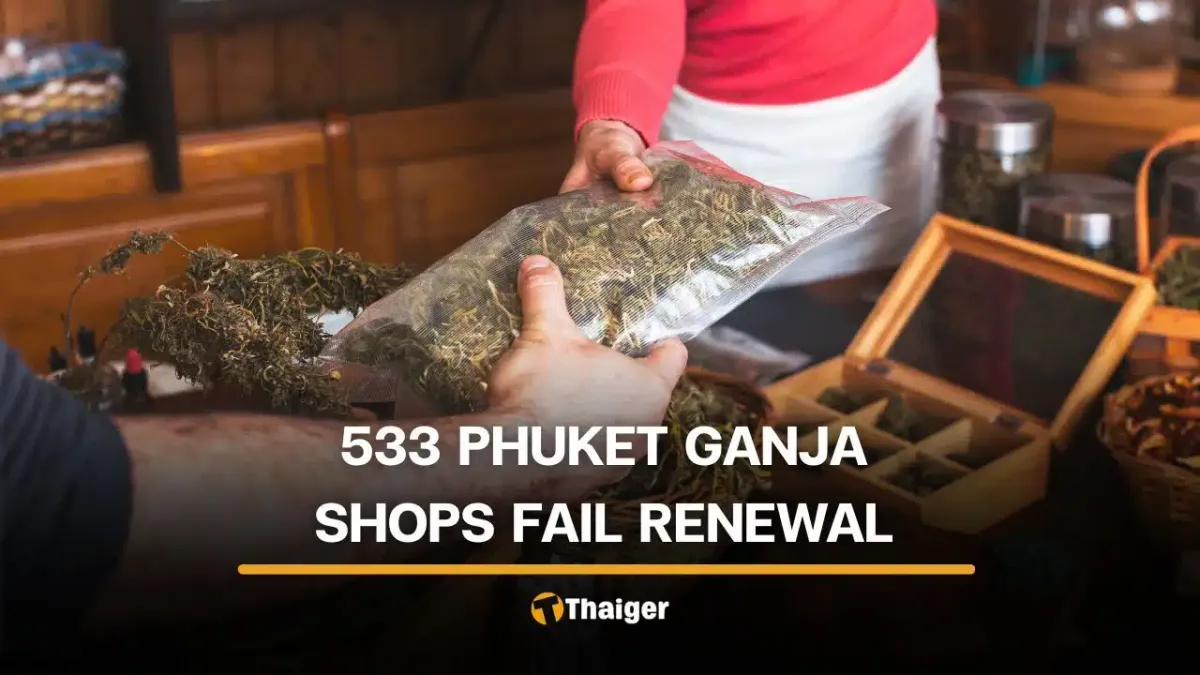
The Thai government is intensifying its regulatory oversight of cannabis sales, specifically targeting businesses that have failed to comply with rules designed to limit the plant’s use to medical purposes. Recent enforcement actions, particularly in the popular tourist destination of Phuket, have resulted in numerous businesses facing penalties for non-compliance.
Phuket Crackdown Highlights Regulatory Tightening
Authorities in Phuket have conducted extensive inspections of cannabis dispensaries, leading to significant findings regarding operational compliance. Deputy Government Spokesperson Ploythalay Lucksameesaengchan reported on July 19 that the inspections, involving a multi-agency task force including provincial administration officials, police, and the Provincial Public Health Office, uncovered widespread issues with business permits.
Specifically, 533 cannabis shops were found to have neglected the renewal of their operating licenses. In addition to these, 12 other businesses had their permits suspended altogether. These actions underscore a broader governmental effort to curb the recreational sale and use of cannabis, redirecting its availability strictly towards legitimate medical applications.
Further investigations are underway to ascertain whether the businesses with expired or suspended permits continued their operations illegally. The government has issued directives to all relevant agencies to adopt stringent measures against any unlicensed cannabis businesses, with a particular focus on tourist hotspots where the potential for misuse is perceived to be higher.
Government Aims to Enhance Public Safety and Tourism Confidence
The campaign to enforce stricter cannabis regulations is driven by a multi-faceted objective. Officials state the primary goals are to bolster public safety, ensure robust consumer protection, and restore and strengthen confidence in Thailand’s vital tourism industry. By ensuring that cannabis sales adhere to medical guidelines, the government seeks to mitigate potential negative impacts on public health and maintain Thailand’s reputation as a safe travel destination.
Current Regulations for Cannabis Sales
While cannabis remains legal in Thailand, its accessibility has been significantly narrowed. The current legal framework mandates that the purchase of cannabis flowers is restricted to individuals who can present a valid medical certificate or a prescription issued by an authorized healthcare professional. This requirement serves as a primary gatekeeper, ensuring that sales are directed towards those with a genuine medical need.
Licensed dispensaries are also subject to specific operational requirements. These establishments are obligated to have qualified medical personnel, or other legally recognized health professionals, on staff to provide expert advice to customers. For businesses that do not employ medical staff directly, partnerships with clinics or licensed doctors are mandatory. These partnerships facilitate the necessary customer assessments prior to any sale being completed, ensuring that the transaction aligns with medical guidelines.
The precise staffing and operational mandates can vary depending on the specific license granted to each dispensary and its unique business model. However, the overarching principle remains consistent: a focus on medical legitimacy and professional oversight.
Penalties for Non-Compliance
Businesses found to be in breach of these tightened cannabis regulations face considerable repercussions. Authorities have warned that violations could result in the suspension of operating licenses for periods ranging from 30 to 90 days. Beyond license suspension, businesses may also be subject to other legal actions, depending on the severity and nature of the infraction.
These enforcement measures signal a clear intent by the Thai government to reassert control over the cannabis market, prioritizing its therapeutic applications over recreational use. The ongoing inspections and penalties are part of a concerted effort to reshape public perception and practice surrounding cannabis in Thailand, aligning it with international standards for regulated substances and bolstering the integrity of the medical cannabis framework.
Broader Implications for the Cannabis Industry
The government’s move to restrict cannabis sales exclusively to medical uses has significant implications for businesses operating within the sector. Dispensaries that were previously catering to a recreational market must now adapt their business models to comply with the new requirements. This includes establishing protocols for verifying medical documentation and potentially restructuring their staffing to include or partner with healthcare professionals.
For consumers, the changes mean a more restricted access to cannabis products. While the intention is to ensure safe and appropriate use, it may present challenges for individuals who previously accessed cannabis for wellness or recreational purposes without a formal medical diagnosis. The emphasis on medical certificates and professional consultation aims to create a more structured and responsible market.
The long-term success of these regulations will likely depend on clear communication, consistent enforcement, and the accessibility of legitimate medical pathways for obtaining cannabis. As the government continues to refine its approach, stakeholders across the industry and the public will be observing the impact of these measures on public health, the economy, and the evolving landscape of cannabis policy in Thailand.
