

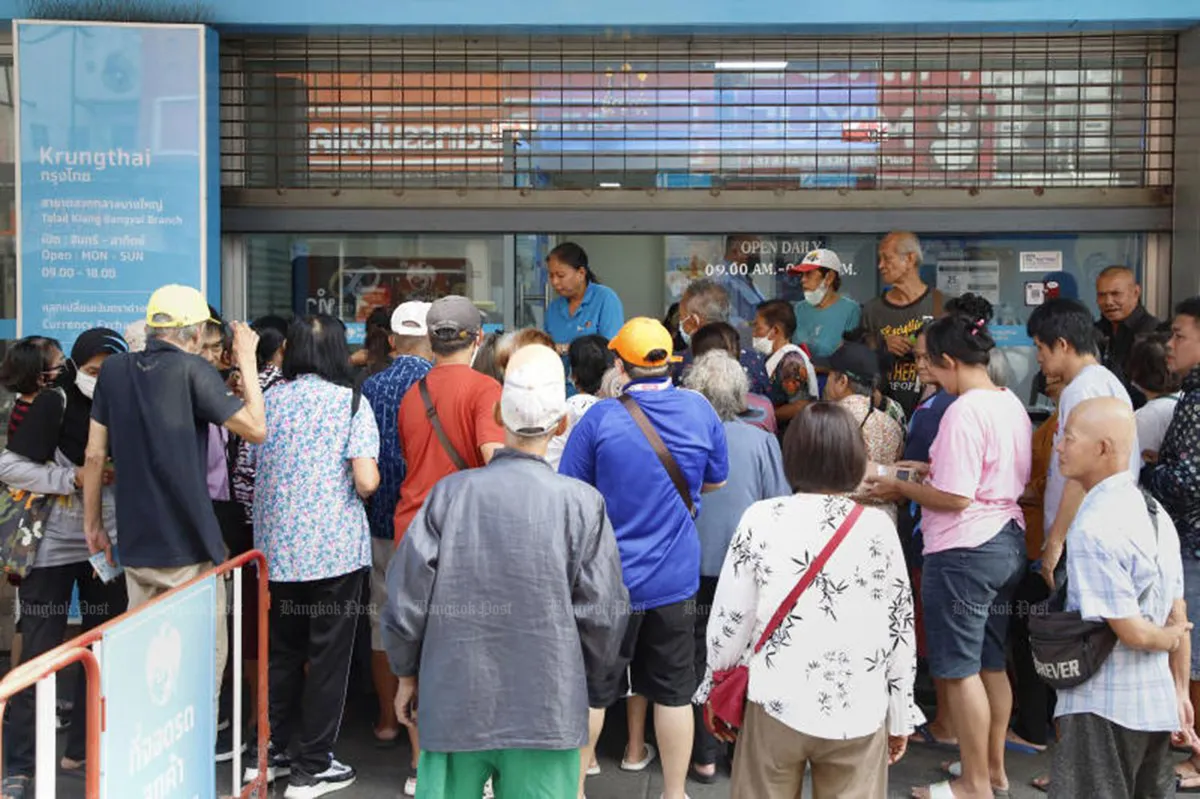
Approximately 210,000 individuals have lodged appeals against new eligibility rules for Thailand’s state welfare card program, which have impacted vehicle ownership assessments. The government spokeswoman, Ratchada Dhnadirek, stated that the changes aim to create a more equitable and accurate assessment of citizens’ assets, better reflecting their actual use. These appeals represent a significant portion of the roughly 370,000 vehicles nationwide that have been subject to review under the revised criteria.
Understanding the New Welfare Card Vehicle Criteria
The core of the recent adjustments involves how vehicles are factored into the asset assessment for welfare card eligibility. Previously, the age of a vehicle was a critical determinant. Under the new rules, motorcycles aged 15 years or older, and cars, trailers, and agricultural vehicles aged 20 years or older, are now excluded from the asset assessment. This modification is intended to align the assessment more closely with the current market value and practical utility of these assets, thereby ensuring that state assistance is directed towards those who genuinely require it.
Vehicle ownership has long been a key component in the government’s process of verifying eligibility for the welfare card program. This program is designed to provide financial and social support to low-income individuals and vulnerable groups. By scrutinizing asset ownership, authorities aim to confirm that applicants meet the established criteria for receiving state aid.
Geographic Distribution of Appeals
The appeals against the new vehicle rules have been filed across the country, with certain provinces seeing a higher volume of requests. Nakhon Ratchasima province recorded the largest number of appeals. Following closely behind were Chiang Mai, Lampang, Phetchabun, and Narathiwat. This distribution suggests that the impact of the revised criteria is felt broadly, though concentrated in specific regions.
Common Reasons for Appeal
The appeals submitted by citizens highlight several recurring issues:
- Vehicle Age Threshold: Many applicants found their vehicles disqualified based on the new age limits (15 years for motorcycles, 20 years for other vehicles), even if the vehicles were still functional.
- Unregistered Ownership Transfers: In numerous cases, vehicles had been sold or transferred to new owners informally. However, the registration records had not been updated to reflect these changes, leading to the previous owner being assessed for an asset they no longer possessed.
- Non-Operational Vehicles: A significant number of appeals were filed for vehicles that were no longer roadworthy, had been dismantled, or were simply not in use. Despite this, they were still being counted towards the applicant’s assets based on registration data.
Ms. Ratchada emphasized that individuals still have the opportunity to submit their appeals. The deadline for submitting requests is August 31. Following this date, all appeals will be evaluated based on the program’s established criteria and conditions to determine final eligibility.
Public Sentiment on Welfare Card Program
Beyond the specific issue of vehicle ownership, broader public opinion regarding the state welfare card program was recently surveyed. A poll conducted by the King Prajadhipok’s Institute (KPI) between July 25 and July 28, involving 2,000 respondents, revealed that while a majority support the continuation of the program, there are calls for significant improvements.
Key findings from the KPI survey include:
- Increased Card Limits: 31.7% of respondents advocated for higher credit limits on the welfare cards to enhance the level of state assistance provided.
- Improved Data Screening: A notable 29.1% of respondents called for more effective and accurate data screening mechanisms to ensure the program reaches its intended beneficiaries.
- Support Initiatives: 15.3% suggested that the welfare card program should be complemented by job training and other initiatives aimed at helping recipients develop sustainable income sources.
Previous Eligibility Concerns
The survey also shed light on specific criteria that respondents found problematic in the past. The previous rule that disqualified applicants owning a car or motorcycle with an engine capacity below 300cc was identified as the most significant issue by 24.4% of respondents. This criterion was criticized because it did not account for the necessity of a vehicle for work or for individuals residing in areas with limited public transportation options.
Furthermore, 15% of respondents pointed to the annual income limit of 100,000 baht as the most problematic aspect of the eligibility requirements. This suggests a public perception that current income thresholds may not fully capture the financial struggles of many low-income households.
Conclusion: Balancing Support and Accuracy
The surge in appeals concerning vehicle ownership rules underscores the complexities of implementing asset-based eligibility criteria for social welfare programs. While the government aims to ensure fairness and prevent misuse of state funds, these changes have prompted many citizens to seek clarification and appeal decisions. The ongoing feedback, as reflected in the KPI survey, indicates a public desire for the welfare card program to continue but also highlights a clear demand for adjustments that enhance its effectiveness, fairness, and ability to provide meaningful support to those most in need.
