

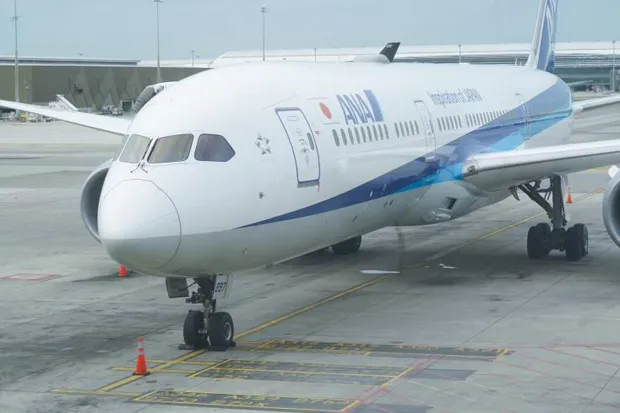
An All Nippon Airways (ANA) flight carrying 197 people onboard was forced to execute an evasive maneuver shortly before landing at Tokyo’s Haneda Airport on Tuesday, after its collision avoidance system activated. The incident, which occurred as Flight NH968 approached the busy airport, prompted an immediate climb by the pilot to steer clear of another aircraft in the vicinity. Fortunately, no injuries were reported among the passengers and crew, and the aircraft was found to be in perfect working order following the event.
Incident Details and Investigation
The Japanese Ministry of Land, Infrastructure, Transport and Tourism has launched an investigation into the near-miss. Preliminary reports indicate that the other aircraft involved was an inspection plane that had recently departed from Runway D at Haneda. The ministry is working to piece together the exact sequence of events that led to the collision avoidance system’s activation and the subsequent evasive action taken by the ANA flight crew.
A spokesperson for ANA confirmed that the flight, NH968, experienced the activation of its Traffic Collision Avoidance System (TCAS). This sophisticated system is designed to alert pilots to potential conflicts with other aircraft and provide instructions to avoid a collision. In this instance, the pilot followed the system’s guidance, initiating a climb to increase separation from the other aircraft.
The precise altitude and proximity of the two aircraft at the time of the incident are key points of focus for investigators. Understanding the flight paths, communication logs, and air traffic control instructions will be crucial in determining the cause of the near-miss. Haneda Airport, being one of the world’s busiest airports, operates under strict air traffic control protocols, and any deviation or potential conflict is taken very seriously.
Safety Systems and Procedures
The TCAS, or a similar airborne collision avoidance system, is a standard safety feature on modern commercial aircraft. It operates by interrogating the transponders of other nearby aircraft. When a potential conflict is detected, it provides both visual and audible alerts to the flight crew, along with recommended maneuvers, such as climbing or descending, to ensure safe separation. The fact that the system activated and the pilot responded promptly underscores the effectiveness of these safety measures.
Airlines and aviation authorities place paramount importance on flight safety. Incidents like this, while rare, are thoroughly reviewed to identify any potential systemic issues or areas for improvement in air traffic management or pilot training. The goal is always to prevent such occurrences and maintain the highest safety standards for passengers and crew.
Background on Haneda Airport Operations
Haneda Airport (HND), officially known as Tokyo International Airport, is a major gateway to Japan and handles a significant volume of domestic and international air traffic. Its strategic location close to central Tokyo makes it a vital hub. The airport features multiple runways, including Runway D, which was reportedly involved in this incident. Managing the complex air traffic flow in and around such a busy metropolitan airport requires sophisticated air traffic control systems and highly trained personnel.
The density of air traffic, especially during peak hours, necessitates constant vigilance from both pilots and air traffic controllers. The integration of advanced technology, such as TCAS, plays a critical role in augmenting human oversight and ensuring safe operations. The investigation will likely examine the coordination between the departing inspection aircraft and the approaching ANA flight, as well as the role of air traffic control in managing their separation.
Conclusion and Next Steps
While the immediate concern for the safety of those aboard ANA Flight NH968 has been addressed, the investigation by the Ministry of Land, Infrastructure, Transport and Tourism is ongoing. The findings will be crucial in understanding the contributing factors to this near-miss incident. Aviation safety agencies worldwide will likely monitor the outcome of this investigation, as lessons learned can often lead to updated procedures or recommendations to enhance air safety globally. The incident serves as a reminder of the complex and dynamic environment of aviation and the critical importance of advanced safety systems and rigorous operational protocols.
