

A wave of unauthorized charges targeting Hong Kong consumers emerged during the highly anticipated pre-order period for the new iPhone 18 Pro series. Customers reported fraudulent transactions appearing on their credit cards shortly after attempting to secure the latest devices, prompting investigations by multiple banks and raising questions about online security protocols.
Widespread Unauthorized Transactions Emerge
The issue surfaced prominently on social media platforms, where numerous users shared their alarming experiences. One individual recounted receiving an alert on a Saturday night detailing unauthorized transactions totaling HK$33,598 (approximately 142,000 baht) from Apple on her HSBC credit card. After an unsuccessful attempt to contact Apple customer service, she managed to reach an HSBC representative to suspend her card and subsequently filed a police report.
Another user shared a similar predicament, discovering at least four unauthorized charges of HK$11,499 each on her Hang Seng credit card, all linked to Apple. It was through reading other users’ posts on Threads that she realized the extent of the problem and checked her own accounts, confirming she too had fallen victim.
These incidents were not isolated. Internet personality “Szetosifu” detailed his own frustrating experience attempting to pre-order an iPhone 18 Pro Max. Despite multiple attempts using his Hang Seng credit card, his orders were rejected by Apple after he entered his card’s security code. He received no order confirmation. However, within minutes, he received ten SMS notifications, each indicating a HK$13,299 charge on his Hang Seng card from Apple’s Hong Kong website. His attempts to contact Hang Seng’s customer service were met with long wait times, though he remained hopeful the bank would halt the transactions before he could visit a branch.
Potential Security Lapses During High Demand
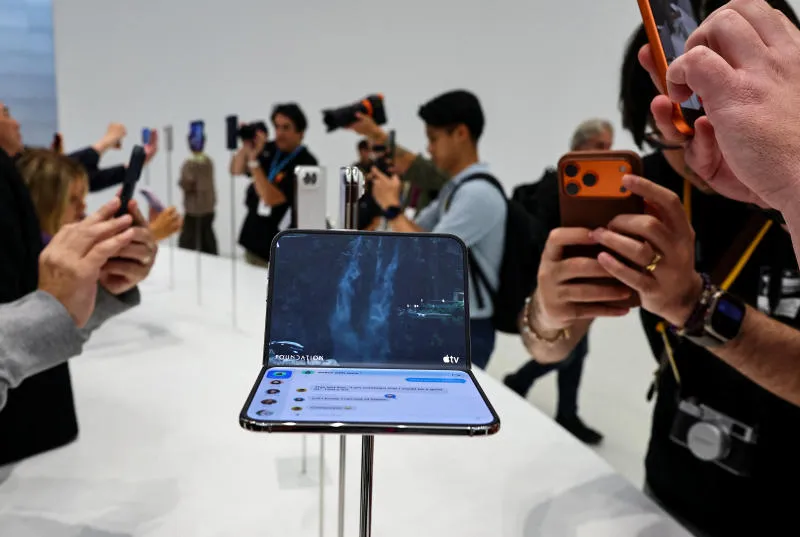
The surge in fraudulent activity coincided with the opening of pre-orders for the iPhone 18 Pro series, which launched alongside Apple’s first foldable smartphone, the iPhone Duo. Francis Fong Po-kiu, honorary president of the Hong Kong Information Technology Federation, suggested that the Apple Online Store might have relaxed certain security measures, such as the 3D Secure verification process, to manage the expected high volume of traffic during the pre-order rush. This potential oversight could have created an opening for fraudsters who may have acquired credit card details through phishing scams or illicit online marketplaces.
“Basically, Apple should take responsibility, and I believe they will. However, who will compensate? Is it Apple or the banks? I don’t know,” Fong commented, adding that there should be ample time to cancel the fraudulent transactions before the actual delivery of the new iPhones, which was scheduled for the following Friday.
Fong also noted the possibility of duplicate transactions occurring due to network congestion during the peak ordering period.
Banks Launch Investigations and Offer Reassurance
In response to the widespread reports, several major banks in Hong Kong initiated investigations and issued statements to reassure affected customers.
- HSBC stated that it would investigate the unauthorized charges and reimburse customers under its card scheme rules, provided they had used their cards responsibly and reported the incidents promptly.
- Hang Seng Bank echoed this commitment, vowing to support impacted customers and initiate refunds where applicable during their investigation.
- Standard Chartered Bank advised customers to immediately notify the bank to suspend their credit cards and report any unauthorized transactions to the police. The bank assured that it would investigate according to established procedures and pursue chargeback applications. Cardholders would not be held liable for confirmed unauthorized transactions.
- Bank of China (Hong Kong) highlighted that its credit card customers are protected by a chargeback mechanism and would not be liable for transactions verified as unauthorized.
Regulatory Oversight and Merchant Liability
A spokesperson for the Hong Kong Monetary Authority (HKMA) commented on the situation, explaining that merchants have the discretion to temporarily suspend or forgo additional authentication measures for operational reasons. However, the HKMA clarified that in such instances, the merchant would bear the liability for any resulting unauthorized transactions. The authority reiterated that cardholders are generally not liable for unauthorized transactions if they have not engaged in fraudulent or grossly negligent behavior.
The HKMA’s statement underscores a crucial point: while banks work to protect consumers, the ultimate responsibility for losses stemming from bypassed security measures during high-demand sales events may fall on the merchant. As investigations continue, consumers are advised to remain vigilant, monitor their accounts closely, and promptly report any suspicious activity to their respective banks and the authorities.
Conclusion
The incident highlights the ongoing challenges in balancing seamless online shopping experiences with robust security measures, particularly during product launches that generate immense consumer interest. While banks are committed to protecting their customers, the events surrounding the iPhone 18 Pro pre-orders serve as a stark reminder of the need for enhanced vigilance from both consumers and online retailers to prevent fraudulent activities.
