

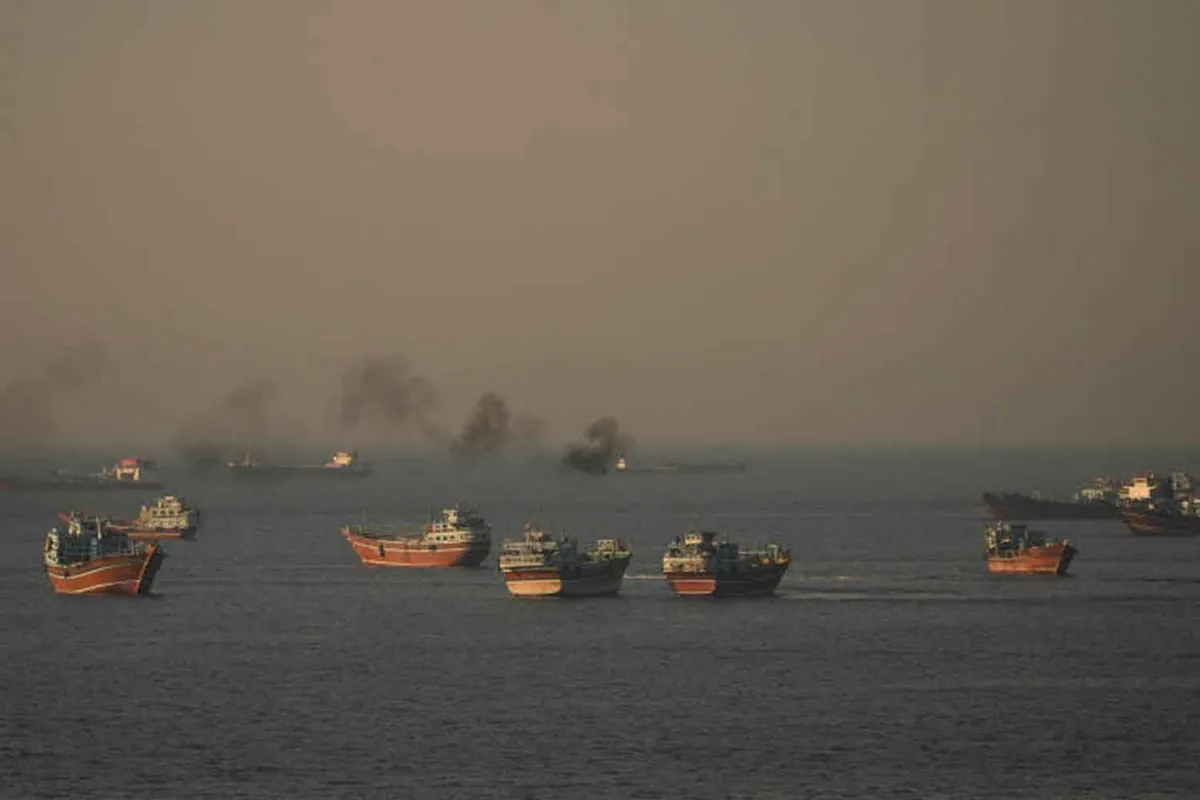
A potential truce in the Middle East is being hailed as a significant positive development, with officials suggesting it could ease global economic tensions and enhance stability.
A Welcome Breakthrough
The announcement of a deal between the United States and Iran, aimed at halting hostilities and reopening the vital Strait of Hormuz, has been met with optimism. This key waterway, crucial for global oil shipments, has experienced disruptions due to ongoing conflict, impacting energy markets and heightening geopolitical concerns.
Sources indicate the agreement, slated for signing in Switzerland this Friday, could mark a turning point after months of instability. The reported terms include a halt to military operations across the region, including in Lebanon, and a commitment to restoring commercial shipping through the Strait of Hormuz.
Economic Ramifications
The potential reopening of the Strait of Hormuz is expected to have a direct impact on global energy prices. U.S. President Donald Trump has stated the agreement will lead to its reopening, while Iranian Deputy Foreign Minister Kazem Gharibabadi has indicated it will bring an immediate end to conflict and pave the way for future settlement talks.
Deputy Prime Minister and Finance Minister Ekniti Nitithanprapas echoed these sentiments, suggesting the development could lead to lower energy prices and a reduction in risks to the global economy. He explained that surging oil prices often trigger broader economic disruptions, affecting production, transportation, and consumer costs. A decrease in energy expenses would consequently alleviate pressure on businesses and households, thereby supporting global growth, which in turn would benefit Thailand’s economic outlook.
Long-Term Energy Security
Despite the positive outlook for oil prices, the Deputy Prime Minister cautioned that Thailand must remain committed to its energy transition agenda. He highlighted the nation’s significant reliance on imported fuel and its vulnerability to future energy shocks.
“The world remains volatile. Today’s calm could be disrupted tomorrow,” he stated, emphasizing the need for continuous monitoring of inflationary pressures and their impact on the cost of living for households and small businesses.
Analysis suggests that a full return to pre-conflict energy market conditions is unlikely in the immediate future. Therefore, Thailand may continue to face elevated energy costs for the next one to two years, even with improved market sentiment. In response, the government plans to intensify its promotion of renewable energy projects, including the wider adoption of solar power, as a strategic move to bolster long-term energy security and mitigate vulnerability to future global crises.
The government’s approach relies on long-term strategies rather than reactive measures to daily international developments, demonstrating a commitment to navigating external challenges, including armed conflicts, economic disruptions, and supply-chain pressures.
