

Co-Payment Initiative Praised for Economic Benefits
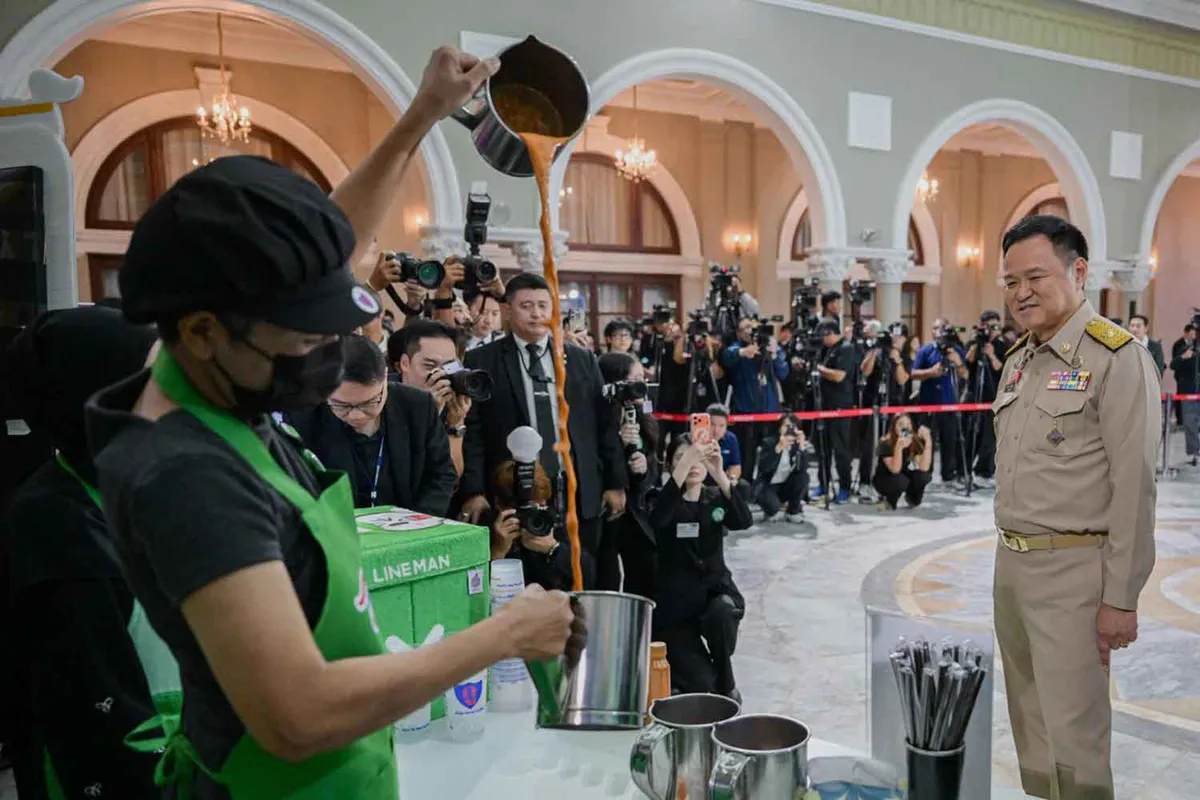
A government co-payment initiative aimed at stimulating the economy and supporting businesses has been lauded by Deputy Prime Minister Anutin Charnvirakul. Speaking at a promotional event on Monday, Mr. Anutin highlighted the program’s success in fostering a “win-win” scenario for consumers and merchants alike.
He specifically thanked private sector partners, including LINE MAN, GrabFood, and ShopeeFood, for their crucial role in expanding the scheme’s reach. The initiative, which involves a co-payment mechanism, is credited with lowering costs for shoppers while simultaneously driving increased sales for participating businesses. Beyond financial gains, entrepreneurs involved in the program are also gaining access to valuable reskilling and upskilling opportunities, alongside modern business tools and AI technology designed to enhance operational efficiency and foster growth.
Significant Sales Increases Reported
Evidence suggests a substantial positive impact on participating businesses. Available data indicates that merchants enrolled in the scheme have experienced average sales increases of up to fivefold during the program’s implementation. Some businesses have reported even more dramatic growth, with sales multiplying by nine to ten times.
Mr. Anutin emphasized that these stronger sales and expanded customer access are designed to help businesses establish a more robust income base, contributing to their long-term sustainability even after the program concludes.
Addressing Financial Concerns
Addressing public concerns regarding government borrowing to fund the initiative, Mr. Anutin clarified that all funds were raised in Thai baht, thus mitigating any exchange-rate risks. Repayments will also be conducted in baht, irrespective of the repayment timeline.
He further noted that the current borrowing cost is approximately 1.2% annually, a figure significantly lower than the initially projected maximum of 3%. Mr. Anutin refuted claims that the program places a burden on taxpayers, stating that the government assumes responsibility for debt servicing. The scheme’s design, he explained, focuses on injecting capital into the economy through co-payments rather than direct cash handouts.
Opposition Calls for Eligibility Review
Meanwhile, the opposition People’s Party has called for a review of the eligibility criteria for the co-payment program. The party argues that some tax-compliant small and medium-sized enterprise (SME) restaurants have been inadvertently excluded due to the current rules.
The People’s Party has proposed broadening participation to include more properly registered small businesses. They also suggested utilizing the remaining 16 billion baht budget to further support operators and incentivize their entry into the formal tax system.
