

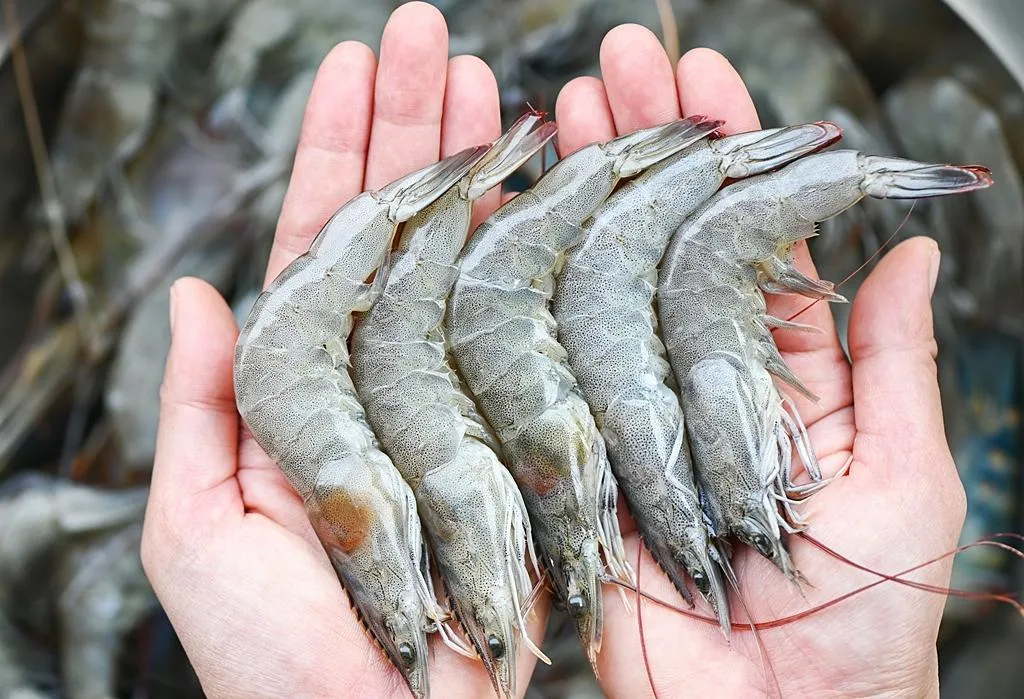
Industry Groups Launch Initiative to Stabilize Shrimp Prices
Key agricultural and food industry groups are actively working to address a significant downturn in shrimp prices following Malaysia’s recent import suspension. The initiative, spearheaded by the Agricultural and Food Coordination and Public Relations Centre (AFC), aims to ensure price stability, streamline product distribution, and maintain market confidence both domestically and internationally.
Impact of Malaysian Suspension Felt Across Supply Chain
The suspension of Thai shrimp imports by Malaysia, a major export market, has had a direct and considerable impact on local shrimp farmers. Poj Aramwattananont, chairman of the chamber, highlighted that the situation extends to numerous related industries, including hatcheries, feed manufacturers, aggregators, cold storage operators, processing plants, and exporters. He noted that the ripple effect could disrupt the entire supply chain.
Before the suspension took effect on June 1, Thailand was exporting approximately 100 tonnes of shrimp to Malaysia daily, equating to about 3,000 tonnes per month. Ekapoj Yodpinit, president of the Thai Shrimp Association, confirmed these figures, emphasizing the economic significance of this trade route.
Domestic Market Measures and Price Fluctuations
Following Malaysia’s decision, domestic shrimp prices saw a sharp decline, falling by 50 to 60 baht per kilogramme. To counteract these losses, the chamber and its partners are implementing a program to purchase more than 100 tonnes of shrimp daily from farmers under an “antibiotic testing before shrimp auction” initiative. This program is expected to help stabilize domestic prices and prevent further erosion.
Additionally, measures from the Ministry of Commerce to redistribute shrimp from southern regions to other parts of the country have also aided in mitigating the impact of the import ban, according to Mr. Ekapoj.
Concerns Over Future Production and Global Demand
Looking ahead, shrimp supply is anticipated to decrease by the end of the current month due to the late shrimping season. Meanwhile, reports a Malaysian source indicate that Kuala Lumpur is keen to expedite negotiations regarding the suspension. The ban has reportedly affected Malaysia, particularly restaurants that depend on Thai shrimp, leading to increased prices in their market.
Mr. Ekapoj also voiced concerns about persistent challenges within the shrimp industry, including disease outbreaks and reduced orders from key export destinations such as the United States, Japan, and China. These combined pressures are causing farmers to reconsider their future operations. Many are contemplating whether to continue shrimp farming in the upcoming cycle, reduce the number of new shrimp introduced to their farms, or temporarily halt operations altogether.
Typically, shrimp farmers commence their next farming cycle in June or July, with shrimp taking approximately 90 to 140 days to reach market readiness. Earlier in the year, the Thai Shrimp Association projected exports exceeding 250,000 tonnes for the year, assuming production surpassed 400,000 tonnes. However, with the current outlook and ongoing uncertainties, the achievability of this target remains in question, with projections likely to be reassessed next month.
