

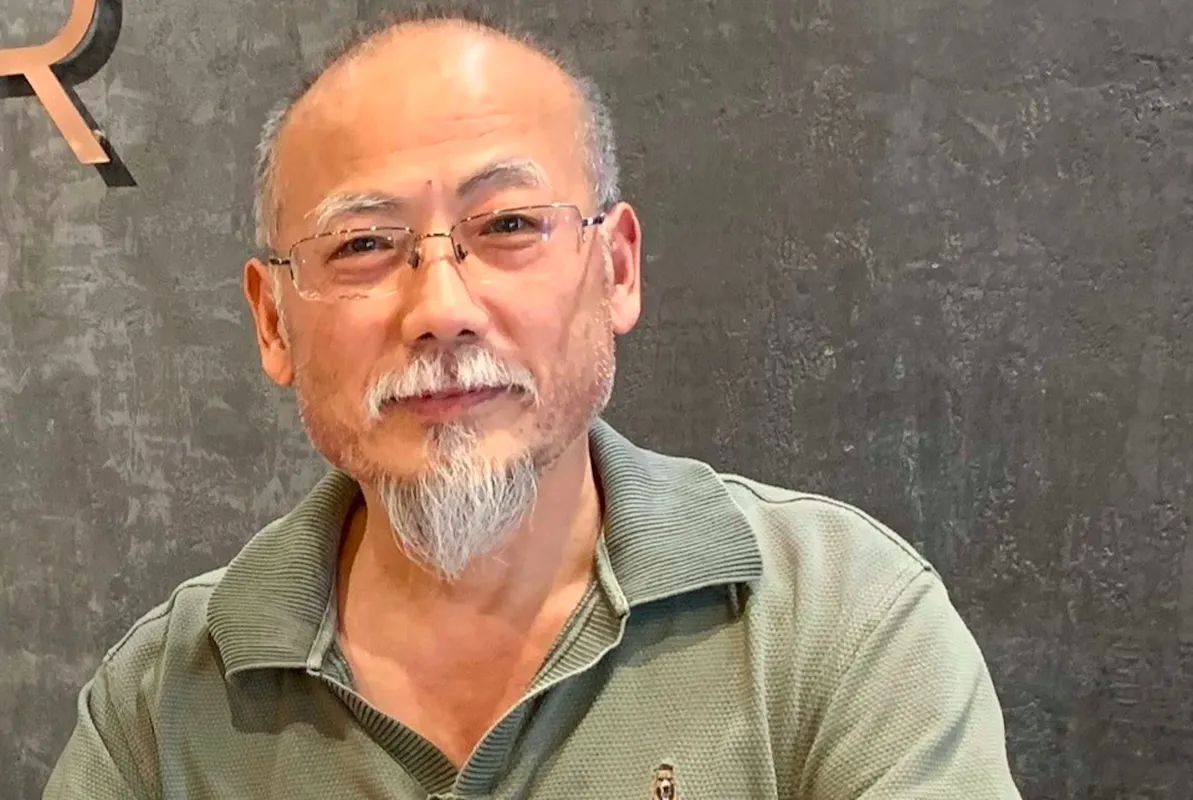
A prominent Chinese dissident, Dong Guangping, has finally arrived in Toronto, Canada, after an arduous 11-year quest for freedom. His arrival on a Friday evening marked the culmination of a journey fraught with peril and legal battles, offering him a sense of relief and homecoming.
A Long Road to Freedom
Dong, a 68-year-old former police officer, has been a vocal advocate for political reform and human rights in China, a stance that has led to his repeated detention and imprisonment by Beijing authorities. His persistent efforts to leave China and seek asylum in democratic nations finally bore fruit after years of attempts.
The Perilous Sea Voyage
Dong recounted his most recent escape attempt, which began in May. He embarked on a perilous journey across the Yellow Sea from Weihai, China, in a small, 3.3-meter rubber boat powered by a modest 9.9-horsepower engine. His initial intention was to reach Japan, but adverse conditions made navigation impossible.
“The sea and sky are just a vast expanse of white, and you can’t tell which way is which,” Dong described the disorienting experience. With his mobile phone battery depleted and the boat’s engine faltering, he was forced to alter his course towards South Korea.
Luck intervened when a South Korean fisherman discovered him adrift and brought him ashore. This rescue marked a critical juncture in his journey, shifting his fate from the unpredictable open sea to the realm of international legal procedures.
Navigating Legal Systems
The turning point, Dong explained, occurred not at sea but within a South Korean coast guard station. He was granted access to legal counsel, a crucial step that instilled hope for a lawful resolution. “I knew then they would send me to Canada, because they were proceeding according to legal procedures,” he stated, drawing a stark contrast with his experiences in China, Thailand, and Vietnam, where he had previously been apprehended.
He emphasized the significance of seeking refuge in a country governed by the rule of law. “As long as it is a democratic country run by the rule of law, they would not send me back to China,” Dong asserted. Although South Korean Coast Guard officials initially sought an arrest warrant for him, a judge ultimately denied the request. This legal reprieve allowed him to depart South Korea and continue his journey toward Canada.
A History of Dissent and Persecution
Dong Guangping’s activism dates back to the aftermath of the 1989 Tiananmen Square crackdown. According to advocacy groups, he was dismissed from his police force position after signing a petition calling for political reform a decade after the crackdown. His activism continued to draw the attention of Chinese authorities.
In 2001, he was sentenced to three years in prison for “inciting subversion of state power,” as reported by United Nations experts. He faced further detention in 2014 due to activities related to the Tiananmen Square anniversary.
Past Attempts and Deportations
Following his detention in 2014, Dong fled to Thailand with his family. While his family eventually found resettlement in Canada as refugees, Dong’s own path was more complicated. In 2015, Thai authorities deported him to China, despite his recognized refugee status granted by the United Nations.
His determination to reach a free country persisted. In 2019, he made an attempt to swim to the Taiwanese island of Kinmen. A year later, in 2020, while on a trip to Vietnam, he was detained by local police and subsequently returned to China, adding another chapter to his long and difficult struggle for asylum.
Arrival in Canada
Dong’s arrival in Toronto signifies the end of his prolonged and challenging journey. After years of advocacy, imprisonment, and daring escapes, he has found refuge in a country that upholds the principles of human rights and the rule of law. His statement, “Sitting here now, it feels like I’ve come home,” encapsulates the profound sense of relief and security he has finally attained.
His story highlights the lengths to which individuals will go to escape political persecution and seek a life free from oppression. Dong Guangping’s successful resettlement in Canada offers a beacon of hope for others facing similar circumstances, underscoring the importance of international legal frameworks and humanitarian protections for refugees and dissidents.
