

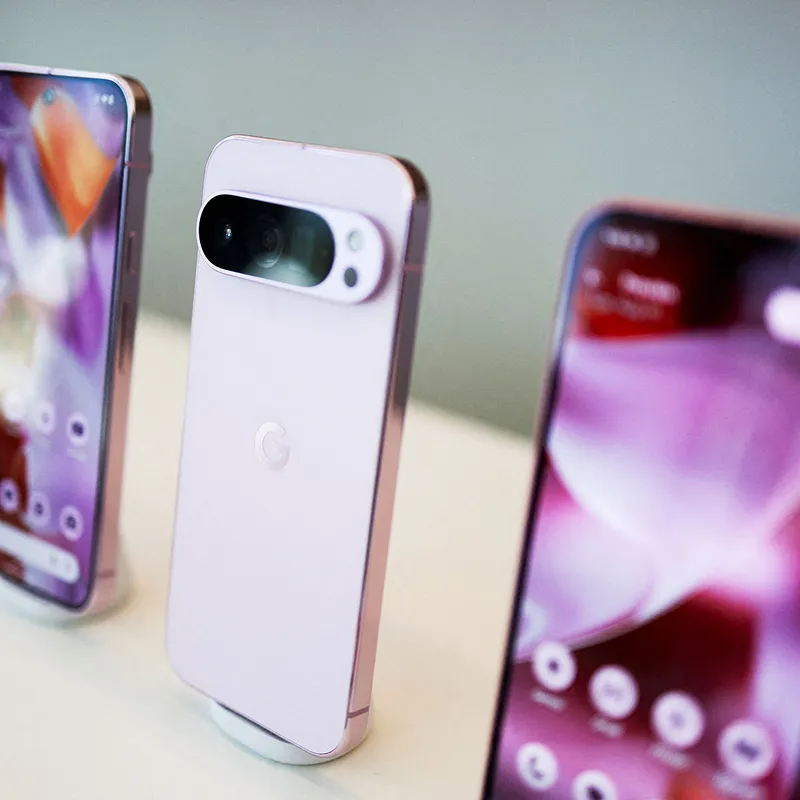
Despite widespread international acclaim for its advanced camera systems, streamlined software, and innovative artificial intelligence (AI) capabilities, Google’s Pixel smartphones remain conspicuously absent from official sales channels in Thailand. This situation leaves many Thai consumers questioning why the tech giant makes its flagship devices available in neighboring countries like Singapore and Malaysia, as well as in markets such as Japan and Taiwan, but not in the bustling Thai capital of Bangkok.
The Pixel’s Global Reach vs. Thai Exclusion
The latest Pixel 9, Pixel 9a, and Pixel 10 models are not listed on Google’s official store for Thailand. This means consumers cannot purchase them directly through local channels, experience official launch events, or rely on readily available local service centers for support. This exclusion becomes even more perplexing considering Google’s recent broad expansion of the Pixel 10 series to 33 countries, including Mexico and several other Asian nations. Thailand, a significant market with a strong consumer appetite for new mobile technology, was notably left out of this expanded rollout.
Navigating the Grey Market: A Familiar Thai Routine
The absence of official sales forces many interested Thai buyers into a well-established routine. Some opt to order Pixel phones from overseas, while others rely on friends or family traveling from countries where the phones are officially sold. A segment of the market also turns to unauthorized “grey market” retailers, often accepting the inherent risks associated with warranties and after-sales service. This workaround involves a combination of personal shopping, logistical arrangements, and leveraging personal networks, highlighting the lengths consumers will go to acquire the desired device.
Market Dynamics and Potential Barriers
Several factors likely contribute to Google’s decision to bypass the official Thai market. Contrary to what might be assumed, a lack of demand is improbable. Thailand boasts a highly competitive and dynamic smartphone market, with major players like Samsung, Oppo, Xiaomi, Apple, and Vivo already firmly established and vying for consumer attention. For Google to enter this arena officially would mean competing in a saturated environment where established brands have significant market share and brand loyalty.
Pricing Considerations
Another significant factor could be pricing. Pixel phones typically occupy the premium or upper-midrange segments of the market. While Thailand has a growing segment of consumers seeking high-end features, a substantial portion of the market remains highly price-sensitive. Even consumers interested in flagship specifications often engage in extensive price comparisons across e-commerce platforms like Shopee and Lazada, scrutinize trade-in offers, and evaluate monthly installment plans before making a purchase decision. The premium pricing of Pixel devices might present a barrier in this price-conscious environment.
The Importance of Local Support Infrastructure
Beyond market competition and pricing, the operational complexities of launching and supporting a smartphone brand locally cannot be understated. A successful market entry requires substantial investment in establishing robust local retail partnerships, comprehensive after-sales service networks, and clear warranty policies. Phones require ongoing maintenance, software updates, and efficient distribution. Without this essential infrastructure, a device like the Pixel risks becoming a sophisticated piece of technology with limited recourse for consumers should it encounter issues, such as accidental damage.
Google’s Strategic Market Selection
The global expansion of the Pixel line suggests Google remains committed to its smartphone ambitions. However, the company appears to be exercising careful consideration in selecting its target markets. While Thailand has not been excluded from the broader Android ecosystem, its absence from official Pixel sales channels indicates a specific, strategic omission by Google. For expatriates residing in Thailand who wish to acquire a Pixel device, the advice remains consistent: thorough research into network compatibility, warranty terms, and repair options is crucial before proceeding with an unofficial purchase. This diligence is necessary because the device, despite its advanced features, will not offer local language support for navigating potential service issues or unexpected repair costs.
The Growing Case for a Thai Launch
As Google continues to broaden the Pixel’s global footprint, particularly within Asia, the question of when Thailand will be officially included becomes increasingly pertinent. Bangkok remains one of the most mobile-centric cities in the region, demonstrating a strong consumer interest in cutting-edge mobile technology. The potential risks associated with an official launch may gradually be outweighed by the opportunities presented by this engaged market. Consequently, an official presence for Google’s Pixel phones in Thailand may transition from a question of ‘if’ to one of ‘when,’ potentially becoming less of a risk and more of an overdue strategic move for the technology giant.
