

A proposed railway line connecting Thailand’s eastern and western coasts is being highlighted as a critical component for the nation’s ambitious Land Bridge project. This initiative aims to position Thailand as a major logistics hub, offering an alternative to the vital Malacca Strait shipping route. The project’s success hinges on bridging the gap between existing southern rail networks and developing new deep-sea ports on both the Gulf of Thailand and the Andaman Sea coasts.
The ‘Missing Link’ Railway Explained
The focus of current discussions is an estimated 80-90 kilometer dual-track railway that would link Chumphon province on the Gulf of Thailand with Ranong province on the Andaman Sea. This railway, dubbed the ‘missing link,’ is designed to create a direct land connection between the country’s two major coastlines. Southern railroads currently primarily serve provinces along the Gulf of Thailand, and this new line would extend that reach, facilitating seamless cargo transfer between the two seas.
Industry leaders, represented by the Federation of Thai Industries (FTI), view this railway as essential for unlocking the full potential of the broader Land Bridge concept. The FTI has already submitted its study on the project and is awaiting government-led discussions to advance the plans. According to FTI chairwoman Pimjai Leeissaranukul, the Land Bridge, with the railway as a key element, represents a new geopolitical gateway for Thailand, significantly enhancing its role in global trade routes.
Economic Advantages and Logistics Transformation
The integration of a dual-track railway alongside a proposed motorway is expected to dramatically cut down transit times for cargo. Current shipping routes heavily rely on the Malacca Strait, a critical but often congested chokepoint. Industry estimates suggest that using the Land Bridge and its associated infrastructure, including the Chumphon-Ranong railway, could save shippers between two to five days per journey compared to existing routes.
This reduction in transit time is seen as a game-changer for Thai manufacturing and logistics sectors. It promises to enhance long-term economic growth by making Thailand a more attractive and efficient transit point for goods. Furthermore, the development of this alternative transport corridor provides crucial strategic redundancy. In the event of disruptions in the Malacca Strait, whether due to geopolitical events, accidents, or natural disasters, the Land Bridge would offer a vital alternative pathway for international trade, ensuring greater supply chain resilience.
Addressing Environmental Concerns
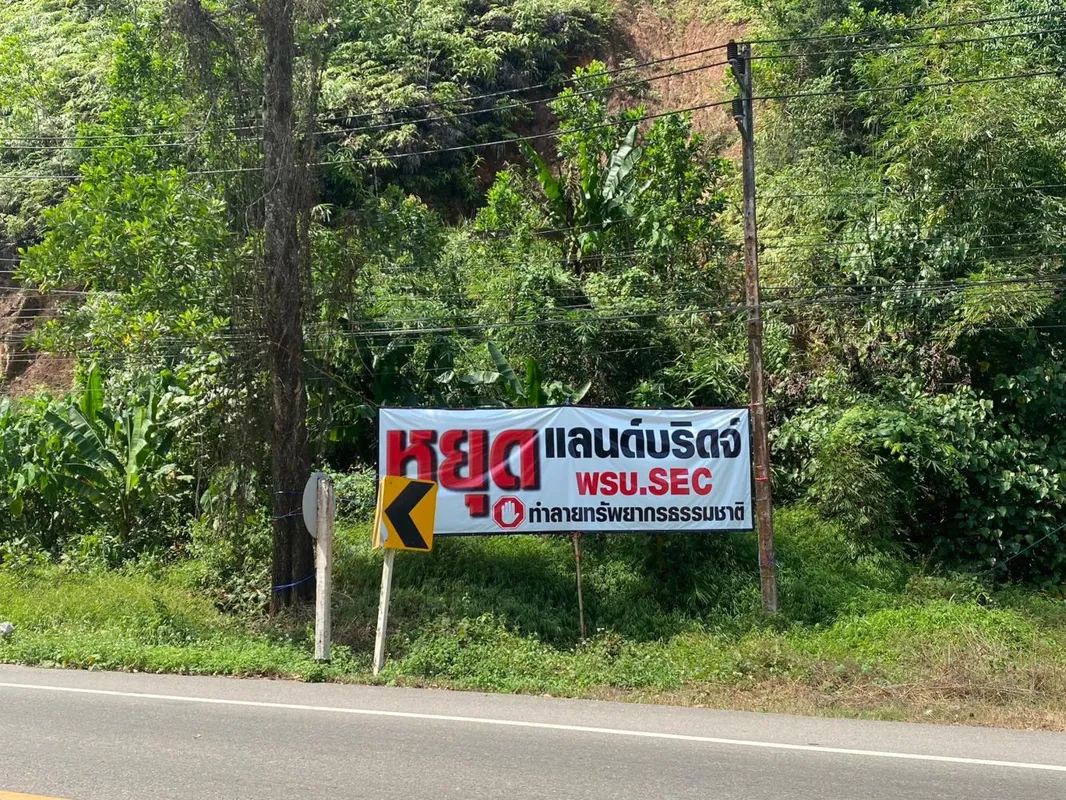
Despite the significant economic potential, the ambitious Land Bridge project, including the ‘missing link’ railway, faces considerable environmental challenges. Scientists and environmental groups have raised concerns about the potential impact on biodiversity in the areas designated for construction. The development of deep-sea ports, highways, and the railway line could lead to habitat fragmentation and loss, affecting local ecosystems.
Acknowledging these risks, government officials and industry representatives emphasize that environmental impact assessments are a crucial part of the ongoing review process. Mrs. Leeissaranukul stated that while the project offers substantial economic benefits, the ecological impacts must be carefully considered and mitigated. The government is reportedly reviewing both the economic viability and the environmental consequences to ensure a balanced approach to development.
A Strategic Partnership for Development
The FTI, as a significant member of the Joint Public-Private Consultative Committee, is actively seeking to contribute to policy discussions surrounding the Land Bridge and its associated infrastructure. This collaborative approach between the public and private sectors is seen as vital for navigating the complexities of such a large-scale project.
The proposed Chumphon-Ranong railway and the broader Land Bridge project represent a pivotal moment for Thailand’s development strategy. They embody the nation’s aspirations to become a leading logistics and trade hub while simultaneously underscoring the necessity of responsible environmental stewardship. The project symbolizes both immense opportunity for economic advancement and the need for careful consideration of its ecological footprint, as Thailand charts its course for future growth and global integration.
