

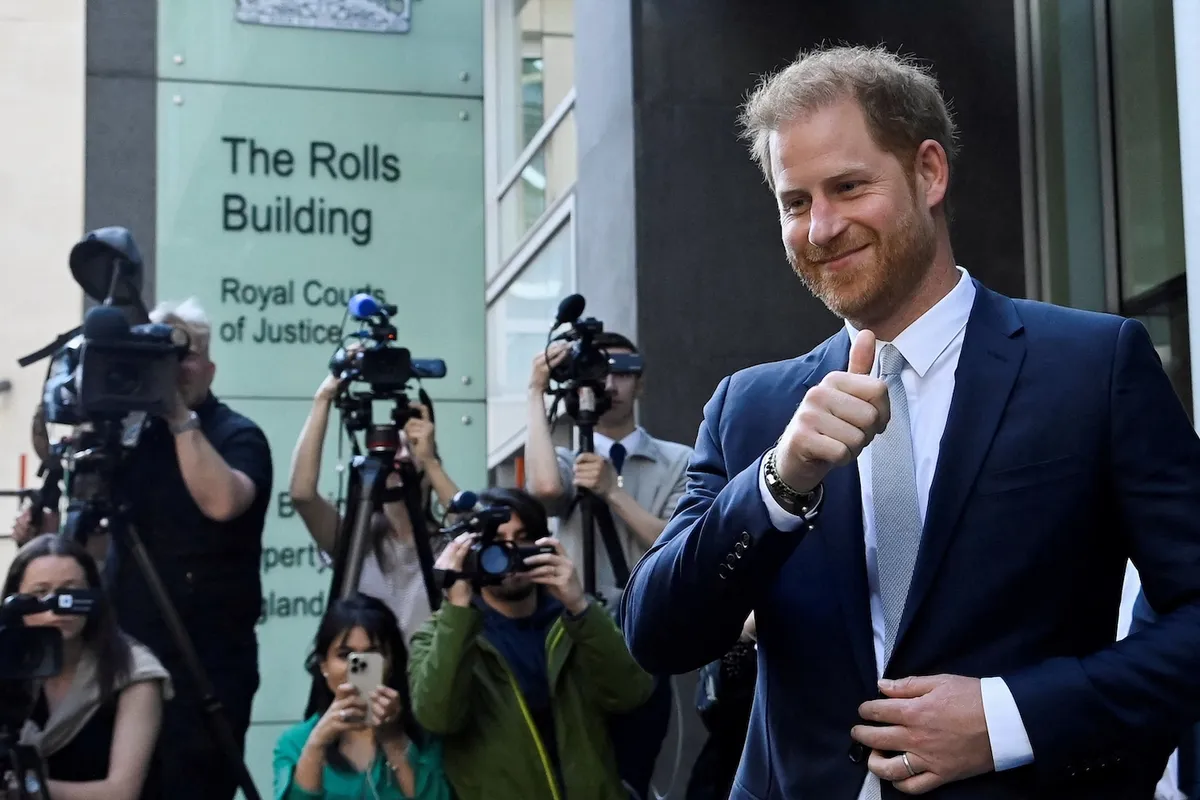
A significant legal ruling is anticipated on July 7 concerning Prince Harry’s High Court lawsuit against Associated Newspapers, the publisher of the Daily Mail and the Mail on Sunday. The case, which concluded a 10-week trial in January, centers on allegations that numerous articles published between the 1990s and 2011 were based on unlawfully obtained information. Prince Harry and other high-profile claimants allege that journalists, working with private investigators, engaged in practices such as phone hacking, landline tapping, and deceptive information gathering, often referred to as “blagging,” to obtain private details, including medical records.
Key Claimants and Allegations
The lawsuit includes several prominent figures alongside the Duke of Sussex. Among the claimants are music icon Elton John and his husband David Furnish, actors Liz Hurley and Sadie Frost, campaigner Doreen Lawrence, and former British lawmaker Simon Hughes. These individuals have collectively detailed a pattern of alleged intrusive journalistic practices aimed at acquiring sensitive personal information for news stories.
The core of their legal argument is that Associated Newspapers employed methods to gather information that violated privacy and data protection laws. This allegedly included unauthorized access to private communications and personal data, painting a picture of extensive and systematic breaches of privacy by the media organization over several decades.
Publisher’s Defense and Admissions
During the trial, representatives for Associated Newspapers acknowledged that some minor breaches of data protection laws may have occurred. These admissions reportedly included the acquisition of non-public phone numbers. However, the publisher asserted that the use of private investigators for such purposes was banned from 2007 onwards. This defense suggests a distinction between past practices and current editorial standards, while conceding that some unlawful activities might have taken place.
The publisher has contested the scale and nature of the alleged wrongdoing, arguing that the claimants’ case overstates the extent of unlawful information gathering and its direct link to the published stories. The defense has emphasized that their journalistic activities were largely lawful and that any instances of unlawful conduct were isolated and have since been addressed.
High Stakes for All Parties
The financial implications of this case are substantial. Legal teams estimate that the total costs incurred by both sides will amount to tens of millions of pounds. The judgment by Mr. Justice Matthew Nicklin will likely determine which party bears the majority of these expenses. Should the claimants prevail, they could also be awarded significant financial damages, reflecting the harm caused by the alleged privacy violations.
Beyond the financial aspect, the ruling carries considerable reputational weight. For Prince Harry and the other claimants, a victory could validate their claims of extensive media intrusion and potentially lead to greater accountability for journalistic misconduct. Conversely, a loss could undermine their arguments and impact their public standing.
For Associated Newspapers, a defeat could result in substantial financial penalties and damage to the reputation of its widely read publications, The Daily Mail and The Mail on Sunday. The judgment could also set precedents for future cases involving media privacy and the methods used by journalists. The scrutiny extends to senior editors and journalists employed by the company, whose professional conduct has been called into question.
The Legal Framework and Potential Precedents
The legal battle hinges on whether Associated Newspapers engaged in unlawful acts to gather information for its publications. The claimants are seeking declarations that the publisher was involved in phone hacking and other intrusive methods. The case is seen as a crucial test of media accountability and the protection of individuals’ privacy rights in the digital age.
The outcome could influence how media organizations operate and how rigorously they are held to account for their information-gathering practices. It also highlights the ongoing tension between the public’s right to know and an individual’s right to privacy, a balance that courts frequently grapple with.
Conclusion: Awaiting the Verdict
With the ruling set for July 7, all eyes are on the High Court as it prepares to deliver its judgment. The decision will have far-reaching consequences, impacting not only the individuals involved but also the broader landscape of media ethics and privacy law in the United Kingdom. The case underscores the critical importance of lawful and ethical journalism and the legal recourse available when these standards are allegedly breached.
