

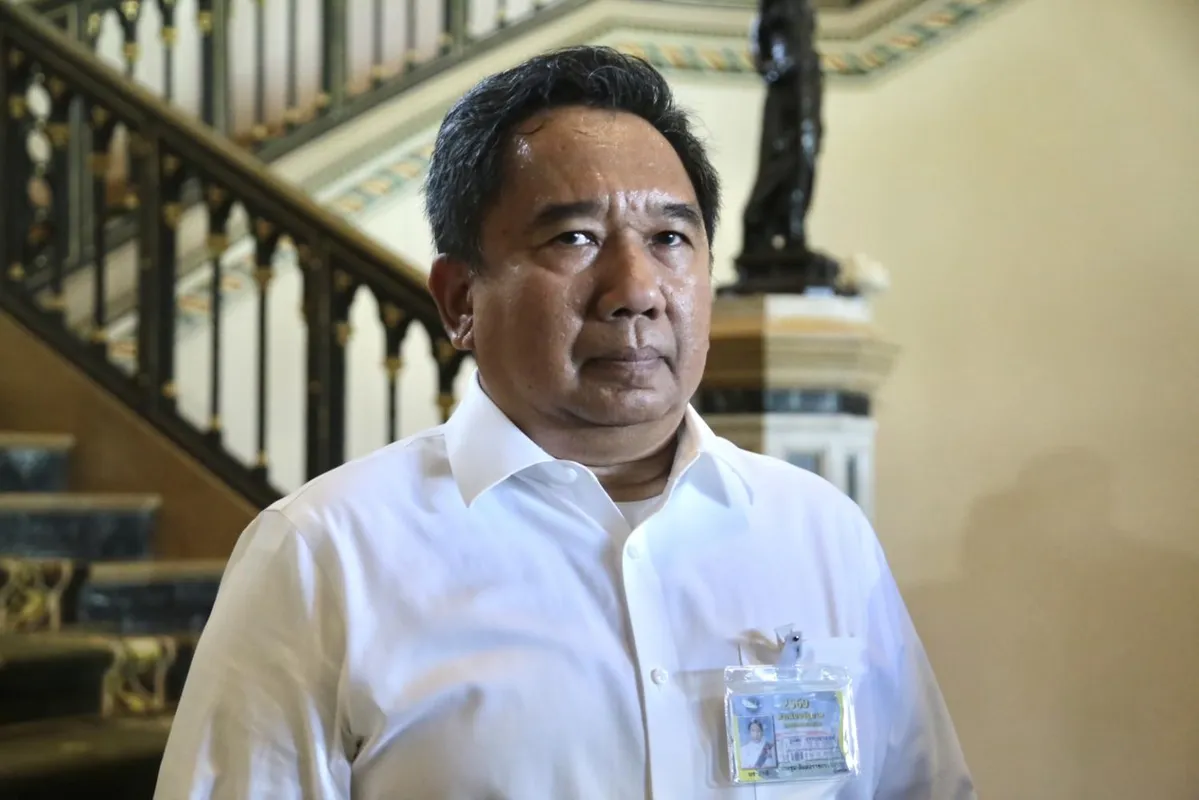
A significant shift in approach is underway for the peace talks aimed at resolving the long-standing conflict in Thailand’s southern border provinces. The government’s chief negotiator, Thanut Suvarnananda, is spearheading an initiative to directly involve local residents, particularly young people, in dialogue with representatives of the Barisan Revolusi Nasional (BRN), the primary insurgent group involved in the process. This new strategy emphasizes that those most impacted by the conflict should have a more prominent voice in shaping its resolution, as community consultations consistently highlight safety and security as paramount concerns over political demands.
A Fresh Mandate for Negotiation
Thanut Suvarnananda, who also serves as the director of the National Intelligence Agency, brings a distinct mandate to his role as chief negotiator. Unlike his predecessors, he has been granted the autonomy to assemble his own negotiating team and design its operational framework. This increased flexibility allows him to independently determine the team’s composition and strategic direction. His overarching strategy is centered on broad engagement, encompassing civil society, law enforcement, intelligence services, and local communities.
Following initial consultations within the region, five key groups have been identified as crucial to shaping future negotiations: residents represented by non-governmental organizations (NGOs), state officials, academics and students, BRN representatives engaged in talks in Malaysia, and, if feasible, individuals currently involved in violent activities. Civil society groups already consulted include organizations dedicated to peacebuilding, youth networks, women’s associations, and various active community organizations.
Discussions with security officials, such as police, military personnel, and civil servants, aim to gather their assessments of the conflict and potential solutions. Academics specializing in security and the southern conflict have contributed valuable experience and policy recommendations. The inclusion of individuals still engaged in attacks is intended to foster a deeper understanding of their motivations, organizational structures, and connections to the BRN’s political representatives.
Prioritizing Local Needs and Development
Consultations have consistently revealed that residents prioritize personal safety and the protection of their property above all other issues. Economic concerns, including investment and employment opportunities, follow closely, as these sectors continue to be hampered by persistent violence. The southern economy, heavily reliant on a few growth engines, suffers particularly in its industrial and agricultural sectors due to daily attacks, deterring much-needed investment.
Local communities express a strong desire for the violence to cease, recognizing that stability is a prerequisite for the development of the southern border provinces. Beyond security and economic issues, residents have also raised concerns about drug abuse, school dropouts, youth challenges, and family problems, many of which are perceived as being intertwined with the prolonged unrest.
Some academics and local representatives have advocated for greater decentralization, specifically proposing that a larger portion of locally collected tax revenue and public resources remain within the region to empower communities to direct their own development initiatives. Thanut Suvarnananda clarified that such proposals should not be automatically construed as demands for separatism. Instead, he noted that residents in the southernmost provinces—Pattani, Yala, and Narathiwat—are seeking a more equitable share of the taxes generated locally. These provinces have historically ranked among the nation’s poorest, and residents desire resources to foster self-development, especially since many centrally planned projects have not adequately benefited local communities.
The Ongoing Peace Process
The recent meeting in Malaysia, the first under the current government, was characterized as an introductory session rather than formal negotiations. Typically, technical teams from both sides convene to establish the agenda for subsequent rounds of talks and identify key issues for discussion. Following this, each side presents the outcomes to their respective organizations for internal review before proceeding to formal negotiations, with Malaysia acting as the facilitator.
While the peace process has faced occasional setbacks due to changes in Thai government administrations, it has never entirely ceased. In contrast, insurgent groups have generally maintained consistent long-term strategies. The negotiation framework has also evolved; earlier efforts involved multiple groups under the MARA Patani umbrella, whereas current initiatives focus more directly on the BRN.
Addressing skepticism regarding Malaysia’s role as facilitator, Thanut Suvarnananda affirmed that the neighboring country remains the principal channel for dialogue, despite occasional changes in its own facilitators due to domestic political shifts. He also noted a decline in both the frequency and severity of violent incidents, with approximately 503 incidents recorded in the past year, a substantial decrease compared to the thousands recorded during the conflict’s peak years. The nature of attacks has also shifted, with a greater focus on armed personnel rather than civilians, a change attributed to the understanding that attacking innocent civilians undermines their standing in the peace process and internationally.
Building Trust and Reducing Violence
Traditional peace talks have often concentrated on ending violence, public consultation, and political resolutions. However, direct engagement with residents has underscored their priorities: security, livelihoods, education, and combating narcotics. Consequently, Thanut Suvarnananda has proposed facilitating direct meetings between community representatives, civil society groups, young people, and BRN representatives in Malaysia. These discussions would initially occur in separate groups to encourage open dialogue without becoming unmanageable.
Any future proposals concerning decentralization or specific forms of local administration would still need to navigate legal and parliamentary processes and should not be misconstrued as immediate policy shifts or indicators of separatist intent. Balancing security operations with human rights protection remains a significant challenge. Observations suggest that younger individuals are increasingly involved in the conflict, potentially influenced by ideology, online narratives, or perceived injustices. Therefore, reintegrating young people into the peace process and mitigating the factors that drive them towards violence is crucial.
Furthermore, misinformation and accusations branding individuals as insurgent sympathizers have imposed considerable psychological stress on local communities. Authorities are urged to establish transparent and secure communication channels where affected individuals can voice their perspectives, rather than simply dismissing rumors. The ultimate goal, as articulated by Thanut Suvarnananda, is to minimize loss of life and create pathways for dialogue with all parties involved in the conflict. Achieving lasting peace hinges on the careful cultivation of trust, attentive listening to local needs, consistent communication of progress to communities, and sustained public awareness of the ongoing efforts to resolve the conflict.
