

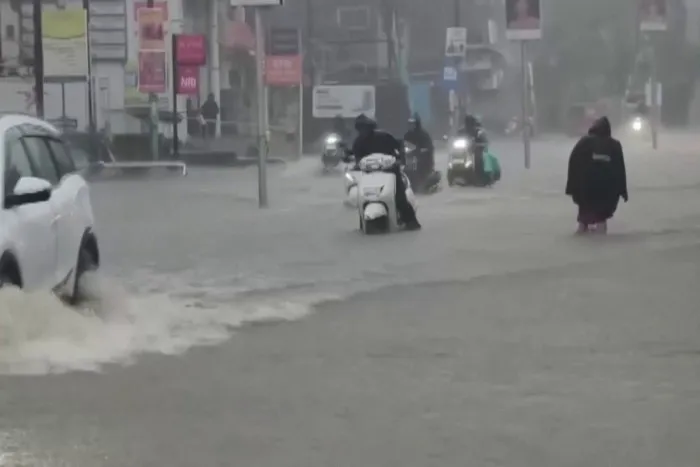
Torrential downpours have inundated significant areas of western and central India, leading to severe flooding that has submerged roads and residential properties. The relentless rainfall, which began on Friday, July 3rd, has caused widespread disruption, impacting daily life and transportation across multiple states. Authorities are responding to the escalating crisis, with emergency services working to rescue stranded residents and assess the damage.
Widespread Flooding and Disruption
The monsoon season has brought exceptionally heavy rains to regions including Maharashtra, Gujarat, and Madhya Pradesh. In urban centers like Mumbai, the financial capital, streets have transformed into rivers, making vehicle movement impossible and forcing many to abandon their cars. Water levels have risen dramatically, breaching drainage systems and entering homes, particularly in low-lying areas. This has led to a significant displacement of residents, who are seeking shelter in temporary relief camps or with relatives.
Beyond the cities, rural communities are also bearing the brunt of the deluge. Agricultural land has been submerged, threatening crops and livelihoods. Riverbanks have overflowed, inundating villages and cutting off access to essential services. The disruption to transportation networks is extensive, with numerous train services suspended and major highways rendered impassable due to waterlogging and landslides in some hilly regions.
Emergency Response and Relief Efforts
Government agencies and disaster management teams have been mobilized to address the emergency. Rescue operations are underway, with the National Disaster Response Force (NDRF) deploying teams equipped with boats and rescue gear to assist in affected areas. Efforts are focused on evacuating people from submerged homes and providing immediate relief, including food, water, and medical aid. Temporary shelters have been established to accommodate those displaced by the floods.
Local administrations are working around the clock to manage the situation. They are monitoring water levels in rivers and dams, issuing warnings to residents in vulnerable areas, and coordinating relief efforts. The meteorological department has issued further warnings, indicating that the heavy rainfall is expected to continue in some parts of the affected regions over the coming days, necessitating continued vigilance and preparedness.
Impact on Infrastructure and Economy
The extensive flooding has also taken a toll on critical infrastructure. Power outages are widespread in many inundated areas as electricity supply has been cut off as a safety measure and due to damage to power lines and substations. Road damage is significant, with culverts washed away and road surfaces eroded, requiring substantial repair work once the waters recede. The economic impact is also a growing concern, with disruptions to trade, transportation of goods, and damage to businesses and agricultural output.
The agricultural sector, a mainstay for many communities in central and western India, faces a particularly grim outlook. Submerged fields can lead to crop failure, impacting food supply and the income of farmers. The long-term economic consequences will depend on the duration and intensity of the rainfall, as well as the effectiveness of rehabilitation and reconstruction efforts.
Health Concerns and Preparedness
Public health officials are on high alert due to the increased risk of waterborne diseases following prolonged exposure to floodwaters. Measures are being taken to ensure access to clean drinking water and sanitation in relief camps and affected communities. Medical teams are being deployed to prevent and treat potential outbreaks of illnesses such as cholera and dengue fever.
Residents in flood-prone areas are being advised to remain vigilant, follow evacuation orders promptly, and stay informed about weather updates and advisories from local authorities. Preparedness is key to mitigating the impact of such natural disasters. Communities are encouraged to have emergency kits ready and to know evacuation routes. The ongoing monsoon season underscores the importance of robust disaster management strategies and infrastructure development to withstand extreme weather events.
Looking Ahead
As the rains continue, the focus remains on saving lives, providing relief to those affected, and restoring essential services. The full extent of the damage will become clearer once the floodwaters begin to recede. The resilience of the affected communities and the effectiveness of the ongoing relief and rehabilitation efforts will be crucial in the recovery process. This period of heavy rainfall serves as a stark reminder of the challenges posed by climate change and the need for proactive measures in disaster preparedness and mitigation across India.
