

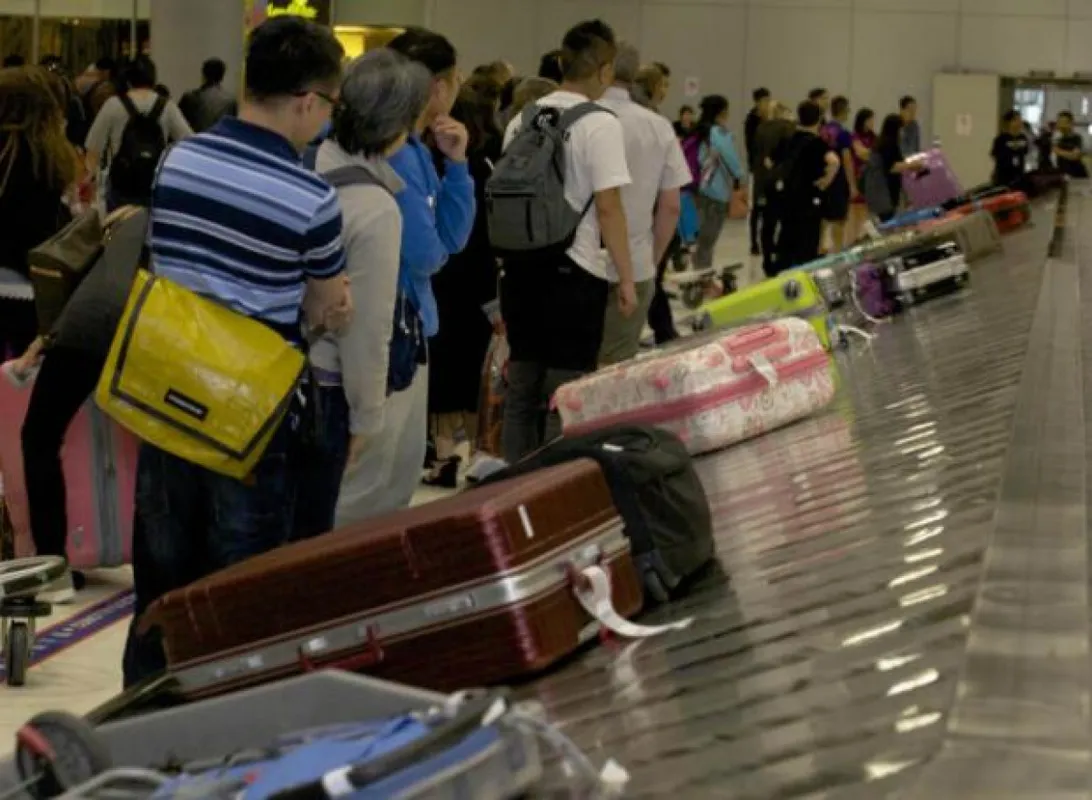
A Thai Airways flight attendant, identified only as Meena, faces serious charges after being apprehended at Melbourne Airport on June 25 with approximately 1 kilogram of heroin. The illicit substance, valued at over 11 million baht, was discovered concealed within the lining of tote bags among her luggage. The case has ignited a significant debate in Thailand regarding the flight attendant’s potential culpability versus the possibility that she was deceived into transporting the drugs.
The Flight Attendant’s Account and Official Scrutiny
Meena has reportedly informed Australian authorities that she was hired to transport 12 tote bags from an unidentified sender to an unknown recipient in Australia. While investigations into the drug trafficking chain are ongoing, considerable attention, both from authorities and the media, has been directed toward determining whether Meena knowingly transported the contraband or if she was an unwitting participant.
The Office of the Narcotics Control Board (ONCB) in Thailand has stated that it has found no evidence to suggest Meena is an active drug trafficker, lending credence to the perspective that she might be a victim of an international drug operation. However, ONCB deputy director-general Areepak Ngernbamroong pointed out that the reason for her taking the risk of carrying bags from a stranger remains unclear. She noted that most Thai flight crew members would typically refuse such requests.
Expert Opinions and Media Narratives
The case has also drawn commentary from legal professionals. Celebrity lawyer Decha Kittivittayanan expressed his belief that the flight attendant was tricked and exploited by criminals. He cited her apparent willingness to have the bags inspected as evidence that she was unaware of their illicit contents. Kittivittayanan voiced hope that she would be cleared of charges.
This sentiment has been echoed in media reports, with some Thai television stations framing the narrative around the flight attendant being an “unwitting pawn” in the drug trade. Meena herself has reportedly maintained to Australian investigators that she had no knowledge of the drugs contained within the bags she agreed to carry.
Online Services and Airline Protocols
However, the focus on Meena’s potential ignorance and the media’s inclination to portray her as a victim may overlook a crucial aspect of the case: reports indicate that Meena was advertising her “carrying services” online. Even if she was genuinely deceived about the bags’ contents, her position as a professional airline employee raises questions about her judgment in accepting liability for goods from a third party.
Suthinan Maneelorsawat, a seasoned flight attendant and founder of the Sky Coach Mam training institute for flight attendants, highlighted that most airlines have strict policies prohibiting crew members from carrying items for others, regardless of the legality of the goods. These regulations are in place as a security measure.
Standard Airline Policies for Flight Crews
- Cabin attendants are generally forbidden from accepting any items for transport from passengers or external parties.
- Flight crew members are not permitted to board aircraft with belongings other than their own personal effects.
- Holding items for others is prohibited unless the true contents are fully known and approved by the airline.
Maneelorsawat emphasized that these policies are particularly stringent for flight crews due to the privileges and access they have when navigating airports and international borders. Violations of these protocols are typically viewed as the responsibility of the crew member involved, irrespective of other circumstances.
Assessing Culpability and the Dangers of Ignorance
While Meena may claim ignorance regarding the narcotics, her actions—advertising carrying services online and accepting unknown goods—appear to contravene fundamental flight crew protocols and disregard inherent industry risks. Her admission to using her services for carrying goods, especially advertising them online, suggests a level of culpability in the criminal activity that has transpired.
The prevailing narrative that questions how heroin came to be “planted” on the flight attendant risks excusing her potential involvement. This line of reasoning could inadvertently encourage others to engage in risky behaviors, believing that a claim of ignorance might absolve them if caught. It could foster a mindset where individuals deliberately avoid knowing the details of what they are transporting, hoping to escape consequences by feigning deception.
Broader Implications for International Transport
The case also sheds light on the long-standing practice of international “carrying” services, often exploited by criminal networks to circumvent customs regulations. Rather than solely focusing on drug dealers targeting unsuspecting individuals, the lesson from this incident should be that those who facilitate illegal trade, even unknowingly, bear responsibility.
The core issue is not just about whether Meena was tricked, but about the fundamental responsibility that comes with her profession. Accepting unknown packages, especially when advertising such services online, carries significant risks and potential legal ramifications. The industry standard is clear: flight attendants must not act as couriers for third-party goods due to the security implications and the potential for exploitation by criminal elements.
Conclusion: A Call for Responsibility
Ultimately, the case of the Thai Airways flight attendant serves as a stark reminder of the responsibilities inherent in international travel and professional roles within the aviation industry. While the possibility of deception exists, the act of advertising and undertaking the transport of unknown items, particularly by airline personnel, cannot be easily dismissed. The focus should remain on upholding industry standards and ensuring accountability, rather than solely on excusing actions based on claims of ignorance, which could undermine efforts to combat transnational crime.
