

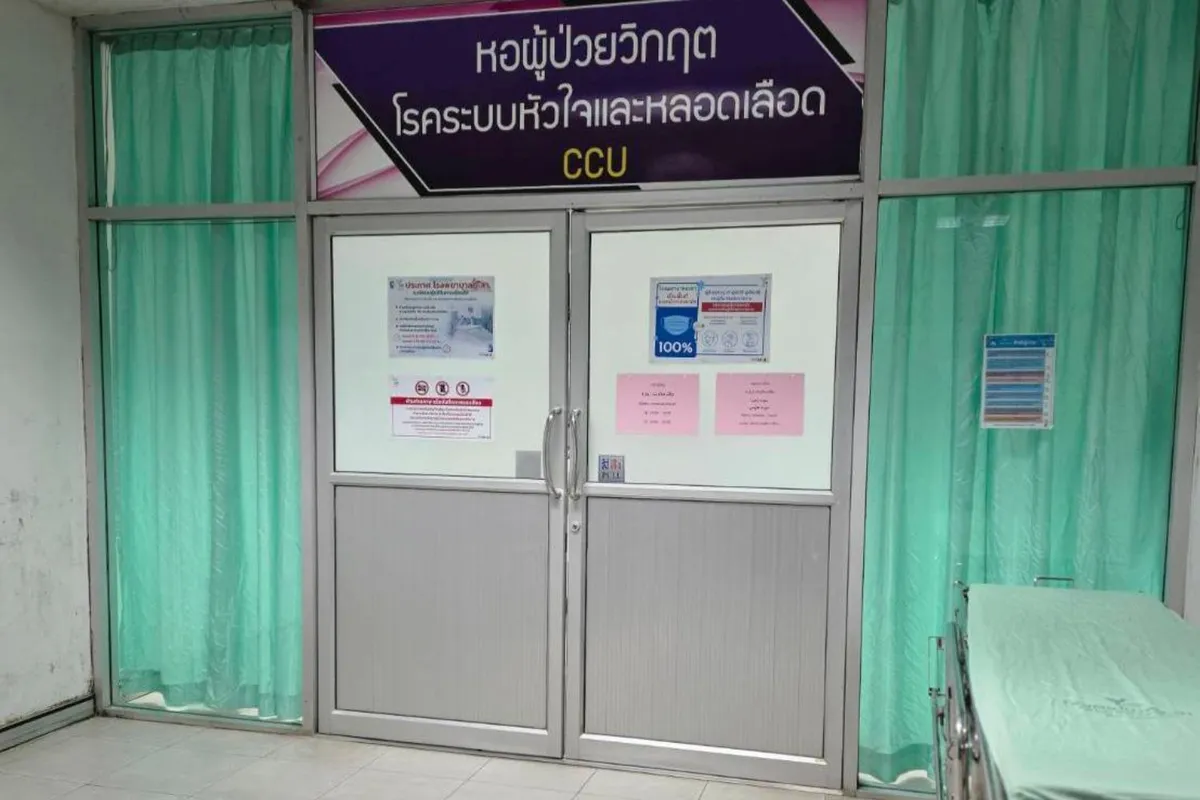
A family was reportedly forced to borrow 30,000 baht in cash just moments before a critical surgery for their mother, highlighting concerns about hospitals allegedly demanding upfront payments for emergency procedures, even for patients covered by the universal healthcare scheme. The incident, which occurred on July 4th, has prompted an investigation and raised questions about hospital financial practices.
Emergency Surgery Deposit Controversy
The patient’s daughter recounted the distressing experience, stating her mother required immediate surgery for a severe aortic condition. The procedure was scheduled for 10 a.m., but shortly before it was due to begin, hospital staff informed the family that a cash deposit of 30,000 baht was mandatory. Without this payment, the surgery could not proceed.
The family’s financial situation made this demand particularly challenging. The daughter explained that her family’s combined daily income from tapping rubber ranges from 200 to 300 baht, and they are responsible for supporting seven family members. The sudden need to secure such a large sum on short notice caused immense shock and distress.
“We were shocked and didn’t know what to do,” the daughter stated. “We managed to raise the full amount because we wanted to give her a chance to survive.” The urgency of the situation compelled them to borrow the money, underscoring the life-or-death stakes involved.
Medical Staff Reaction and Wider Concerns
Adding to the family’s confusion and distress, a doctor in the operating theatre reportedly expressed surprise upon learning that the family had been made to pay the deposit, questioning if such a payment was indeed necessary. This interaction suggested a potential disconnect or internal disagreement regarding the financial demands placed on the patient’s family.
Furthermore, the daughter reported that other relatives of patients waiting outside the intensive care unit had shared similar experiences of facing demands for upfront payments. This anecdotal evidence suggests the issue might not be isolated to this single case, pointing towards a potentially systemic problem within certain healthcare facilities.
The family intended to formally lodge a complaint with the Yala Provincial Public Health Office on July 7th to seek resolution and address the alleged financial malpractice.
Allegations of Overcharging and Financial Mismanagement
A doctor working in Yala, who requested anonymity, corroborated the family’s concerns, alleging that some hospitals are increasingly overcharging patients, even those covered by Thailand’s universal healthcare scheme, commonly known as the “gold card.” This practice, the doctor asserted, directly violates established regulations and appears to be spreading across various hospital departments.
The doctor indicated that the National Health Security Office (NHSO), the body responsible for managing the universal healthcare scheme, is aware of these reported issues. However, the problem persists, suggesting that awareness has not yet translated into effective solutions.
Reasons Behind the Alleged Overcharging
According to the anonymous doctor, several factors contribute to hospitals allegedly overcharging patients and demanding deposits:
- Miscalculation of Treatment Costs: Hospitals may be inaccurately calculating the actual costs associated with treatments, leading to inflated charges passed on to patients.
- NHSO Reimbursement Delays: Delays in reimbursements from the NHSO, particularly towards the end of the fiscal year, can create cash flow problems for state hospitals. This financial pressure might incentivize hospitals to seek upfront payments from patients to cover operational expenses.
- Application of Private Hospital Accounting: Some state hospitals are reportedly adopting accounting methods typically used by private healthcare providers. This can lead to the inclusion of charges for items like depreciation and building costs, which should already be covered by government funding and are not meant to be billed to patients under the public system.
The doctor emphasized that major procedures, such as complex brain surgery, do not inherently incur costs for state hospitals. The alleged misapplication of accounting principles appears to be a significant driver of the financial discrepancies and subsequent patient charges.
Similar Cases and Patient Distress
The anonymous doctor also cited another instance where a patient required urgent brain surgery and was subjected to additional fees, necessitating them to borrow money. This patient, like the mother in the initial case, was also planning to file a complaint with the provincial public health office. These parallel situations underscore the potential breadth of the problem and the significant distress it causes to patients and their families, who are often in vulnerable positions when facing medical emergencies.
Conclusion: Addressing Financial Barriers in Healthcare
The reported incident of demanding a 30,000-baht deposit before emergency surgery, coupled with allegations of widespread overcharging under the universal healthcare scheme, highlights a critical issue within the Thai healthcare system. While the NHSO is reportedly aware of the problem, the persistence of such demands suggests a need for more robust oversight and stricter enforcement of regulations. Ensuring that all patients, regardless of their financial background, can access necessary emergency medical care without facing prohibitive upfront costs is paramount to upholding the principles of universal healthcare. Further investigation by the Yala Provincial Public Health Office and potential systemic reforms are crucial to prevent future occurrences and restore public trust in the healthcare system.
