

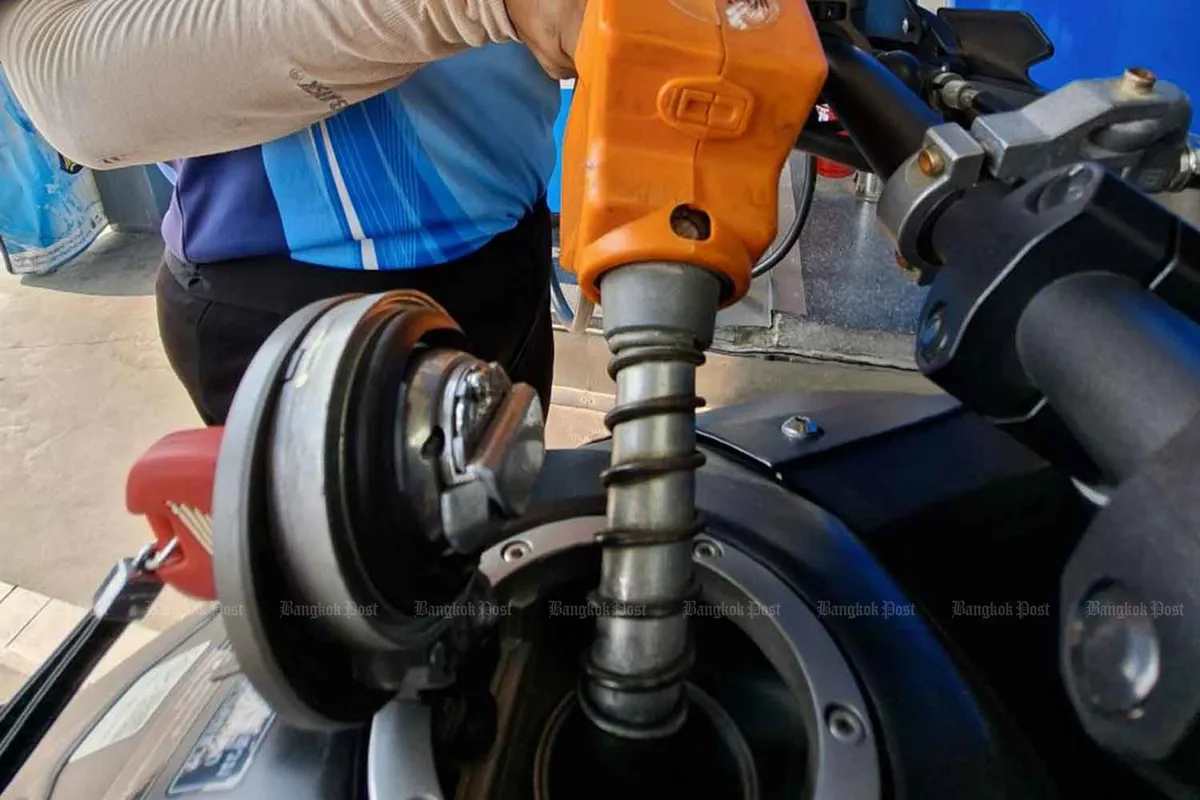
Thailand faces a critical juncture in its economic policy, with calls for urgent energy reforms intensifying as global oil prices continue their unpredictable swings. The recent rebound in oil prices, fueled by renewed geopolitical tensions between the United States and Iran, has underscored the nation’s deep-seated vulnerability to external energy market shocks. Experts emphasize that regardless of short-term price fluctuations, Thailand’s economic structure necessitates a fundamental shift away from its heavy reliance on imported oil.
Geopolitical Uncertainty Drives Oil Price Swings
The intricate relationship between international relations and energy markets was starkly illustrated by the recent surge in oil prices. Renewed conflict between the US and Iran has injected significant geopolitical uncertainty into the global landscape, directly impacting crude oil benchmarks. This volatility serves as a potent reminder of how susceptible economies are to events unfolding far beyond their borders.
Ekniti Nitithanprapas, Director-General of the Thai Bureau of Trade and Economic Policy, highlighted this precarious situation. “We live in an increasingly volatile world,” he stated. “But regardless of whether oil prices rise or fall, one fact remains unchanged: the Thai economy has structural weaknesses.” He elaborated that Thailand’s substantial dependence on imported oil renders its economy highly susceptible to the unpredictable nature of global price movements.
The prevailing sentiment among economic analysts is that any current decline in oil prices is likely to be a temporary reprieve. Consequently, there is a pressing need for Thailand to proactively reduce its dependence on foreign oil supplies. This strategic imperative is not merely about economic stability but also about safeguarding the cost of living for its citizens.
Impact on Inflation and Cost of Living
The immediate consequence of escalating oil prices is felt keenly in the inflation rate. Between January and March, Thailand experienced an acceleration in inflation as oil prices climbed. This surge reversed a prior period of contraction, directly increasing the cost of essential goods and services for Thai households and eroding purchasing power.
To mitigate these effects and build long-term resilience, Thailand is being urged to expedite its transition towards cleaner energy sources. This includes a multi-pronged approach:
- Expanding Solar Power: Accelerating the adoption of solar energy for electricity generation is a key strategy to diversify the energy mix and reduce reliance on fossil fuels.
- Increasing Biofuel Blending: Enhancing the blending ratio of palm oil in biodiesel production can support domestic agricultural sectors while providing a renewable fuel alternative.
- Boosting Ethanol Use: Raising the proportion of ethanol blended into gasoline offers another avenue to decrease dependence on imported petroleum products.
Economic Outlook and Banking Sector Perspective
Kobsak Pootrakool, a senior executive vice-president at Bangkok Bank, echoed the concerns regarding oil price volatility. He pointed out that global crude oil prices remain highly susceptible to the ongoing tensions between Iran and the US. Should diplomatic efforts de-escalate the situation and lead to an agreement, oil prices could potentially recede to pre-conflict levels, estimated between $65 and $70 per barrel.
However, Mr. Pootrakool cautioned that persistent risks remain. The continued presence of US military forces in the Middle East and ongoing military exercises signal a potential for further escalation, making the region a critical area to monitor. He also noted a key difference between the current price fluctuations and those seen during the early stages of the Russia-Ukraine war. In the present scenario, oil prices have experienced rapid surges and retreats within a shorter timeframe, contrasting with the nearly year-long period it took for prices to stabilize after Russia’s invasion.
This heightened uncertainty makes forecasting Thailand’s economic trajectory for the current year particularly challenging. Bangkok Bank has maintained its Gross Domestic Product (GDP) growth forecast at 1.5-2%, a figure slightly below the Bank of Thailand’s projection of just over 2%. The bank’s cautious stance reflects the prevailing uncertainties, and they intend to reassess their forecast as the situation evolves.
Inflation Forecast and Monetary Policy Considerations
Regarding inflation, Mr. Pootrakool indicated that Thailand’s inflation rate could potentially reach 3-4%, contingent on the duration of elevated oil prices. While inflation might temporarily surpass the central bank’s target range during periods of high oil costs, he anticipates a natural easing once global oil prices stabilize. This suggests that the current inflationary pressures may be cyclical rather than indicative of a deeper, structural issue, provided that energy prices do not remain at extreme levels indefinitely.
In terms of monetary policy, Mr. Pootrakool advocated for maintaining the policy interest rate at 1%. This stance is intended to provide continued support to the economy and help stabilize the Thai baht against the US dollar, ideally around the 33 baht level. A stable or slightly weaker baht is generally beneficial for Thailand’s export and tourism sectors, which are crucial drivers of economic growth and can help offset some of the negative impacts of global economic headwinds.
Conclusion: The Imperative for Energy Reform
The confluence of geopolitical instability, volatile oil prices, and inherent structural weaknesses in Thailand’s economy underscores the urgent need for comprehensive energy reforms. While short-term economic measures and monetary policy adjustments can offer some relief, a long-term strategy focused on reducing dependence on imported fossil fuels through the expansion of clean and renewable energy sources is paramount. Such a transition will not only enhance economic resilience but also contribute to greater energy security and environmental sustainability for Thailand.
