

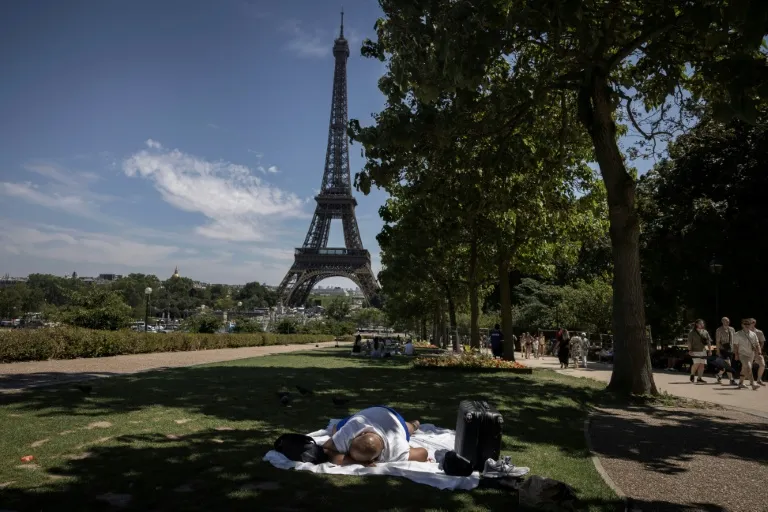
Paris is experiencing significant disruptions to its iconic landmarks and cultural institutions as extreme heat grips the region. The Eiffel Tower, a global symbol of the city, announced exceptional early closures for its weekend visitors. On Saturday and Sunday, the 324-meter iron lattice structure, typically open late into the night during peak tourist season, will shut its gates at 4 PM due to soaring temperatures. This measure aims to ensure visitor safety and well-being amidst the unprecedented heatwave.
Major Museums Implement Early Closures
The wave of early closures extends to some of the world’s most renowned museums. The Louvre, a perennial favorite attracting millions annually and holding the title of the most visited museum globally, has also adjusted its operating hours. Starting Friday and continuing through Monday, the museum will close its doors at 4 PM. Similarly, the Musée d’Orsay, housed in a former Beaux-Arts railway station and celebrated for its vast collection of Impressionist and Post-Impressionist masterpieces, will close at 5 PM from Saturday to Wednesday. These decisions underscore the severity of the heatwave and its impact on public access to cultural heritage sites.
National Heat Alert and Holiday Disruptions
The extreme weather conditions have prompted national authorities to issue high-level alerts. As of Saturday, twenty-four departments across France were placed under the highest alert level by Meteo-France, the national meteorological service. This designation affects approximately 22.2 million people. An additional 59 departments, out of 96 in mainland France, are under an orange warning, the second-highest level. This widespread heat advisory coincides with the start of a major holiday weekend, as many citizens and tourists embark on travel ahead of France’s national public holiday, Bastille Day, on July 14.
The escalating heat and dry conditions have led to widespread cancellations of Bastille Day celebrations. Numerous towns have opted to call off their planned firework displays, a traditional highlight of the national holiday, due to the heightened risk of wildfires. This precautionary measure reflects growing concerns over public safety and the strain on emergency services.
Wildfires Escalate Amid Dry Conditions
The threat of wildfires has become a significant concern across France. An official report on Friday indicated that the amount of land scorched by wildfires so far this year has doubled compared to the same period in the previous year. This alarming increase highlights the vulnerability of the country’s landscapes to the current hot and dry weather patterns.
Presidential Call for Vigilance and Climate Change Context
In response to the escalating crisis, French President Emmanuel Macron urged the public to exercise extreme caution. On Saturday, he emphasized that a vast majority of fires—approximately nine out of ten—are attributable to human activity. “A single second of inattention can put families at risk, endanger those who protect us and destroy our countryside,” Macron stated via social media, underscoring the personal responsibility each individual holds in preventing devastating fires.
France is currently enduring its third heatwave since May, with a particularly intense period in June shattering previous temperature records. The public health implications of these extreme temperatures are stark. Official figures reveal that over 2,000 excess deaths were recorded during the June heatwave, with an additional 300 fatalities linked to the high temperatures experienced in late May. These statistics serve as a grim reminder of the human cost associated with prolonged heat exposure.
Government Faces Scrutiny Over Preparedness
The government has found itself under intense scrutiny, facing criticism for what some perceive as a lack of preparedness for the increasing frequency and intensity of extreme weather events. Scientists widely attribute these climatic shifts to man-made climate change, linking the persistent heatwaves to broader global warming trends. The current situation intensifies the ongoing debate about climate adaptation strategies and the urgent need for robust public health measures to mitigate the impact of extreme heat.
Outlook for Bastille Day
The forecast from Meteo-France indicates that high temperatures are expected to persist through Bastille Day. This prolonged period of heat poses continued challenges for public health, infrastructure, and emergency services, as the nation prepares to commemorate its national holiday amidst an unprecedented climate event.
Expert Insights on Heatwaves and Public Health
Public health officials are advising residents and tourists alike to take necessary precautions. These include staying hydrated, avoiding strenuous outdoor activities during the hottest parts of the day, seeking cool environments, and checking on vulnerable individuals such as the elderly and young children. The sustained high temperatures also put a strain on energy grids due to increased demand for cooling, and can exacerbate existing respiratory and cardiovascular conditions.
Urban areas, in particular, are susceptible to the “urban heat island” effect, where concrete and asphalt absorb and retain heat, leading to significantly higher temperatures compared to surrounding rural areas. This phenomenon intensifies the risk for populations living in densely populated cities like Paris. The early closures of major attractions are a visible manifestation of how climate change is directly impacting daily life and the tourism industry.
Broader European Context
The heatwave affecting France is part of a broader pattern of extreme weather events across Europe. Neighboring countries have also reported record-breaking temperatures and faced similar challenges, including increased wildfire risks and public health advisories. This interconnectedness highlights the transboundary nature of climate change impacts and the need for coordinated international responses.
As the scientific community continues to study the long-term implications of these recurring heatwaves, the immediate focus remains on managing the current crisis, ensuring public safety, and adapting to a changing climate. The decisions made by Parisian authorities to close landmarks early serve as a potent symbol of the tangible effects of global warming on cultural heritage and everyday life.
