

The Thai government has initiated a review of its “energy transition” projects, halting the proposal process to ensure all initiatives align with the program’s core objectives. This decision follows concerns raised by the opposition regarding the potential misuse of the scheme for political or private gain.
Review of Energy Transition Initiatives
In a directive issued on July 10, the acting director-general of the Department of Local Administration (DLA), Boonprasong Nuansai, instructed provincial governors to suspend the proposal submission process for energy transition projects. This pause is intended to allow for a thorough review, ensuring that all proposed projects genuinely contribute to clean energy goals and adhere to the spirit of the emergency decree under which the program operates.
This suspension effectively revokes an earlier mandate that had set a July 17 deadline for local authorities to submit their proposals. These proposals were initially slated for provincial screening before being forwarded to the Interior Ministry for further consideration.
Opposition Raises Concerns
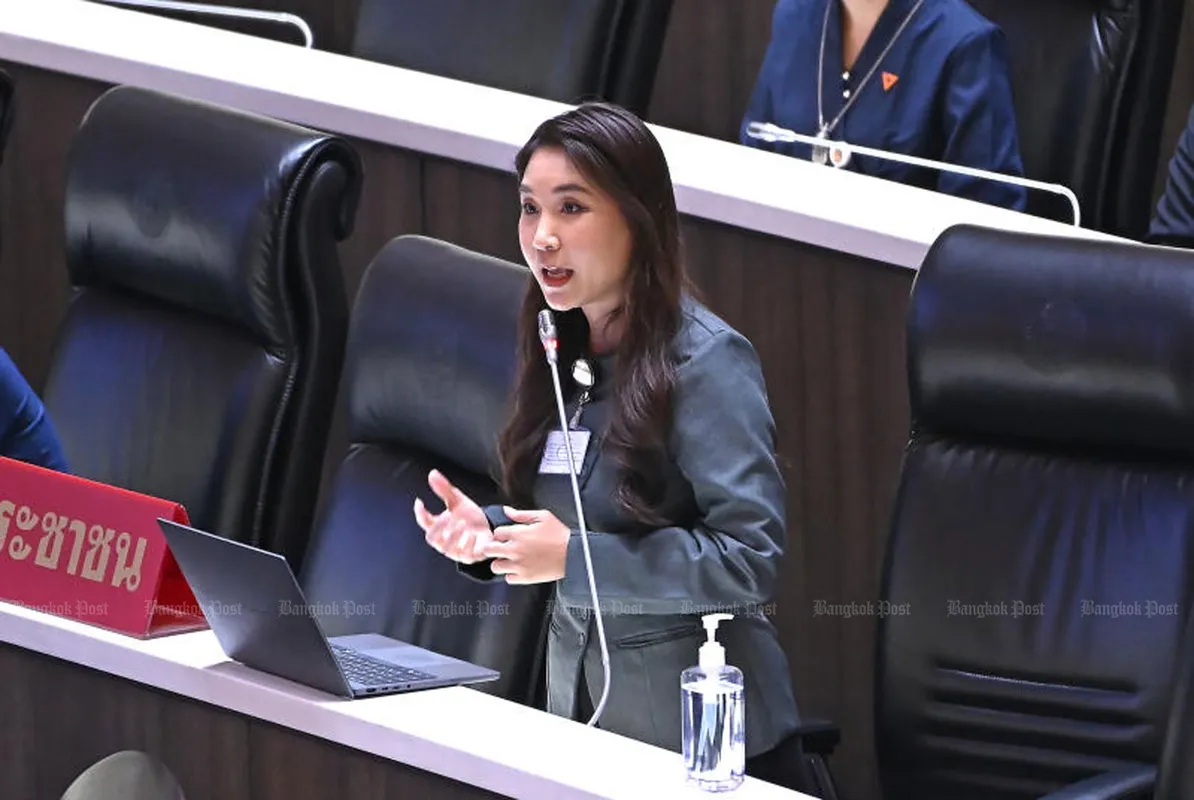
The impetus for this review stems from criticism voiced by the opposition, particularly from Sirikanya Tansakun, deputy leader of the opposition Move Forward Party. Ms. Tansakun publicly questioned whether the energy transition scheme could be exploited to introduce projects serving political interests or private contractors, masquerading as clean energy initiatives.
According to the opposition, documents circulated to local authorities appeared less like open calls for local proposals and more like a pre-selected catalogue of projects. Items mentioned in these documents included electric garbage trucks, solar-powered sports facilities, solar-powered oxygen generators, and rooftop solar installations. The level of detail in these listings fueled speculation that vendors or contractors might have already been identified, bypassing a transparent procurement process.
Specific Project Examples Under Scrutiny
- Electric garbage trucks
- Solar-powered sports grounds
- Solar-powered oxygen generators
- Rooftop solar installations
Government Rejects Allegations of Pre-determination
Prime Minister Anutin Charnvirakul has refuted the opposition’s claims, asserting that no projects under the energy transition scheme have been approved to date. He explained that the government had been awaiting the Constitutional Court’s ruling on a legal challenge to the 400-billion-baht borrowing decree associated with such initiatives. The court recently upheld the legality of the decree.
Mr. Anutin emphasized that all project proposals must undergo a rigorous screening process. This involves review by a committee chaired by the permanent secretary for the Ministry of Finance, alongside other senior officials, before any submission to the cabinet for final approval.
“There are no approved projects yet,” the Prime Minister stated, dismissing suggestions that procurement specifications, such as those for electric refuse trucks, were predetermined. He reiterated that the process is designed to be transparent and fair.
Defense of the Program’s Intent
Deputy Interior Minister Worasit Liangprasit also defended the program’s objectives. He clarified that the Interior Ministry’s instruction to the DLA was to collect and screen proposals originating from local governments. The examples provided, such as rooftop solar panels and electric ambulances, were intended to guide local authorities on the types of projects that could support cleaner energy adoption in public services, rather than dictating specific purchases.
Mr. Liangprasit assured the public that all procurement activities would strictly adhere to the Budget Bureau’s standard pricing regulations and robust screening criteria to guarantee transparency and prevent any impropriety. The aim, he stated, is to ensure that funds are used effectively for genuine energy transition efforts that benefit local communities and the environment.
Ensuring Compliance and Transparency
The government’s decision to pause and review the energy transition project proposals underscores a commitment to accountability and effective resource allocation. By halting the process, officials aim to prevent any potential misuse of public funds and ensure that the program delivers on its promise of promoting cleaner energy solutions across the country. The subsequent review is expected to establish clearer guidelines and strengthen oversight mechanisms, reinforcing public trust in the government’s environmental initiatives.
The outcome of this review will be critical in shaping the future direction of energy transition projects in Thailand, ensuring they are both impactful and transparently managed. Stakeholders will be looking for assurances that local needs drive project selection and that procurement processes remain open and competitive.
