

China is taking significant steps to rein in aggressive price wars within its booming food delivery sector. The State Administration for Market Regulation (SAMR) has proposed new draft regulations aimed at curbing “irrational” discount campaigns that have placed immense pressure on both restaurants and delivery riders. The regulator is currently seeking public feedback on the proposed rules, with a deadline of July 17.
The Problem with Price Wars
According to SAMR, the food delivery market in China has been distorted by platforms leveraging substantial financial resources to fund aggressive promotional activities. These campaigns often involve deep discounts, vouchers, and free delivery, primarily designed to rapidly expand market share. While these promotions may benefit consumers in the short term, they create a challenging environment for businesses.
Registered restaurants find themselves compelled to participate in these costly campaigns simply to remain visible and retain customers. Failing to do so often leads to a significant loss of business. However, the financial burden doesn’t end there. Once these promotions conclude, restaurants are left with severely diminished profit margins, largely due to the hefty commissions and advertising fees charged by the delivery platforms. This cycle has been described as unsustainable for many small and medium-sized food businesses.
Key Provisions of the Draft Regulations
The proposed legislation from SAMR outlines several key measures intended to foster a healthier and more competitive market:
- Prohibition of Disruptive Subsidies: Platforms will be forbidden from using long-term, large-scale financial subsidies that undermine fair market competition. This aims to prevent companies from artificially lowering prices to drive out competitors or force participation.
- No Merchant Coercion: Operators will be banned from forcing or pressuring merchants to join promotional campaigns. Furthermore, platforms cannot shift the costs associated with these campaigns onto the participating businesses.
- Fair Competition Standards: Companies are barred from using their superior capital to monopolize the market, engage in unfair competition, or price their services below cost. This targets predatory pricing strategies designed to eliminate rivals.
- Enhanced Transparency: Platforms will be required to publicly disclose relevant data both before and after promotional campaigns. This measure is intended to ensure greater transparency in pricing and promotional activities.
Shifting Focus to Quality
Beyond addressing predatory pricing and unfair practices, Beijing also intends for the platforms to shift their strategic focus. The government wants to move away from an overemphasis on “price competition” towards encouraging “quality competition.” This involves incentivizing operators to improve the visibility of high-quality restaurants and establishments that demonstrate transparency, such as those with open-kitchen concepts. The goal is to reward businesses that offer superior products and dining experiences, rather than simply the lowest prices.
Broader Impact on the Ecosystem
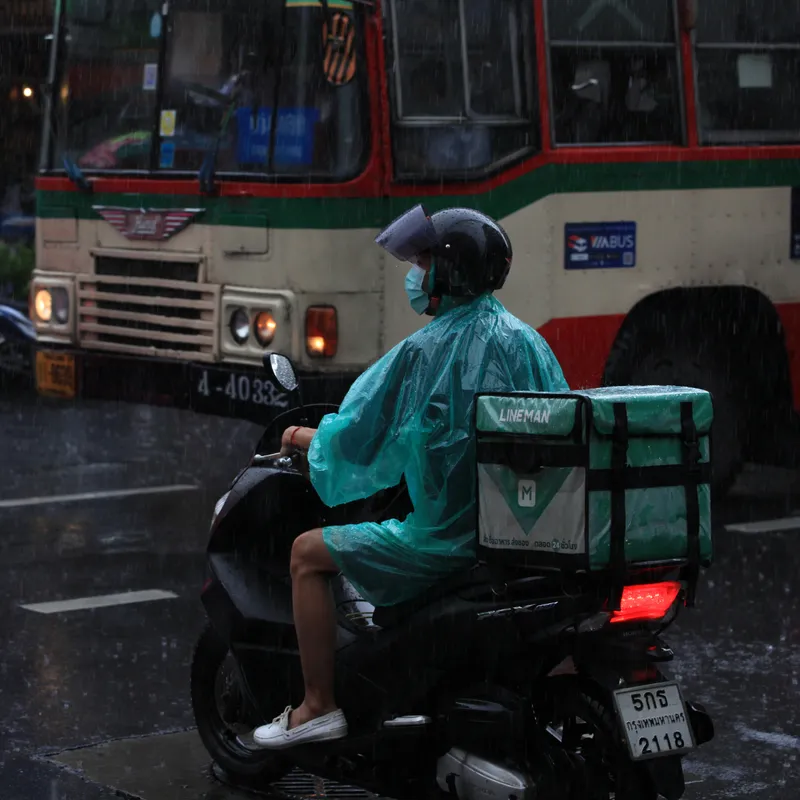
The intense price wars in China’s food delivery sector have had far-reaching negative consequences that extend beyond the financial strain on merchants. Delivery riders, who form a crucial part of the ecosystem, are also facing mounting pressure. To keep up with the surge in orders driven by promotional campaigns, riders often find themselves working longer hours, potentially impacting their well-being and safety. The proposed regulations aim to create a more balanced environment for all stakeholders involved in the food delivery chain.
Looking Ahead
The introduction of these draft regulations signals a clear intent by Chinese authorities to regulate the digital economy more effectively, particularly in sectors characterized by intense competition and rapid growth. By addressing the issues of predatory pricing and unfair market practices, SAMR seeks to foster a more sustainable and equitable environment for restaurants, delivery platforms, and riders alike. The public feedback period will be critical in shaping the final rules, which could significantly alter the competitive landscape of China’s vast food delivery market.
