

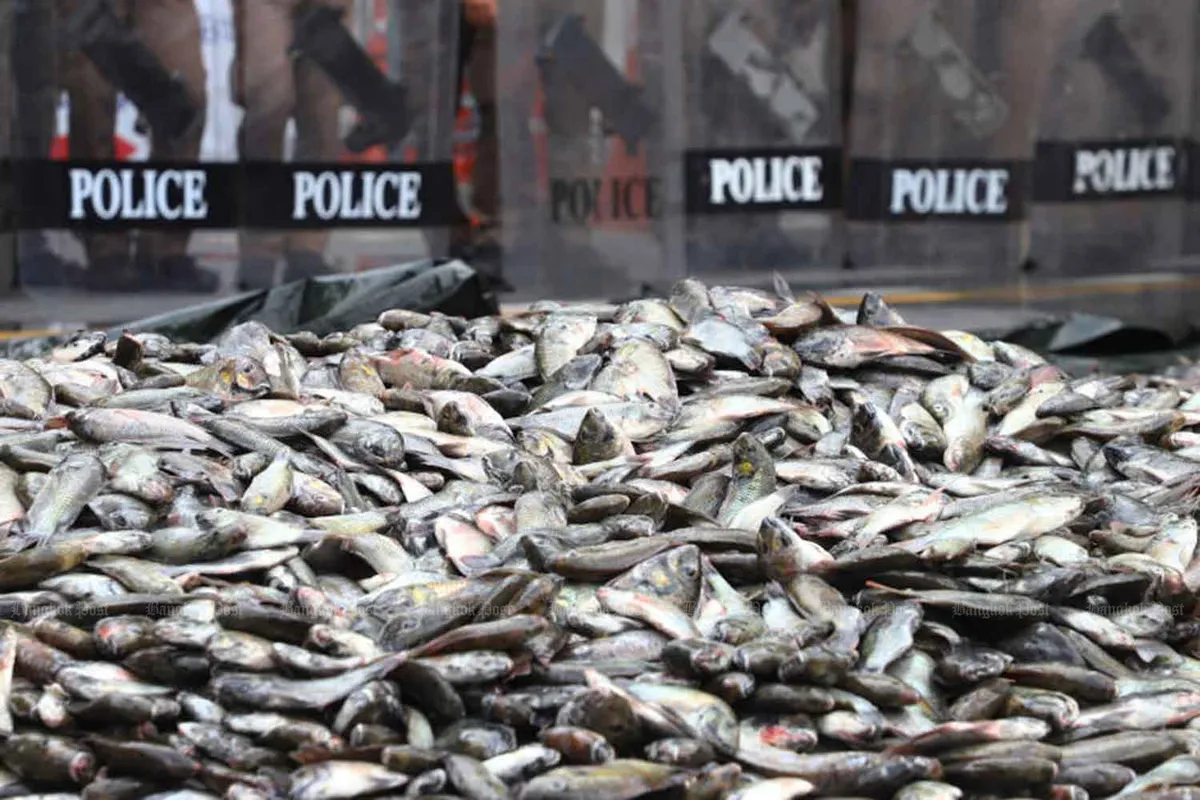
DNA analysis has confirmed the presence of blackchin tilapia (Sarotherodon melanotheron) in canned fish products, a finding that directly contradicts previous official identifications. The results, obtained from samples seized by the Food and Drug Administration (FDA), were analyzed by the International Center of Excellence in Seafood Science and Innovation at Prince of Songkla University. This development raises significant questions about mislabelling and the integrity of the food supply chain.
Conflicting Identifications Emerge
The recent DNA test results identified the fish as blackchin tilapia. This stands in opposition to earlier conclusions drawn by both the Department of Fisheries and the Ministry of Agriculture, which had identified the species as Nile tilapia. These discrepancies have fueled public concern regarding the accuracy of regulatory bodies and the potential for deceptive practices within the food industry.
Further complicating the issue, a separate canned fish sample collected in Samut Songkhram, which was explicitly labelled as containing sardines, was also found to contain Nile tilapia through independent analysis. This instance highlights a pattern of potential mislabelling that extends beyond the initial blackchin tilapia findings.
Concerns Over Public Confidence and Ecological Impact
Members of the People’s Party (PP), including MP Natcha Boonchai-insawat and MP Nattapong Sumonotham, have voiced strong concerns over the conflicting findings. They argue that these inconsistencies risk eroding public trust in the authorities’ ability to manage and oversee the food safety sector effectively. The repeated instances of misidentification and potential mislabelling necessitate a thorough explanation from the relevant government agencies.
Beyond the immediate food safety concerns, the presence of invasive species like blackchin tilapia in the food supply also brings ecological considerations to the forefront. MP Nattapong Sumonotham emphasized that efforts to manage the proliferation of blackchin tilapia should not solely rely on encouraging its consumption. He advocated for more robust measures to curb its ecological impact and prevent further disruption to native aquatic ecosystems.
Background of the Controversy
The controversy initially surfaced in May when the FDA confiscated over 12,000 cans of sardines from a manufacturing facility. This action was prompted by suspicions that the cans did not contain sardines as labelled, but rather tilapia. The foundation BioThai, a non-governmental organization focused on agricultural and environmental issues, noted that the latest DNA test results validate their initial concerns about fish being improperly labelled and the potential infiltration of blackchin tilapia into the broader food market.
BioThai has been actively monitoring the situation, raising awareness about the potential for consumer deception and the environmental implications of invasive species. Their involvement underscores the importance of independent verification and public advocacy in ensuring food safety and ecological balance.
Calls for Accountability and Transparency
In response to these findings, the People’s Party and BioThai have jointly issued a call to action directed at the FDA, the Department of Fisheries, and the Ministry of Agriculture. They are demanding clear explanations regarding how blackchin tilapia ended up being used in canned food products. Furthermore, they seek accountability for those found responsible for any regulatory failures or deceptive practices.
The organizations also stressed the critical need for enhanced transparency in the oversight of food safety. This includes making testing methodologies, results, and regulatory actions more accessible to the public. Improved transparency is seen as a crucial step in rebuilding public confidence and ensuring that consumers can trust the labels on the food they purchase.
Key Demands from Stakeholders:
- Explanation: Provide a detailed account of how blackchin tilapia entered the canned food production process.
- Accountability: Identify and hold responsible parties accountable for any breaches in food safety regulations or mislabelling incidents.
- Transparency: Enhance public access to information regarding food safety testing, results, and regulatory oversight mechanisms.
- Ecological Management: Implement stronger strategies to control the spread and impact of invasive fish species like blackchin tilapia.
Future Implications for Food Safety
The confirmation of blackchin tilapia in canned goods, coupled with the mislabelling of sardines, signals a potential systemic issue that requires immediate and comprehensive attention. Regulatory bodies are under pressure to not only address the current findings but also to implement stricter controls and verification processes to prevent future occurrences. The incident highlights the vulnerability of the food supply chain to misrepresentation and the critical role of advanced testing methods, such as DNA analysis, in ensuring product authenticity.
Moving forward, consumers and advocacy groups will likely maintain heightened scrutiny over canned fish products and the regulatory framework governing them. The onus is now on the authorities to demonstrate their commitment to food safety, accurate labelling, and the protection of both public health and the environment. Addressing these concerns transparently and effectively will be paramount in restoring and maintaining public trust.
