

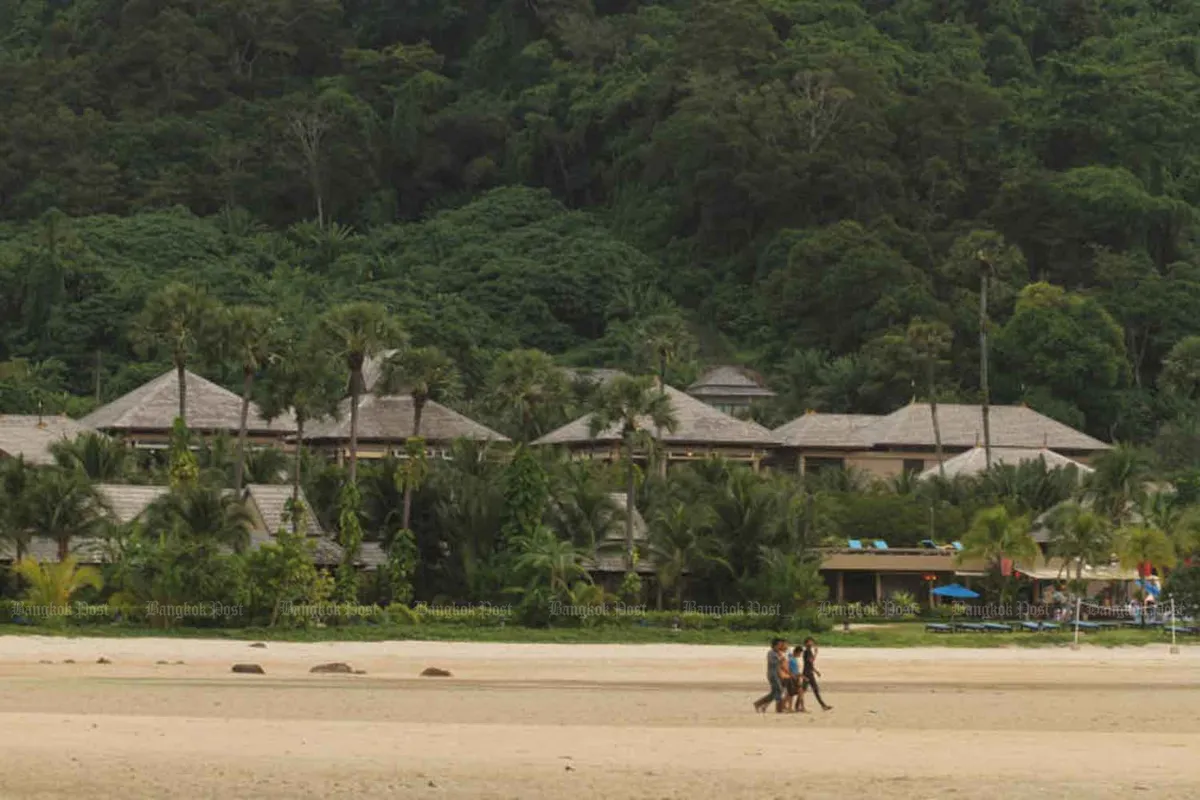
Phuket’s iconic beaches are set for a significant restoration effort, as authorities intensify their crackdown on illegal encroachments that have long marred these pristine coastal areas. The initiative targets both large-scale developments and smaller operations that have commercialized public beach access, aiming to reclaim and preserve the natural beauty and accessibility of Phuket’s shoreline.
Addressing Beach Encroachment: A Two-Pronged Approach
The restoration campaign is being managed through a coordinated strategy that addresses different types of land encroachment. Officials have categorized these cases into two primary jurisdictions. The Department of National Parks, Wildlife and Plant Conservation (DNP) oversees encroachments within national park boundaries, while the Royal Forest Department (RFD) handles cases involving forest land situated along the beaches.
This division of responsibility allows for a more focused and effective enforcement of land use regulations. The DNP, in particular, has been actively posting demolition notices on several large hotel properties. These establishments have been involved in protracted legal battles for over a decade, but recent court rulings have finally paved the way for enforcement actions. Hotel operators have been granted a one-month grace period to voluntarily dismantle their structures. Should they fail to comply, the DNP is prepared to exercise its legal authority to demolish the illegal constructions.
Legal Battles and Public Access Rights
The ministry remains resolute in its stance against individuals and groups who have profited from illegally occupying beach areas and charging visitors for access. A legal dispute initiated by such a group, seeking protection through the Administrative Court, has been met with confidence by officials. The ministry asserts it possesses substantial evidence to counter these claims and uphold its enforcement actions. Crucially, previous court decisions have already invalidated land-use certificates for these disputed areas, confirming their legal status as forest land, not private property.
When questioned about the confidence in resolving the remaining encroachment cases, officials expressed optimism. They highlighted that comprehensive legal procedures have been prepared for all potential scenarios. This preparedness is bolstered by strong support from the directors-general of both the DNP and the RFD, ensuring a united front in the restoration efforts.
Navigating Property Rights and Legal Status
The complex issue of property ownership is also being addressed. Authorities acknowledge that some individuals may have unknowingly purchased land that was illegally occupied. In such instances, buyers will be expected to accept the established legal status of the land. However, those who knowingly acquired property within illegally occupied zones will face legal repercussions. This distinction aims to balance fairness with the imperative of enforcing environmental and land use laws.
Key Enforcement Actions in Phuket
In line with the minister’s directives, DNP officials, in conjunction with the Sirinat National Park and the Phuket Legal Execution Office, have been actively enforcing court rulings. Notable cases include:
- Sakhu Sub-district Case: A 13-rai site in tambon Sakhu is subject to a Supreme Court order for the revocation of its land-use certificate. This ruling mandates the demolition of 39 hotel and villa structures that were built on the illegally occupied land.
- Choeng Thale Sub-district Case: Another significant enforcement action is underway concerning a 12-rai plot in tambon Choeng Thale, where similar legal measures are being applied to address encroachments.
The Path Forward: Restoring Phuket’s Natural Heritage
The ongoing restoration of Phuket’s beaches represents a critical step towards safeguarding the island’s natural assets and ensuring equitable access for all. By systematically addressing illegal encroachments and upholding legal rulings, authorities aim to restore the ecological integrity of coastal areas and enhance the visitor experience. This comprehensive approach underscores a commitment to sustainable tourism and the long-term preservation of Phuket’s world-renowned natural beauty.
The success of this initiative hinges on continued collaboration between government agencies, strict adherence to legal frameworks, and public cooperation. The ultimate goal is to transform Phuket’s beaches back into accessible, environmentally sound, and visually stunning destinations, benefiting both local communities and international visitors alike.
