

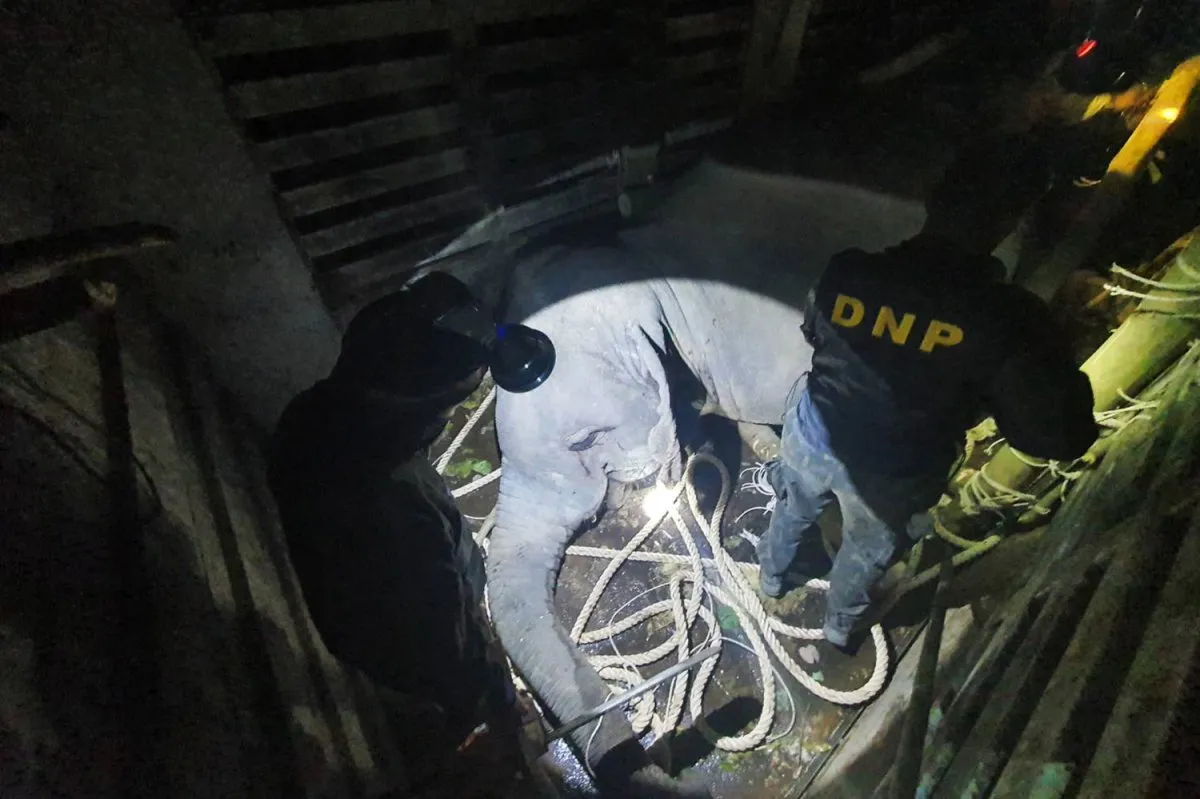
An official inquiry has recommended disciplinary action and compensation following the death of a 15-year-old male elephant during a relocation operation. The Ministry of Natural Resources and Environment announced on Wednesday that a fact-finding committee determined that personnel involved in the capture and transfer of the 2.8-tonne animal did not exercise adequate care, leading to its demise. The committee has called for a disciplinary investigation into the staff and civil liability proceedings against responsible officials within the Department of National Parks, Wildlife and Plant Conservation (DNP).
Negligence Cited in Elephant Relocation Operation
Nipon Jamnongsirisak, the ministry’s deputy permanent secretary and the committee’s chairman, stated that the findings were grounded in legal assessments and unequivocally pointed to negligence during the operation. The committee proposed that DNP executives associated with the relocation should bear financial responsibility for the damages, with the compensation amount estimated to be between 5 to 10 million baht, reflecting the elephant’s value. A final figure will be determined after a more detailed assessment.
While the names of the individuals involved have not yet been released, Mr. Nipon confirmed their direct connection to the elephant’s relocation. The incident occurred on the night of February 3rd in Khon Kaen province. The elephant, known as Seedor Hupab, was being moved back to its original habitat, a wildlife sanctuary located in Loei province.
Background of the Relocation
The decision to relocate Seedor Hupab was made after the elephant had strayed from the sanctuary. It began venturing into human settlements in search of food, posing a risk to local communities. Tragically, the elephant had also attacked and killed two people prior to the relocation attempt. This sequence of events necessitated intervention to prevent further harm to both humans and the animal.
Previous Findings and Public Reaction
A prior inquiry into the elephant’s death had concluded that the animal succumbed to respiratory failure. This investigation determined that the elephant choked on food while being transported, refuting earlier speculation that a sedative overdose was the cause. Seedor Hupab’s death, however, ignited significant criticism from animal welfare advocates. These groups voiced concerns over the handling of the operation and demanded accountability for the circumstances leading to the elephant’s demise.
Accountability and Future Prevention
The current committee’s recommendations aim to establish accountability for the failures in the relocation process. By suggesting disciplinary measures and financial liability, the ministry seeks to address the shortcomings identified. This situation underscores the complex challenges involved in managing wildlife, particularly when animals stray into human-dominated landscapes. The incident also highlights the need for robust protocols and careful execution in all wildlife capture and translocation efforts to ensure the safety and well-being of both animals and people.
The Ministry of Natural Resources and Environment is expected to follow through with the committee’s recommendations, initiating the necessary investigations and proceedings. The ultimate goal is to prevent similar tragedies from occurring in the future, emphasizing the importance of meticulous planning and execution in wildlife management. The financial compensation, once determined, will serve as a measure of the value placed on the life lost and the perceived negligence in the operation.
Moving forward, authorities will likely review and potentially revise their standard operating procedures for wildlife relocation. This includes assessing the training and resources available to the teams responsible for such sensitive operations. The public and animal welfare organizations will be closely watching the implementation of these recommendations, seeking assurance that lessons have been learned and that future wildlife management practices will be more effective and humane.
