

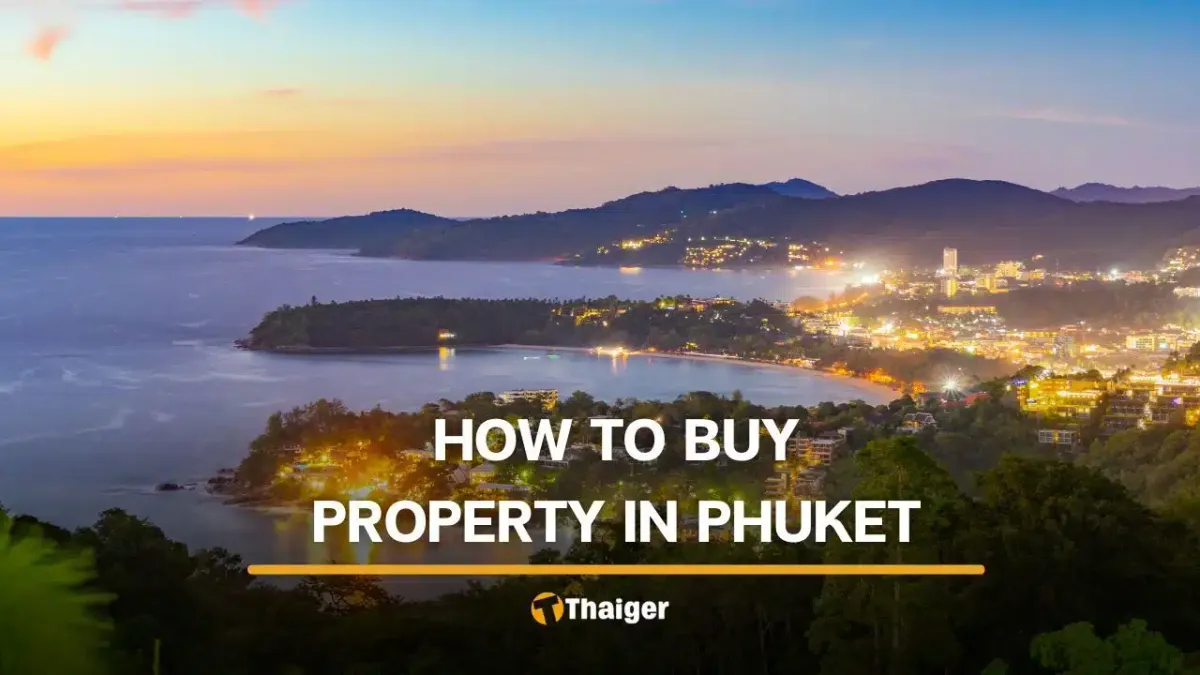
Buying property in Phuket presents a unique opportunity for foreign investors and residents, but navigating the island’s specific regulations, particularly regarding land ownership, is crucial. While foreigners can acquire condominiums outright, direct land ownership is restricted, influencing the types of properties available and the purchasing process. Phuket boasts a dynamic real estate market with thousands of units across numerous developments, making it a significant hub in Southeast Asia. This guide details key areas, ownership structures, associated costs, and the step-by-step procedure for acquiring property on the island.
Phuket’s Prime Property Locations for Foreign Buyers
Phuket’s property market is segmented by location, each offering distinct characteristics and price points. Understanding these areas is key to finding the right investment or home.
West Coast Premium Corridor: Bang Tao, Cherngtalay, Kamala, Surin, and Layan
This region is considered the island’s premier property hub, featuring a wide array of offerings from standard condominiums to luxury branded residences and exclusive hillside villas. Bang Tao and Cherngtalay, in particular, dominate the market, accounting for over half of all active listings. This area is ideal for luxury buyers, investors seeking high demand, and those desiring proximity to beaches, resorts, and international amenities. Median condo prices in Bang Tao and Cherngtalay hover around 156,000 baht per square meter. Kamala, situated between Patong and Surin, offers scarcity-driven value, especially for hillside villas, due to limited developable land. Surin and Layan are known for their tranquility, with villas in these areas showing strong capital growth.
Mid-Range Coastal Markets: Kata and Karon
Kata and Karon offer more accessible price points compared to the northern west coast while still providing excellent beach access. The market here is predominantly condo-focused. One-bedroom units can reach up to approximately 9.1 million baht, with villas priced around 40.4 million baht. The median condo price is about 144,000 baht per square meter. These areas are popular for holiday homes and investment properties due to strong short-term rental demand.
Southern Residential Hubs: Rawai and Nai Harn
Located at the southern tip of Phuket, Rawai and Nai Harn host the island’s largest year-round expatriate community. This market leans towards owner-occupiers, retirees, and families seeking a settled community. Prices are comparatively lower than the west coast, with median condo prices around 130,000 baht per square meter. One-bedroom condos are available up to about 15.4 million baht, and villas up to 42.7 million baht.
Affordable Inland Options: Chalong and Phuket Town
Chalong, situated inland near marinas and international schools, offers convenience without beachfront premiums. Phuket Town and surrounding areas like Wichit and Si Sunthon represent the most affordable property market on the island, with median condo prices around 86,000 baht per square meter. This area is suitable for budget-conscious buyers prioritizing practical access to daily services, schools, and hospitals.
Foreign Ownership Rules in Phuket
Understanding what foreigners can and cannot own is paramount when buying property in Phuket.
Condominiums: Freehold Ownership
Foreigners can own condominiums outright on a freehold basis, provided they do not exceed a 49% quota within any given building. Once this quota is filled, subsequent foreign buyers may only acquire leasehold interests. Funds for freehold condo purchases must be transferred from overseas in foreign currency to facilitate the issuance of the Foreign Exchange Transaction (FET) form by the bank, which is required by the Land Department.
Villas and Land: Leasehold and Superficies
Direct ownership of land by foreigners is not permitted. When purchasing a villa or landed property, foreigners typically enter into a 30-year leasehold agreement for the land, coupled with a superficies right to own the structure (the villa itself). In some cases, a usufruct right might be employed, where a Thai spouse holds the land title. While investing a significant amount (40 million baht) in approved assets can allow for direct land ownership under specific regulations, such approvals are rare.
Leasehold Reforms
A significant Supreme Court decision in March 2025 (Decision No. 4655/2566) clarified leasehold terms. The ruling stated that pre-agreed automatic renewals (e.g., 30+30+30 year terms) are unenforceable beyond the initial 30-year period. This means buyers should plan for a secure tenure of 30 years, not the extended terms previously assumed. While reforms to extend leases to 99 years or increase condo quotas have been discussed, they have not yet been enacted. It is advisable to purchase based on current laws.
Property Types and Costs
Phuket offers various property types, each with different ownership structures and price points.
- Condominiums: Constitute approximately 83% of Phuket’s property inventory, offering freehold ownership within the foreign quota. The median price per square meter is around 144,000 baht.
- Villas or Landed Houses: Make up about 17% of the market. Ownership is typically via a 30-year leasehold plus superficies. The median price per square meter is lower, around 70,000 baht.
- Branded Residences: These command a premium. Branded condos are about 28% more expensive than standard condos, with branded villas also carrying a higher price tag than typical leasehold villas.
New-build properties generally carry a premium over resale units. For instance, new condos average 139,000 baht per square meter, compared to 100,000 baht for resale units, representing a 39% gap. This makes resale properties a potentially more attractive entry point for those prioritizing value.
Rental Yields and Market Dynamics
Phuket averaged a gross rental yield of 5.8% in 2025, according to Colliers Thailand. Yields can range from 3.2% in saturated areas to as high as 9.1% in prime locations. West coast short-term rentals might yield 6.5% to 8.5% gross, narrowing to 3.8% to 5.2% net after expenses. It’s important to note that short-term rentals (under 30 days) legally require a hotel license, a regulation many operators currently bypass.
The market is experiencing shifts, with unsold new-build condo inventory projected to increase through 2026-2027. Russian buyers now represent a significant portion of foreign condo transfer values, while Chinese demand has softened. Despite potential oversupply in some segments, land-scarce areas like Kamala and Surin are expected to see continued price growth. Analysts forecast annual price increases of 8-10% for Phuket through 2026, outpacing other Thai markets.
The Property Purchase Process in Phuket
Acquiring property in Phuket involves several key steps:
- Reservation: A reservation deposit secures the unit while contracts are drafted. This deposit is typically non-refundable, so ensuring a contingency clause for clear title is advisable. This is also the time to engage legal representation.
- Due Diligence: Instruct a lawyer to verify the property’s title deed (Chanote), confirm the foreign quota status for condos, and obtain a debt-free certificate for resale properties.
- Sale and Purchase Agreement: Review the contract thoroughly with your lawyer, paying attention to price, payment schedule, fees, and completion dates. This agreement is legally binding.
- Fund Transfer: For freehold condos, transfer funds from an overseas account in foreign currency to enable the bank to issue the required FET form.
- Land Department Transfer: Register the property transfer at the Land Department, settling all applicable fees and taxes. Foreign buyers pay a standard 2% transfer fee. Leasehold registration for villas is calculated at 1.1% of the total lease rent. Total transaction costs for condos typically range from 2.5% to 6.3% of the purchase price.
Key Considerations Before Buying
Several factors warrant careful attention:
- Altitude and Planning Restrictions: Land above 80 meters is subject to planning restrictions. Recent revisions limit construction height and plot coverage on slopes, impacting development potential, especially in hillside areas like Kamala and Surin.
- Environmental Impact Assessments: Larger coastal developments may require EIAs. Confirm the environmental status before committing.
- Land Title Scrutiny: Be wary of “dirty land” – plots illegally sold from protected or public land. Ensure registered rights of way are documented on the title deed.
- Leasehold Terms: Understand that the enforceability of lease renewals is limited to the initial term, as per the recent Supreme Court ruling.
Successfully buying property in Phuket hinges on making informed decisions regarding location, ownership structure (freehold vs. leasehold), and conducting thorough due diligence, particularly for properties in sensitive or restricted areas. While the legal process is generally straightforward, these foundational choices are critical for a secure investment.
