

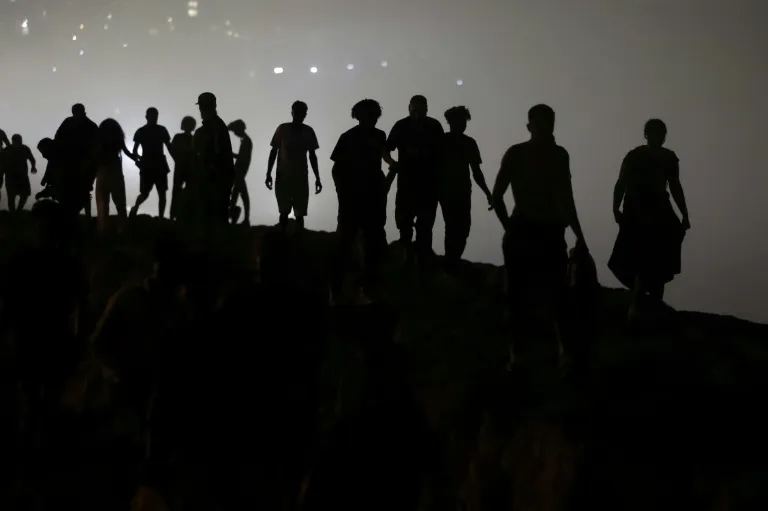
The Spanish territory of Ceuta experienced a significant humanitarian crisis as an estimated 60,000 individuals attempted to cross from Morocco. Tragically, the surge resulted in at least 72 confirmed fatalities, according to official figures. The majority of those who entered the enclave have since returned to Morocco voluntarily, marking the largest mass migrant crossing into Ceuta in recent history.
Ceuta’s Border Crisis: A Humanitarian Tragedy
The influx of migrants into Ceuta, a Spanish enclave on the northern coast of Africa, overwhelmed authorities and led to a severe humanitarian situation. The official death toll, confirmed by the government’s delegate to Ceuta, Miguel Angel Perez Triano, reached 72, a grim increase from previous reports. This event has prompted a strong response from Spain, with police and military forces patrolling the streets to restore order.
In the aftermath, the enclave has begun to return to a semblance of normalcy. Most of the migrants who successfully crossed the border barrier have since returned to Morocco within a 48-hour period. However, the crisis has escalated into an international diplomatic issue, with European partners scrutinizing Spain’s immigration policies in light of the uncontrolled crossing.
Security Measures and Migrant Returns
Spanish security forces have been actively managing the situation on the ground. Reports described soldiers detaining small groups of migrants, who appeared exhausted, near Ceuta port. Rescue units were observed patrolling the waters around the border, which extends into the Mediterranean Sea. A newly installed 500-meter floating boom has been deployed to reinforce security along the maritime border.
Civil Guard officers were seen escorting migrants from buses back to border posts for repatriation to Morocco. The border crossing itself has become calmer, with cleanup crews working to remove the debris, including clothing and rubbish, left behind during the mass migration event.
Underlying Causes and Diplomatic Tensions
The sudden and massive surge of migrants into Ceuta has sparked debate about its underlying causes and diplomatic implications. Spanish authorities have pointed to criminal organizations as being responsible for spreading misinformation, specifically rumors that a recent Spanish Supreme Court ruling would facilitate easier passage for migrants. These rumors, amplified on social media, appear to have played a significant role in motivating the desperate crossing.
Some analysts have suggested a potential diplomatic motive behind the events, positing that Morocco might have allowed or facilitated the crossings to exert pressure on Spain. This theory is particularly relevant given recent improvements in Spain’s relationship with Rabat’s regional rival, Algeria. In 2021, a similar situation occurred when approximately 10,000 migrants entered Ceuta, coinciding with Morocco easing border controls as a tactic to pressure Spain.
Moroccan officials have remained largely silent on the current crisis, offering no official statement regarding the events. However, many migrants who crossed into Ceuta reported hearing that the border was open, a rumor that spread rapidly through online channels.
European Union Response and Internal Disagreements
The crisis in Ceuta has prompted a strong reaction from the European Union. The bloc announced plans for a video conference to discuss the situation, following a joint letter from 22 member states calling for an urgent meeting to coordinate a response and prevent future uncontrolled crossings. The urgency of the situation led Italy to suspend its participation in the Schengen agreement with Spain for one month, halting visa-free travel between the two countries.
Spanish Prime Minister Pedro Sanchez has expressed frustration with the reactions of some EU member states, describing them as “selfish” in a letter addressed to EU leaders. This indicates underlying tensions within the bloc regarding migration policy and burden-sharing.
Conclusion: A Persistent Challenge
The mass migrant rush into Ceuta, resulting in significant loss of life and escalating diplomatic tensions, underscores the complex and persistent challenges of irregular migration in the region. While the immediate situation has stabilized with the return of most migrants to Morocco, the underlying issues driving these dangerous journeys remain. The event highlights the need for coordinated European policies, effective border management, and addressing the root causes of migration, while ensuring humanitarian considerations are paramount.
