

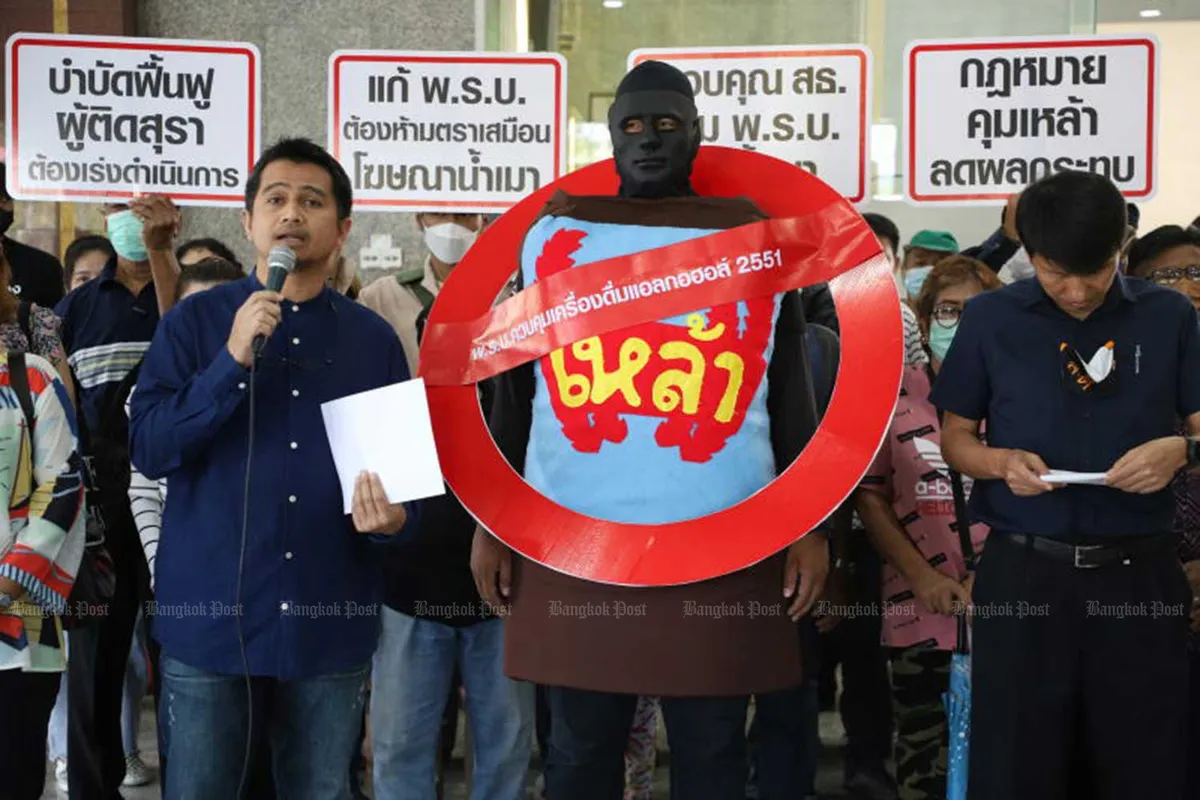
Authorities in Thailand are intensifying efforts to enforce stricter alcohol sales regulations, focusing on preventing purchases by individuals under the legal age of 20 and those who appear visibly intoxicated. The Bangkok Metropolitan Administration (BMA) and the Thai Health Promotion Foundation (ThaiHealth) are spearheading a campaign to boost public understanding and compliance with these rules.
Campaign Focus: Protecting Vulnerable Groups
The core objective of this initiative is to curb alcohol-related harm by ensuring that retailers and community members actively participate in upholding the law. This involves a two-pronged approach: educating the public about the existing regulations and empowering them to act as responsible gatekeepers in alcohol sales.
Key aspects of the campaign include:
- Age Verification: Retailers are being reminded of their legal obligation to verify the age of purchasers, particularly when there is any doubt. The legal drinking age in Thailand is 20.
- Intoxication Checks: Staff at points of sale are encouraged to exercise judgment and refuse service to individuals who are clearly under the influence of alcohol, to prevent further harm.
- Community Involvement: The initiative seeks to foster a sense of shared responsibility within communities, encouraging neighbors and local leaders to support the enforcement of alcohol control measures.
Rationale Behind Stricter Enforcement
The push for more rigorous enforcement stems from ongoing concerns about the societal impact of alcohol consumption, including public health issues, accidents, and crime. Both ThaiHealth and the BMA emphasize that these regulations are not merely bureaucratic measures but are designed to safeguard public well-being and promote a healthier environment for all citizens.
Public health experts have long highlighted the detrimental effects of early and excessive alcohol consumption. By restricting sales to minors and intoxicated individuals, authorities aim to:
- Reduce Alcohol-Related Harm: Lowering the incidence of alcohol-related accidents, injuries, and fatalities.
- Improve Public Health Outcomes: Mitigating the long-term health consequences associated with alcohol abuse, such as liver disease and various cancers.
- Enhance Public Safety: Decreasing alcohol-fueled disturbances and criminal activity in public spaces.
Retailer Responsibilities and Support
The campaign places significant emphasis on the role of retailers, who are on the front lines of alcohol sales. They are being provided with information and, in some cases, training to help them identify underage individuals and those who are too intoxicated to be served. The BMA and ThaiHealth are working to ensure that retailers understand the legal ramifications of non-compliance, which can include fines and the suspension or revocation of their licenses.
Beyond enforcement, the initiative also aims to foster a supportive environment for retailers who are committed to responsible sales practices. This includes promoting best practices and sharing success stories from businesses that have effectively implemented age and intoxication checks.
Broader Public Awareness Efforts
Raising public awareness extends beyond just retailers. The BMA and ThaiHealth are utilizing various channels to communicate the importance of these alcohol control measures to the general public. This includes public service announcements, community outreach programs, and educational materials distributed through local government offices and community centers.
The underlying message is that responsible alcohol consumption benefits everyone. By working together, communities can create a safer and healthier environment. The authorities are urging the public to be mindful of the laws and to support retailers in their efforts to comply with the regulations.
Looking Ahead: A Commitment to Public Health
The intensified focus on strict alcohol regulations underscores Thailand’s ongoing commitment to improving public health and safety. The collaboration between the BMA and ThaiHealth signifies a coordinated effort to address the complex challenges associated with alcohol consumption. As these measures are rolled out more widely, the expectation is for greater compliance and a tangible reduction in alcohol-related harms across the nation.
The success of this campaign will ultimately depend on the collective effort of retailers, community members, and individuals to adhere to and support these vital regulations, ensuring a safer environment for all.
