

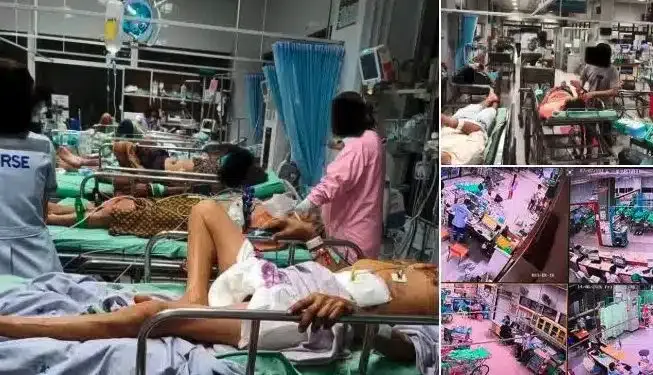
An emergency room doctor in Thailand has described a critical situation where even a large medical team struggles to cope with the relentless influx of patients. For the past two to three months, the emergency department has been consistently overwhelmed, with more than 10 doctors on a single morning shift unable to process patients quickly enough. The doctor shared details of the staffing and the challenging conditions in a Facebook post, which included images of patients waiting on trolleys, with queues extending beyond the department’s designated areas.
Unprecedented Patient Surge Strains Resources
The doctor outlined the typical shift staffing: over 10 doctors for the morning shift, eight in the afternoon, and four overnight. This roster, the doctor believes, is significantly heavier than what most other hospitals operate with. The intensity of the workload is so severe that the afternoon team sometimes doesn’t get a chance to eat until late in the evening, around 11 p.m. Even the overnight shift experiences a constant stream of arrivals, with patient numbers only beginning to decline around 4 a.m., and new patients continuing to arrive throughout the night.
Adding to the strain, the department handles not only its local walk-in patients but also accepts referrals from hospitals across the country. The medical staff are frequently dealing with complex cases, including those involving methamphetamine, cannabis, and kratom use, alongside a substantial number of psychiatric patients daily. The volume of accident cases is also notably high, contributing to the department’s constant state of high demand.
A Call for Information and Support
In the concluding part of the post, the doctor posed a direct question to medical professionals in other hospitals, seeking to understand if they are experiencing a similar surge in patient numbers. A particular point of inquiry was how departments operating with only one or two doctors per shift manage to handle their patient load effectively. The post aimed to gauge the broader impact of these pressures on the healthcare system and to share experiences within the medical community.
The social media post garnered significant attention, with numerous commenters offering messages of support and encouragement to the doctor and the hospital team. Many advised the staff to prioritize their well-being and remember to eat amidst the demanding circumstances.
Broader Context of Hospital Strain
This account emerges amid ongoing public discussions and concerns regarding waiting times in state hospitals, a topic that has been a subject of considerable media coverage. Recent incidents have highlighted the pressures within the healthcare system. In one instance on August 17, staff at a hospital in Khon Kaen faced criticism after allegedly mocking a patient’s complaint online. This situation took a tragic turn when the patient later died, prompting an apology from the nurse involved.
While the specific hospital and the doctor who shared their experience remain unidentified in the post, with identifying details blurred, the narrative underscores a critical issue of resource allocation and patient demand in Thai emergency departments. The challenges described by the ER doctor point to a potential systemic strain that requires attention and solutions to ensure adequate patient care without compromising the well-being of medical staff.
Key Challenges Facing the ER Department:
- Sustained high patient volume for 2-3 months.
- Inability to process patients quickly despite a large medical team (10+ doctors per morning shift).
- Significant workload extending into late evenings and overnight.
- Handling both local walk-ins and national referrals.
- Managing complex cases including substance abuse and psychiatric emergencies.
- High number of accident-related cases.
- Potential staffing disparities compared to other hospitals.
The doctor’s appeal highlights the urgent need for strategies to manage patient flow, potentially through increased staffing, improved resource allocation, or enhanced triage systems. The experiences shared serve as a stark reminder of the pressures faced by frontline healthcare workers and the critical importance of a well-resourced healthcare system capable of meeting the needs of the population.
