

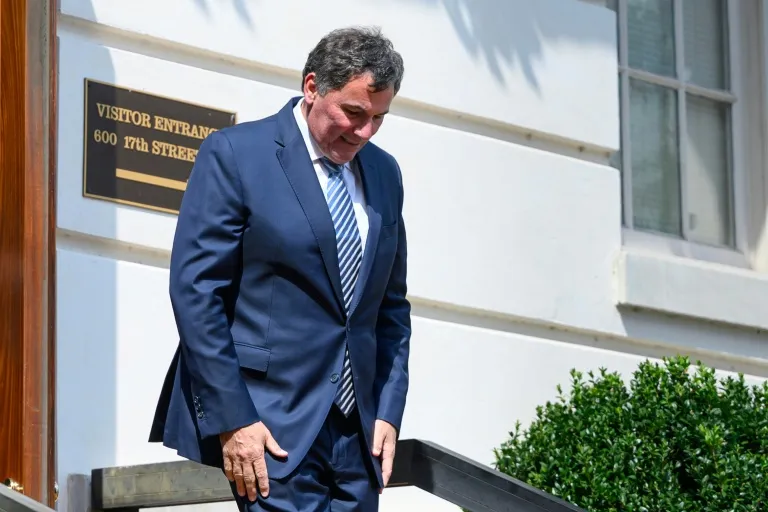
Negotiators from the United States and Canada engaged in intensive discussions this week, striving to finalize a comprehensive trade agreement. The talks, held in Washington D.C., saw significant progress, leading President Donald Trump to temporarily suspend a threatened 50% tariff on a range of Canadian goods. This move came as a last-minute reprieve, signaling a potential breakthrough after weeks of complex negotiations aimed at resolving several key trade disputes.
Intensive Negotiations and Tariff Resolution
Canadian negotiators have been based in Washington, working diligently to iron out the details of a new trade pact. Both sides have indicated that a deal is on the cusp of completion, with discussions continuing into Friday morning. A key meeting was scheduled between top Canadian negotiator Dominic LeBlanc and U.S. Trade Representative Jamieson Greer, with expectations high for a resolution.
Following a meeting with Greer on Thursday, LeBlanc expressed optimism, telling reporters, “We’re very close.” He affirmed the commitment to persist until an agreement is reached. Canada has been particularly keen on securing relief from existing U.S. tariffs imposed on automobiles, steel, and aluminum. These tariffs have had a notable impact on the Canadian economy, contributing to job losses and straining a historically strong trade relationship.
Key Provisions and Regional Reactions
Details emerging about the proposed agreement suggest that while U.S. tariffs may be reduced in specific sectors, they are unlikely to be entirely removed. This nuanced approach was reportedly communicated to Canadian provincial leaders by Prime Minister Mark Carney. The sentiment among some regional leaders, such as Saskatchewan Premier Scott Moe, is that a complete return to the pre-tariff trade landscape is not feasible.
Addressing Specific Trade Sticking Points
One particular point of contention that reportedly irked U.S. officials was Canada’s retaliatory measure involving the removal of American alcoholic beverages and wines from provincial liquor stores. In response to this, Prime Minister Carney urged provincial leaders on Wednesday to reinstate the sale of U.S. alcohol products.
Provincial Responses to the ‘Booze Ban’
The reaction from Canada’s provincial leaders to this request varied. Some, like Tim Houston, the leader of Nova Scotia, agreed to restock U.S. alcoholic beverages. However, others expressed reservations or a desire for further scrutiny of the proposed trade deal. Quebec Premier Christine Frechette indicated a need to thoroughly review the agreement before committing, while Manitoba’s Premier Wab Kinew voiced skepticism, suggesting the U.S. appeared to be in a weaker negotiating position and that Canada should maintain a firm stance.
Ontario Premier Doug Ford, who had been a vocal critic of the U.S. during the trade dispute, remained notably silent on the matter. His government oversees the Liquor Control Board of Ontario, a significant purchaser of U.S. alcohol. This silence could be interpreted in various ways, given his previous strong opposition to U.S. trade actions.
Long-Term Trade Relationship and Diversification
Regardless of the immediate outcome of the trade talks, Prime Minister Carney has consistently emphasized that the relationship between Canada and the United States has undergone a fundamental shift. He has urged Canadians to recognize the need for economic diversification and a reduced dependency on the U.S. market.
This strategic pivot, however, is a long-term endeavor. The United States remains Canada’s most crucial trading partner by a significant margin, accounting for approximately 70% of all Canadian exports. This deep economic integration underscores the importance of reaching a stable and mutually beneficial trade agreement.
Conclusion: A Path Forward
The intensified negotiations signal a critical juncture in U.S.-Canada trade relations. While the threat of tariffs has been temporarily averted, the underlying issues and the path to a fully resolved agreement remain complex. The outcome will not only shape immediate economic conditions but also influence the long-term trajectory of trade between the two North American neighbors, with Canada continuing its efforts to balance its deep ties with the U.S. while exploring broader global economic partnerships.
