

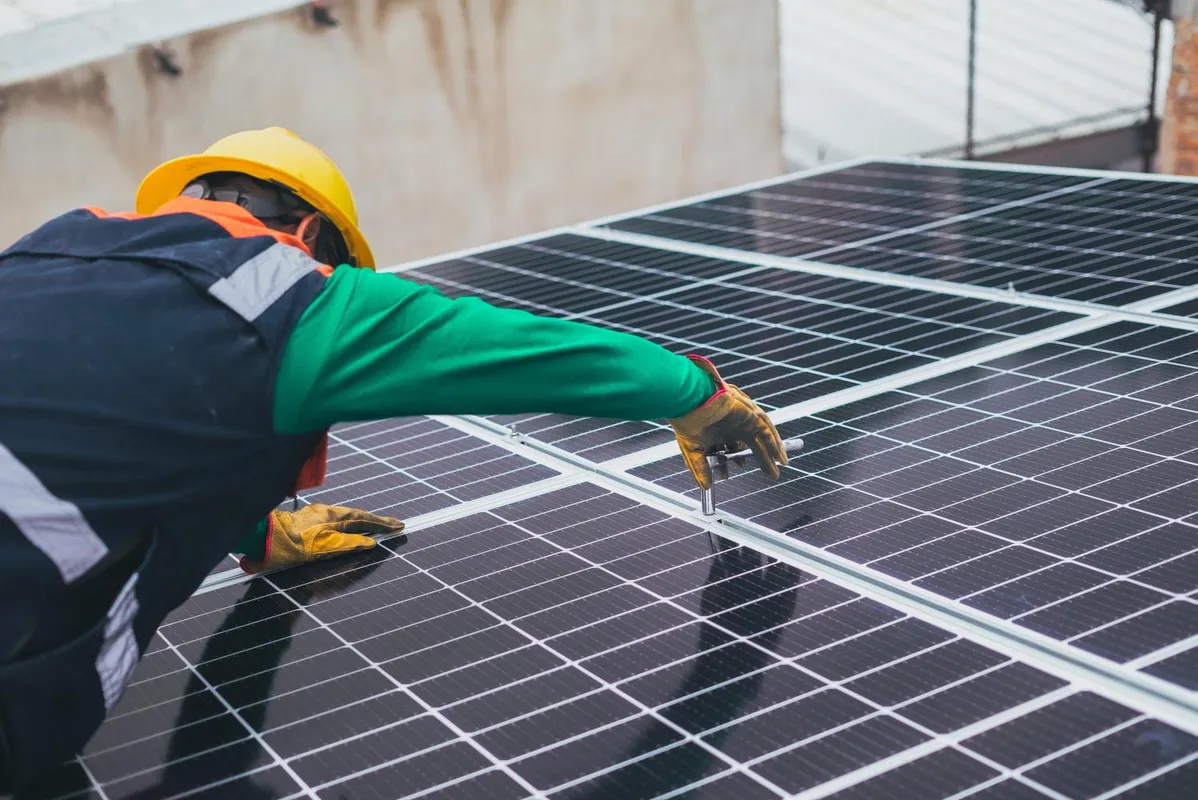
Thailand is placing a significant emphasis on accelerating its shift away from fossil fuels towards clean energy sources, with solar power emerging as a cornerstone of this national strategy. This transition is not merely an environmental aspiration but a critical government priority aimed at securing a sustainable and resilient energy future for the nation.
The Imperative for Clean Energy
The global energy landscape is undergoing a profound transformation, driven by concerns over climate change, energy security, and the economic volatility associated with fossil fuels. Thailand, like many nations, recognizes the urgent need to diversify its energy mix and reduce its reliance on traditional, carbon-intensive sources. This strategic pivot is essential for meeting international climate commitments, mitigating the impacts of global warming, and fostering long-term economic stability.
The government’s commitment to this transition is underscored by substantial financial allocations. A significant portion of an emergency loan decree has been specifically earmarked for the expansion of rooftop solar power initiatives. This financial backing signals a clear intent to rapidly scale up solar energy deployment across the country, from residential installations to commercial and industrial applications.
Harnessing Solar Potential
Thailand’s geographical location and abundant sunshine make it an ideal candidate for large-scale solar energy generation. The country possesses a favorable climate with high solar irradiance throughout much of the year, providing a consistent and reliable source of renewable energy. Leveraging this natural advantage is key to unlocking the full potential of solar power.
Rooftop Solar: A Key Strategy
The focus on rooftop solar power is a strategic choice that offers several distinct advantages. Unlike large-scale solar farms that require significant land acquisition, rooftop installations can utilize existing infrastructure, such as the roofs of homes, businesses, and government buildings. This approach minimizes land-use conflicts and can be implemented more rapidly.
Expanding rooftop solar capacity offers a decentralized approach to energy generation. This means that power can be produced closer to the point of consumption, reducing transmission losses and enhancing grid stability. For households and businesses, it presents an opportunity to generate their own electricity, leading to reduced energy bills and greater energy independence.
The government’s investment in this sector is expected to stimulate further private sector participation and innovation. As the market for rooftop solar grows, it is anticipated that costs will continue to decrease, making solar energy even more accessible and attractive to a wider range of consumers. This includes incentives and supportive policies designed to encourage adoption, such as streamlined permitting processes and potential feed-in tariffs or net metering schemes.
Broader Clean Energy Initiatives
While rooftop solar is a prominent focus, Thailand’s clean energy future encompasses a broader range of renewable sources and technologies. The nation is also exploring and investing in other forms of clean energy, including:
- Solar Farms: Development of utility-scale solar power plants to contribute significant amounts of electricity to the national grid.
- Wind Power: Assessing and developing wind energy potential, particularly in coastal and offshore areas.
- Biomass and Bioenergy: Utilizing agricultural waste and other organic materials to generate electricity and heat, leveraging Thailand’s strong agricultural sector.
- Hydropower: Continuing to utilize existing hydropower resources while exploring sustainable expansion opportunities.
- Energy Storage: Investing in battery storage and other technologies to ensure a stable and reliable supply of electricity from intermittent renewable sources.
- Energy Efficiency: Implementing measures to reduce overall energy consumption through improved efficiency in industries, buildings, and transportation.
These complementary initiatives are crucial for building a robust and diversified renewable energy portfolio that can meet the country’s growing energy demands while significantly reducing its carbon footprint.
Challenges and Opportunities
The transition to a clean energy future is not without its challenges. Integrating large amounts of variable renewable energy into the existing grid requires significant upgrades to infrastructure and sophisticated grid management systems. Ensuring energy affordability for all citizens during this transition is also a key consideration.
However, the opportunities presented by this shift are immense. Beyond environmental benefits, the growth of the renewable energy sector can drive economic development, create new jobs, and foster technological innovation. Thailand has the potential to become a leader in clean energy technologies and solutions within the Southeast Asian region.
Conclusion
Thailand’s commitment to accelerating its transition from fossil fuels to clean energy, with a particular emphasis on expanding rooftop solar power, marks a pivotal moment for the nation’s energy sector. By harnessing its abundant solar resources and investing strategically in renewable technologies, Thailand is paving the way for a more sustainable, secure, and prosperous energy future.
