

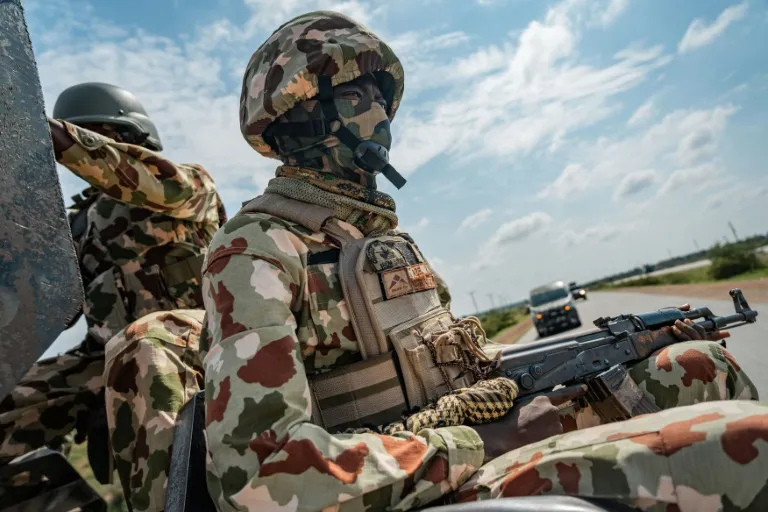
A recent wave of violence in Nigeria has resulted in the deaths and kidnappings of dozens of civilians, highlighting the persistent challenges posed by insurgencies and armed groups across the country. The attacks, which occurred in the Borgu local government area of Niger state, underscore the complex security landscape that continues to plague Africa’s most populous nation.
Escalating Violence in Niger State
The incident unfolded in Dikera village shortly after Friday prayers when a large group, identified as the Lakuwara, launched an assault. Survivors described the attackers as being armed with guns, knives, and machetes. Jibril Ahmad, a survivor of the attack on Dikera, recounted the harrowing experience, stating that the assailants claimed their victims were not practicing Islam correctly as they carried out the killings. The nearby village of Binzi was also targeted.
Adding another layer of complexity to the situation, a rival jihadist group known as Mahmuda reportedly intervened and clashed with the Lakuwara fighters. Ahmad and federal representative Jafaru Mohammed indicated that this intervention allowed some villagers to escape while the two groups were engaged in conflict. Mohammed explained that members of the Mahmuda group opposed the Lakuwara’s doctrine and took action upon learning of the attacks. However, the immediate aftermath saw a significant number of people killed and many others abducted and taken into the wilderness.
Understanding the Lakuwara and Mahmuda Groups
The Lakuwara group is described as a shadowy organization, with some researchers suggesting a potential link to the Islamic State Sahel Province (ISSP), an entity active in regions like Burkina Faso, Mali, and Niger. The ISSP is known for its brutal tactics and has been a significant factor in the instability of the Sahel region.
The intervention by the Mahmuda group, while seemingly providing an opportunity for some to flee, also points to the fragmented nature of the conflict. Information regarding the exact number of casualties and abductees was still being compiled in the immediate aftermath of the attacks. Local police confirmed awareness of the kidnappings but had not yet received reports of fatalities.
Broader Context of Insurgency and Criminality in Nigeria
This latest incident occurs against a backdrop of a protracted 17-year insurgency by jihadist groups in Nigeria, primarily concentrated in the northeast. Mass abductions, including the notorious 2014 kidnapping of hundreds of schoolgirls from Chibok, have been a hallmark tactic of these groups. While the primary insurgency has seen some decline since its peak, the conflict has splintered and spread, with increased activity by local armed groups and militants from the neighboring Sahel region impacting areas closer to Nigeria’s western borders.
Beyond the ideologically driven jihadist groups like Boko Haram and the Islamic State West Africa Province (ISWAP) operating in the northeast, other regions face different security threats. Northwest and central Nigeria are grappling with widespread activity from non-ideological “bandit” gangs. These groups engage in village raids, mass kidnappings for ransom, and extortions from farmers and miners, contributing significantly to the insecurity in these areas. The Nigerian government had previously claimed successes in dismantling some groups, including Mahmuda and Ansaru, through arrests of their leaders in August of the previous year. However, these claims appear to be challenged by the ongoing violence.
The Nigerian military and police remain stretched thin, managing multiple, often overlapping conflicts. These include the persistent jihadist threats in the northeast, the banditry in the northwest and center, farmer-herder clashes over land resources, and a simmering separatist conflict in the southeast. The United States military has also conducted strikes against jihadist targets in the northwest in recent times, indicating the international dimension of the security challenges.
Kidnapping as a Lucrative Industry
Kidnappings have evolved into a significant criminal enterprise in Nigeria, generating millions of dollars for various groups, from small-time gangs to transnational jihadist organizations. Despite legislation prohibiting ransom payments, both victims’ families and, at times, the government have been implicated in making such payments to secure the release of abducted individuals. This practice, while sometimes seen as a necessary evil to save lives, inadvertently fuels the kidnapping industry and incentivizes further criminal activity.
The recurring nature of these attacks, the involvement of multiple armed factions, and the lucrative ‘industry’ of kidnapping paint a grim picture of Nigeria’s ongoing struggle for peace and security. Addressing these multifaceted threats requires a comprehensive strategy that tackles not only the immediate violence but also the underlying socio-economic factors that contribute to radicalization and criminal enterprise.
