

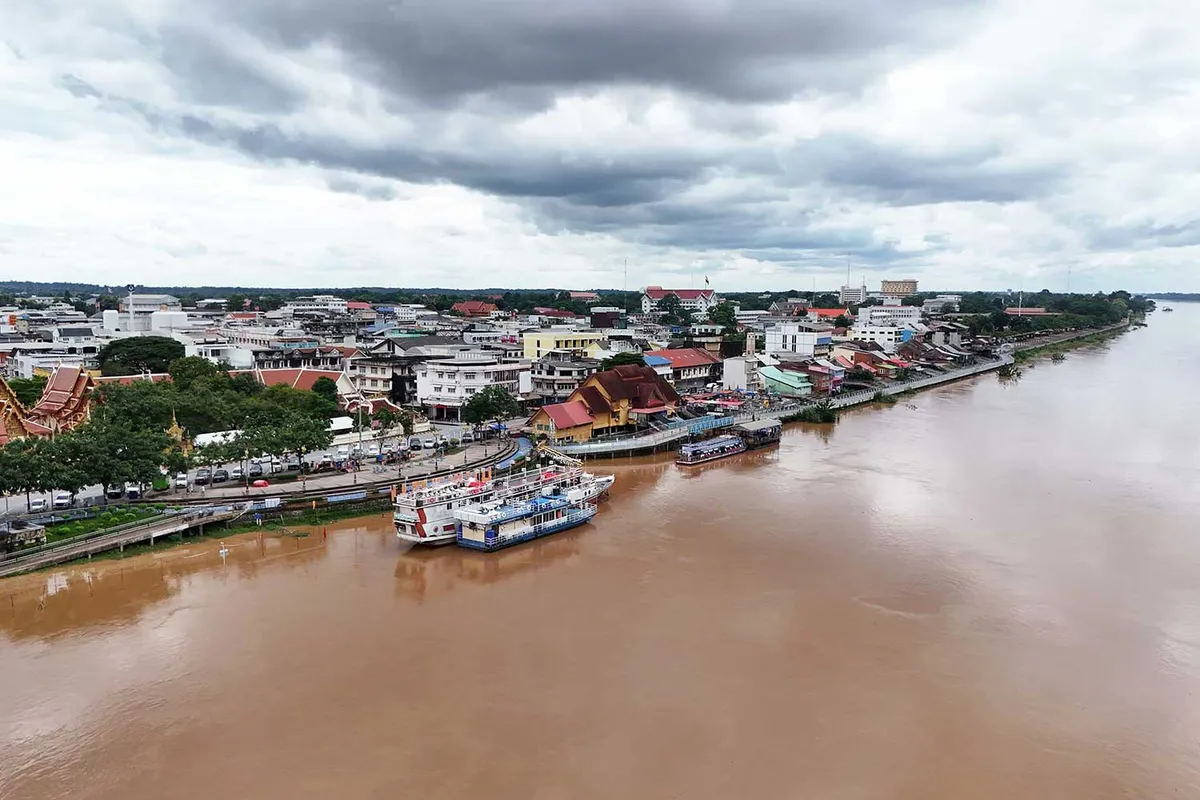
Northeastern Thailand is set to experience significant rainfall and potential flash flooding over the coming days, according to the Meteorological Department. Heavy downpours are expected on Sunday and Monday, particularly in the eastern regions of the Northeast, driven by a monsoon trough situated over the North and upper Northeast. Residents in vulnerable areas are being alerted to the possibility of flash floods and runoff, especially near the Mekong River Basin, on slopes, along waterways, and in low-lying zones.
Extended Rainfall Forecast for Thailand
The weather pattern is forecast to shift, bringing increased rainfall across Thailand from Tuesday through Friday. This broader period of precipitation is anticipated to include heavy falls in several key regions. The lower North, the lower Northeast, the Central Plains – encompassing the bustling capital of Greater Bangkok – the Eastern provinces, and the western part of the South are all expected to see substantial rain.
Understanding the Meteorological Shift
This anticipated increase in rainfall is attributed to the movement of the monsoon trough. Experts explain that the trough will migrate southward, positioning itself over the lower North, the upper Central Plains, and the Northeast. This shift in atmospheric conditions is a common precursor to more widespread and intense rainfall events during the monsoon season.
Regional Impact and Preparedness
The Meteorological Department’s advisories are crucial for local authorities and residents in the affected areas. The warning about flash flooding and runoff highlights the immediate risks associated with such heavy rainfall. These events can occur rapidly, overwhelming drainage systems and causing significant disruption to daily life, infrastructure, and agriculture.
Specific Areas of Concern
The eastern part of the Northeast is identified as the primary area for immediate concern on Sunday and Monday. The potential for flooding along the Mekong River Basin is particularly noteworthy, given the river’s scale and the impact flooding can have on communities living along its banks. Slopes and waterways are also susceptible to landslides and rapid water level rises, respectively.
Broader National Outlook
As the week progresses, the focus broadens to include the Central Plains and Greater Bangkok. This region, densely populated and a hub of economic activity, faces considerable challenges if heavy rainfall materializes as predicted. Preparedness measures, including flood defenses and public awareness campaigns, become vital in mitigating potential damage and ensuring public safety.
Monsoon Season Dynamics
Thailand’s climate is heavily influenced by monsoon patterns. The southwest monsoon typically brings the rainy season, characterized by periods of intense rainfall interspersed with drier spells. Understanding the movement and intensity of monsoon troughs is key to forecasting these weather events accurately. The current forecast indicates a period of heightened activity, requiring vigilance from all sectors.
What is a Monsoon Trough?
A monsoon trough is an elongated area of low atmospheric pressure that develops over tropical or subtropical regions during the monsoon season. It is often associated with clouds, thunderstorms, and significant precipitation. Its position and strength dictate the distribution and intensity of rainfall across a region. When a monsoon trough is active and positioned favorably, it can draw in moisture from surrounding seas, leading to widespread heavy rain.
Preparing for Heavy Rainfall
For residents in areas prone to heavy rain and flooding, several preparedness steps are recommended:
- Stay Informed: Monitor weather updates from the Meteorological Department and local emergency services.
- Secure Property: Take measures to protect homes and businesses from potential flooding, such as sandbagging low-lying entrances.
- Clear Drainage: Ensure that gutters and drainage channels around properties are clear of debris to allow water to flow freely.
- Emergency Kits: Prepare an emergency kit with essential supplies like water, non-perishable food, a first-aid kit, and a flashlight.
- Evacuation Plans: Familiarize yourself with local evacuation routes and procedures in case of an emergency.
- Avoid Risky Travel: Refrain from traveling through flooded areas, as water depth and currents can be deceptive and dangerous. Driving through floodwaters can also damage vehicles and pose a risk to occupants.
Conclusion
The forecast for heavy rainfall in Northeast Thailand and subsequently in Greater Bangkok and other regions underscores the dynamic nature of the current weather patterns. Authorities and the public are advised to remain alert and take necessary precautions to ensure safety and minimize potential damage from flash floods and runoff during this period of anticipated intense precipitation.
