

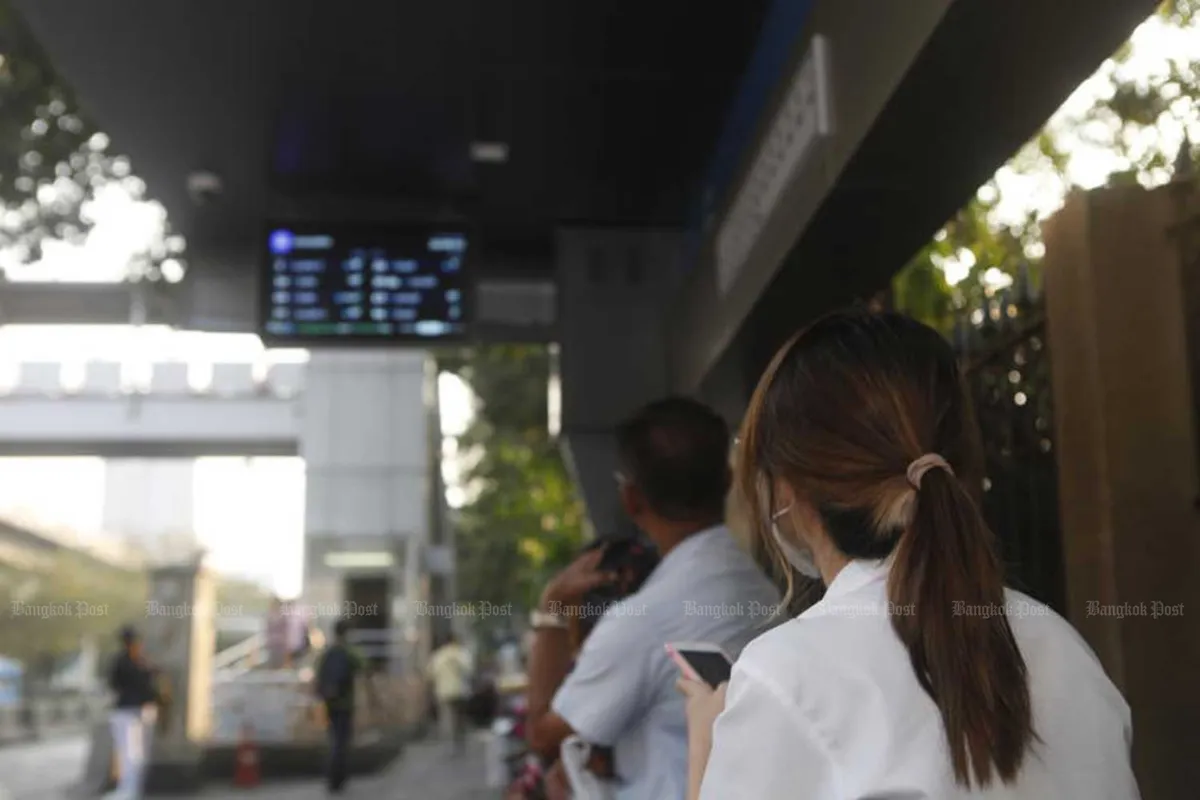
Young residents in Bangkok are increasingly vulnerable to mental health challenges, including depression, self-harm, and suicidal ideation, as they grapple with the city’s demanding pace and overwhelming traffic congestion. Experts highlight a growing concern that the unique stressors of urban living in the Thai capital are taking a significant toll on the psychological well-being of its youth.
The Urban Grind: A Breeding Ground for Stress
Bangkok, a bustling metropolis known for its vibrant energy, also presents a formidable environment for its inhabitants, particularly the younger generation. The constant rush, long commutes, and the sheer density of city life contribute to a pervasive sense of pressure. For young people navigating crucial developmental stages, these external factors can exacerbate existing vulnerabilities or trigger new mental health concerns.
The daily reality of navigating Bangkok’s notorious traffic is more than just an inconvenience; it’s a significant source of stress. Hours spent in gridlock can lead to frustration, anxiety, and a feeling of lost time, impacting overall mood and mental resilience. This, coupled with the high expectations often placed on young adults in a competitive urban setting – whether in education, career, or social life – creates a potent mix that can be detrimental to mental health.
Academic and Career Pressures
The pursuit of academic and professional success in a city like Bangkok often involves intense competition. Young people may feel immense pressure to perform exceptionally well, leading to burnout, anxiety disorders, and a fear of failure. The constant comparison with peers, amplified by social media, further intensifies these feelings, making it difficult for them to maintain a healthy perspective on their achievements and setbacks.
Social Isolation Amidst Crowds
Paradoxically, despite being surrounded by millions, many young people in Bangkok can experience profound social isolation. The fast-paced lifestyle leaves little time for meaningful social connections. Furthermore, the anonymity of a large city can make it challenging to build a strong support network. This lack of genuine connection can lead to feelings of loneliness, depression, and a sense of not belonging, which are critical risk factors for mental health issues.
Recognizing the Warning Signs
Mental health professionals emphasize the importance of recognizing the signs of distress in young people. These can manifest in various ways, including:
- Persistent sadness or irritability
- Loss of interest in activities once enjoyed
- Changes in sleep patterns (insomnia or excessive sleeping)
- Changes in appetite or weight
- Fatigue and lack of energy
- Difficulty concentrating
- Feelings of worthlessness or excessive guilt
- Increased anxiety or panic attacks
- Withdrawal from social interactions
- Engaging in risky behaviors
- Expressing thoughts of self-harm or suicide
It is crucial for parents, educators, and peers to be aware of these indicators and to approach young individuals who may be struggling with empathy and support.
The Role of Traffic and Urban Design
The physical environment of Bangkok plays a significant role in the mental well-being of its residents. The extensive time spent commuting in heavy traffic is not merely a logistical challenge but a psychological burden. Studies on urban stress suggest that prolonged exposure to traffic congestion can lead to increased aggression, anxiety, and reduced cognitive function. The lack of accessible green spaces and opportunities for relaxation within the densely populated urban core further compounds these issues, limiting avenues for stress relief.
Seeking and Providing Support
Addressing the mental health crisis among Bangkok’s youth requires a multi-faceted approach. This includes:
- Promoting Mental Health Awareness: Educating young people, families, and communities about mental health is vital to reduce stigma and encourage help-seeking behavior.
- Accessible Mental Healthcare: Ensuring that mental health services are affordable, readily available, and tailored to the needs of young people is paramount. This includes school-based counseling and community mental health centers.
- Building Resilience: Equipping young individuals with coping mechanisms and stress management techniques can help them navigate the challenges of urban living more effectively.
- Community Support: Fostering supportive environments in schools, workplaces, and neighborhoods can provide a crucial safety net for those experiencing difficulties.
- Urban Planning Considerations: Incorporating mental well-being into urban planning, such as creating more green spaces, promoting walkability, and improving public transportation to reduce commute times, could have long-term positive impacts.
The Urgency of Intervention
The escalating rates of depression and suicidal behavior among young people in urban centers like Bangkok underscore the urgent need for intervention. Proactive measures and accessible support systems are essential to safeguard the mental health of the next generation. By acknowledging the unique pressures of city life and implementing targeted strategies, Bangkok can work towards creating a more supportive and mentally healthy environment for its youth.
Conclusion: A Call for a Healthier Urban Future
The challenges faced by young people in Bangkok are a stark reminder that the rapid pace and inherent stresses of urban life can have profound consequences on mental well-being. Recognizing the interplay between environmental factors like traffic and the psychological pressures of modern living is the first step. By prioritizing mental health awareness, ensuring access to care, and fostering supportive communities, Bangkok can strive to mitigate these risks and cultivate a healthier future for its youth, transforming the urban landscape from a source of stress into a place where young individuals can thrive.
