

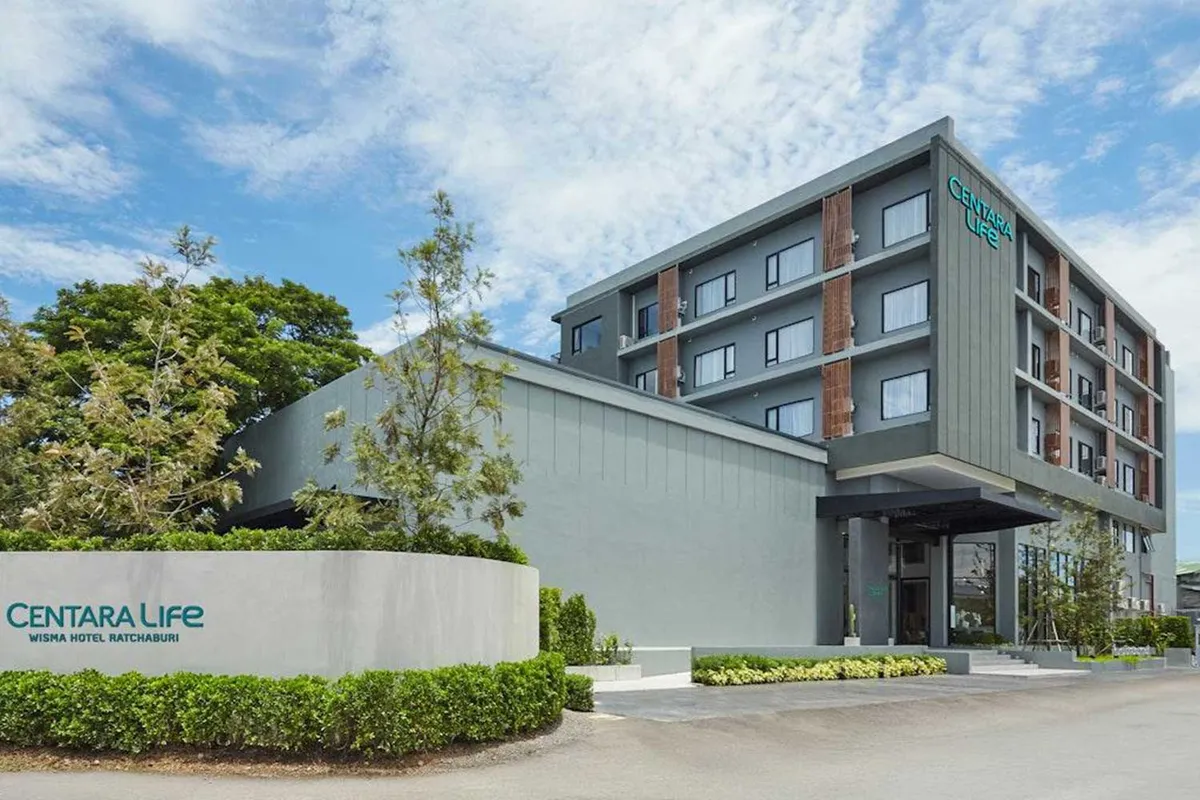
Centara Hotels and Resorts is strategically focusing its expansion efforts on second-tier cities across Thailand, identifying significant growth potential beyond the traditional major tourist hubs. This new direction is fueled by a growing demand for both leisure and business accommodations in these emerging urban centers, supported by increasing investments in local infrastructure and attractions.
Identifying Growth Opportunities in Emerging Markets
The hospitality giant has pinpointed several secondary cities as prime targets for future development. These locations, while not as globally recognized as Bangkok or Phuket, are experiencing a surge in economic activity and visitor numbers. Centara’s strategy involves leveraging the unique appeal of these cities, which often offer a more authentic cultural experience and a less crowded atmosphere compared to established destinations.
A key example of this focus is the province of Ratchaburi. Centara acknowledges a robust demand within Ratchaburi for hospitality services that cater to a diverse range of travelers. This demand is not only driven by the province’s inherent appeal for leisure tourism, with its natural landscapes and cultural heritage, but also by a rising need for business travel facilities. The development of new event spaces and recreational amenities within these cities is a significant catalyst, attracting both domestic and international visitors for conferences, festivals, and leisure activities.
Ratchaburi: A Microcosm of Expansion Potential
Ratchaburi, situated west of Bangkok, presents a compelling case study for Centara’s expansion strategy. Historically known for its pottery and agricultural products, the province is increasingly diversifying its economy and tourism offerings. Recent developments, such as the establishment of new convention centers and the enhancement of existing tourist attractions like Damnoen Saduak Floating Market and the scenic Khao Krajome, are drawing a greater volume of visitors.
Centara’s interest in Ratchaburi highlights a broader trend in the hospitality industry: the recognition that significant untapped markets exist in cities that are rapidly developing their infrastructure and appeal. These locations often benefit from lower operational costs and a more engaged local community, providing a fertile ground for new hotel developments and expansions.
Drivers of Demand in Second-Tier Cities
Several factors are contributing to the increasing demand for hotel accommodations in these secondary urban centers:
- Leisure Tourism Growth: As travelers seek more authentic and less congested experiences, second-tier cities offer unique cultural immersion, natural beauty, and local attractions that appeal to a discerning tourist market.
- Business Travel Expansion: Local economic growth, the establishment of new industries, and the development of MICE (Meetings, Incentives, Conferences, and Exhibitions) facilities are driving a significant increase in business-related travel.
- Event Tourism: The hosting of new festivals, sporting events, cultural celebrations, and corporate gatherings acts as a powerful draw, requiring adequate accommodation to support attendees.
- Infrastructure Development: Investments in transportation networks, including improved road access and potentially new airports or rail links, make these cities more accessible and attractive for visitors.
- Government Support: Local and national government initiatives aimed at promoting regional development and tourism often include incentives for businesses to invest in these areas.
Centara’s Strategic Approach
Centara Hotels and Resorts plans to adapt its offerings to suit the specific needs of each target city. This involves not only building new properties but also potentially renovating and rebranding existing hotels to align with Centara’s brand standards and service ethos. The company aims to provide a consistent level of quality and service that guests have come to expect from the Centara brand, while also incorporating local elements to enhance the guest experience.
The company’s expansion into second-tier cities is a calculated move to diversify its portfolio and tap into new revenue streams. By identifying and capitalizing on the burgeoning demand in these markets, Centara aims to strengthen its position as a leading hotel operator in Thailand and the wider region. This strategy is expected to contribute to the economic development of these cities by creating jobs, supporting local businesses, and enhancing the overall tourism landscape.
Future Outlook
The focus on second-tier cities represents a forward-thinking approach by Centara Hotels and Resorts. As major cities become increasingly saturated, identifying and developing these emerging markets is crucial for sustained growth. The company’s commitment to these locations suggests a long-term vision that aligns with Thailand’s broader goals of regional development and balanced tourism distribution. The success of this strategy in cities like Ratchaburi could pave the way for further expansion into similar urban centers across the country and potentially beyond.
