

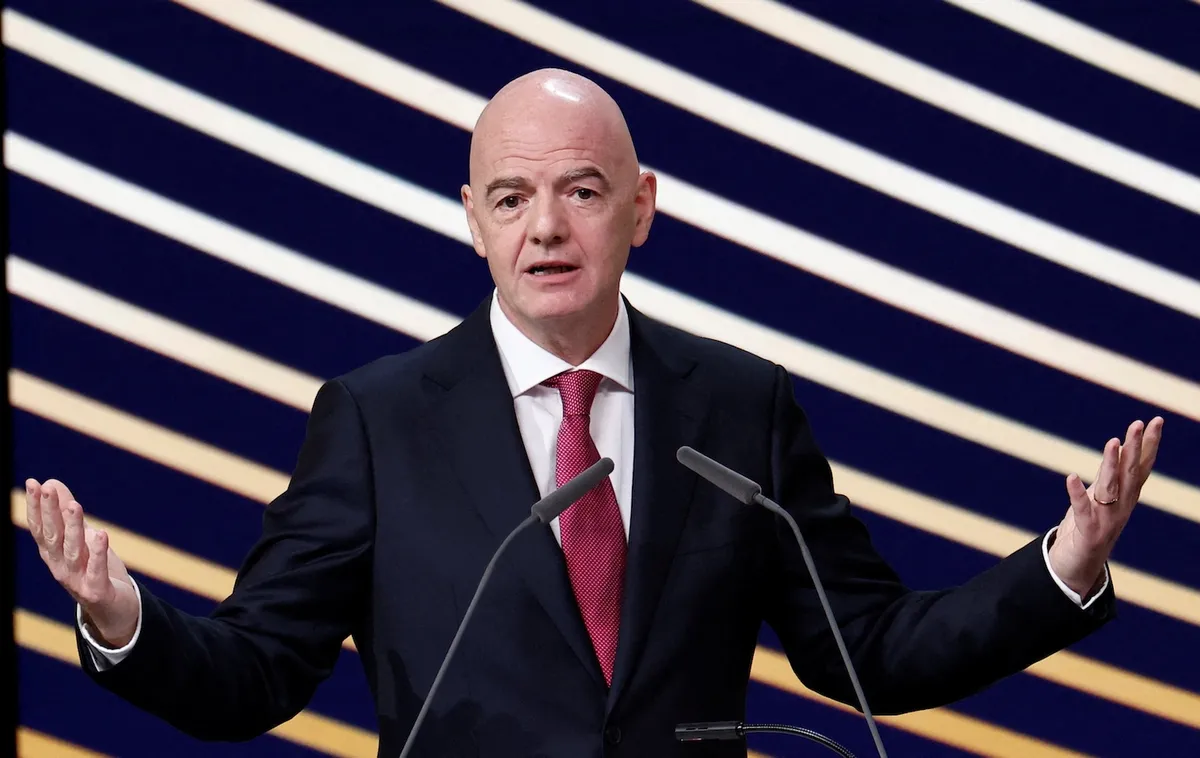
Fifa, the global governing body for football, has officially abandoned its ambitious plan to sell a significant stake in its commercial arm following a wave of intense criticism and backlash from key stakeholders. The decision comes just days after the proposal was unveiled, signaling a major U-turn for the organization.
Fifa’s Proposed Share Sale and Its Objectives
The controversial plan, revealed earlier in the week, aimed to raise up to $4.2 billion by divesting approximately 20% of its commercial operations. This would have valued a newly created entity at an estimated $20 billion. Fifa had intended for this subsidiary, tentatively named Fifa Forward Enterprise (FFE), to manage commercial rights for major events like the World Cup and other tournaments. The organization maintained that the deal did not involve selling the sport itself but rather a stake in the enterprise responsible for its commercial ventures.
Under the proposed terms, Fifa had offered each of its member associations $40 million, contingent on their agreement to the plan by a September 19 deadline. This financial incentive was presented as a way to secure broad support for the initiative.
Immediate and Fierce Opposition
The proposal encountered immediate and strong resistance, most notably from UEFA, the governing body for European football. UEFA accused Fifa of jeopardizing the integrity of the sport by considering such a sale, stating it was akin to putting football’s “soul” up for auction. The sentiment was echoed by other continental confederations, including the Asian Football Confederation (AFC) and federations from North America and the Caribbean, all of whom condemned the move.
The backlash escalated dramatically when UEFA’s 55 member nations convened and unanimously voted to boycott all Fifa tournaments. This significant decision, which includes the prestigious World Cup, came as a shock, particularly given Spain’s recent triumph as world champions.
Internal Dissent and Resignations
The internal pressure on Fifa’s leadership also mounted. Carlos Cordeiro, a senior advisor to Fifa President Gianni Infantino, resigned from his position in protest against the share-sale plan. Furthermore, reports emerged citing Fifa’s Chief Operating Officer, Kevin Lamour, who allegedly described the proposal as a “project of one person” and claimed that staff felt “deceived” by Infantino.
Fifa President’s Statement and Withdrawal
In response to the overwhelming opposition, Fifa President Gianni Infantino issued a statement on Friday evening acknowledging the divisions the plan had created. “Having listened carefully to all the views, it has become clear that the project has created divisions of a nature that, regardless of the level of support, are no longer in the interest of the objective set out in the first place,” Infantino stated. He emphasized that the organization would not proceed without the support of a majority of its member associations.
The New York Post, citing four sources close to the matter, was among the first to report that the deal was no longer active. This report preceded Fifa’s official confirmation of the plan’s withdrawal.
Investor Group and Key Figures
The proposed investor group was reportedly set to be led by Thrive Eternal, a fund managed by Thrive Capital. Thrive Capital was founded by Joshua Kushner, who is also the brother of Jared Kushner, a former senior advisor to U.S. President Donald Trump. While Fifa had initially presented the plan, the intense criticism and subsequent withdrawal have put an end to this potential partnership.
Broader Implications for Football Governance
The aborted share sale highlights the ongoing tension between commercialization and the traditional governance of international sports. While governing bodies like Fifa often seek innovative revenue streams to fund development and operations, proposals that are perceived to commercialize the core assets of the sport can face significant resistance from established footballing authorities and fans alike. The swift and unified opposition from UEFA and other confederations underscores the importance of consensus-building and transparency in major strategic decisions within global sports organizations.
Fifa’s decision to back down demonstrates a willingness to heed the concerns of its member base, albeit after facing considerable pressure. The future direction of Fifa’s commercial strategy will likely be closely watched, with a renewed emphasis on stakeholder consultation expected in the wake of this episode.
