

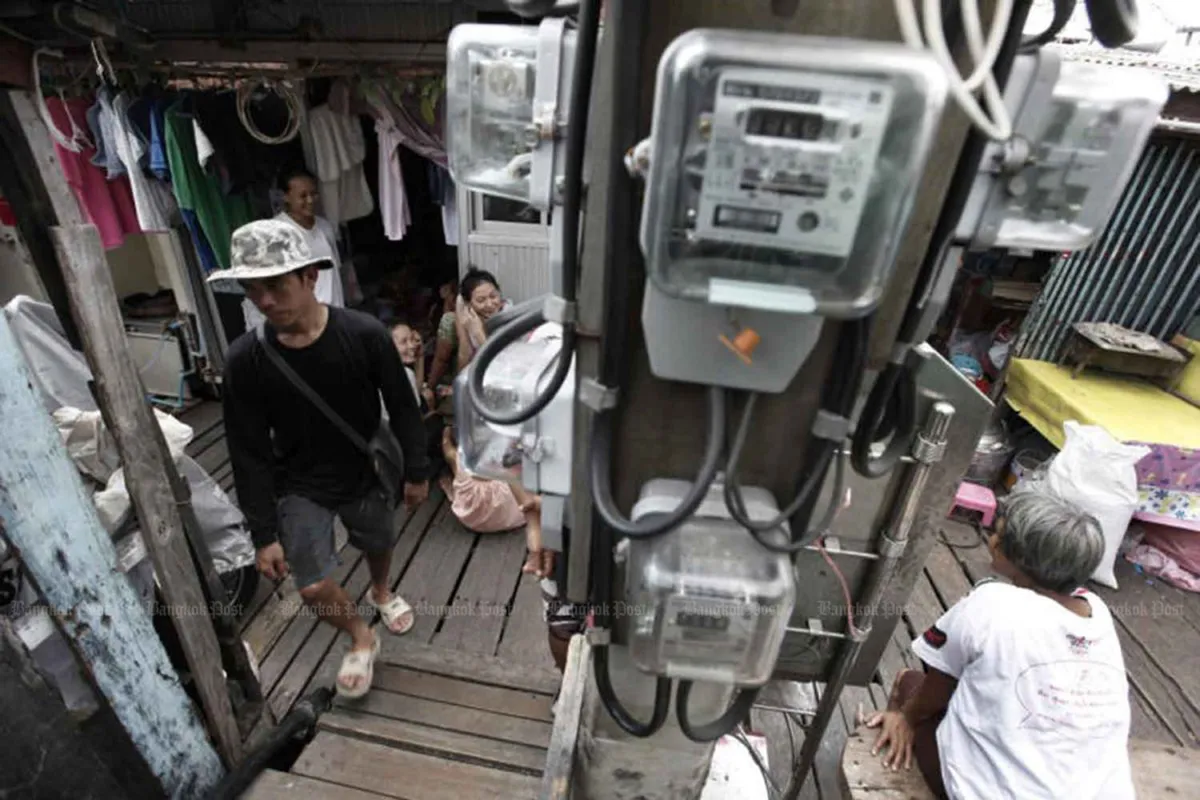
Thai households are set to benefit from reduced electricity costs following a decision by the National Energy Policy Council (NEPC). The NEPC, chaired by Prime Minister Anutin Charnvirakul, approved several measures aimed at easing the financial burden on consumers and promoting clean energy. Key among these changes is a significant reduction in the electricity tariff for residential users and the removal of street lighting charges from household bills.
Reduced Electricity Rates for Households
Effective soon, households will see a new flat rate of 3 baht per kilowatt-hour (kWh) applied to the first 200 units of electricity consumed each month. This represents a notable decrease from the current rate of 3.95 baht per kWh. For a typical medium-sized household, which often uses around 400 units per month due to appliances like air conditioners, this adjustment is expected to lead to substantial savings.
Street Lighting Charges Removed from Bills
In a move that has surprised many, the charge for street lighting, which has been included in household electricity bills for approximately 40 years, will be eliminated. Previously, this charge added about 0.10 baht per unit to monthly bills. The government has committed to finding alternative funding sources to cover these public lighting costs.
New Funding Mechanisms for Public Lighting
Deputy Interior Minister Polapee Suwanchwee, who oversees the Provincial and Metropolitan electricity authorities, announced that the government is exploring new revenue streams. One proposed source is the revenue generated from electricity tariffs specifically designed for future data centre investments. This approach aims to ensure that the costs associated with public services, such as street lighting, do not fall upon ordinary households.
Process for Tariff Implementation
The resolutions made by the NEPC will be forwarded to the Energy Regulatory Commission (ERC) for further action. The ERC is mandated to conduct a 15-day public consultation period. This process will involve the country’s three major state electricity utilities to gather feedback and ensure transparency before the new tariff rates are finalized and implemented.
Data Centre Tariffs and Investment Considerations
The proposed tariffs for data centres are designed not only to cover the costs of public electricity services, estimated at 18 billion baht annually, but also to ensure these large consumers contribute fairly. The specific proposal for data centre tariffs will be submitted to the cabinet for final approval, with the aim of having these new rates in effect for the August billing cycle.
Addressing Potential Funding Gaps
In scenarios where revenue from data centres might not fully cover the costs of public lighting, officials have indicated that other mechanisms will be employed. Mr. Polapee stated that the Metropolitan Electricity Authority (MEA) and the Provincial Electricity Authority (PEA) would investigate ways to absorb remaining costs through profits generated from their various operational activities. Additionally, the Electricity Generating Authority of Thailand (EgAT) is expected to share in this responsibility. The precise allocation model and proportions are still under discussion with the ERC, with a clear commitment that the public will not bear this additional financial burden.
