

Major Thai energy companies are strategically divesting from Western power generation assets, a move that industry analysts suggest is not a retreat from international markets, but rather a calculated portfolio optimization for a low-carbon future and increased renewable energy exposure. Electricity Generating Plc (Egco), Banpu Power Plc, and BCPG Plc, the power generation arm of Bangchak Corporation, are all undertaking significant asset sales.
Portfolio Rebalancing Amidst Energy Transition
Over the past few years, leading Thai energy firms have been actively refining their portfolios through asset monetization and recycling, resulting in substantial sales of power plant shares. Analysts explain that these divestments are driven by a strategic reshaping of portfolios during the global energy transition, rather than an abandonment of markets.
The motivations behind these power plant sales have evolved. Previously, sales were often necessitated by a need for cash, debt reduction, or the natural conclusion of a project’s high-return phase. Currently, many companies are selling to reallocate funds toward faster-growing businesses, to prepare for a high-interest rate environment, to reduce exposure to fossil fuel-heavy portfolios, and to capitalize on the burgeoning artificial intelligence data center market, which demands significant electricity and water resources.
Direct Power Purchase Agreements and Data Centers
Power plant investors are also positioning themselves as renewable energy suppliers, entering the initial phase of a direct power purchase agreement (PPA) scheme. This initiative aims to directly supply clean power to data centers.
Authorities are reportedly preparing to pilot this direct PPA scheme, which will circumvent existing Thai restrictions on peer-to-peer power trading. This will facilitate cleaner electricity purchases for data center operators. Analysts anticipate numerous future phases of direct PPA development, as the digital business landscape expands beyond data centers to encompass semiconductors and related sectors.
Furthermore, businesses are keen to participate in greenhouse gas emission reduction projects, particularly in light of the European Union’s Carbon Border Adjustment Mechanism, which is now in effect.
Key Asset Sales Signal Strategic Shifts
BCPG, Banpu Power, and Egco have all demonstrably shifted their investment strategies, signaling significant changes within the energy sector.
BCPG’s Divestment in the US
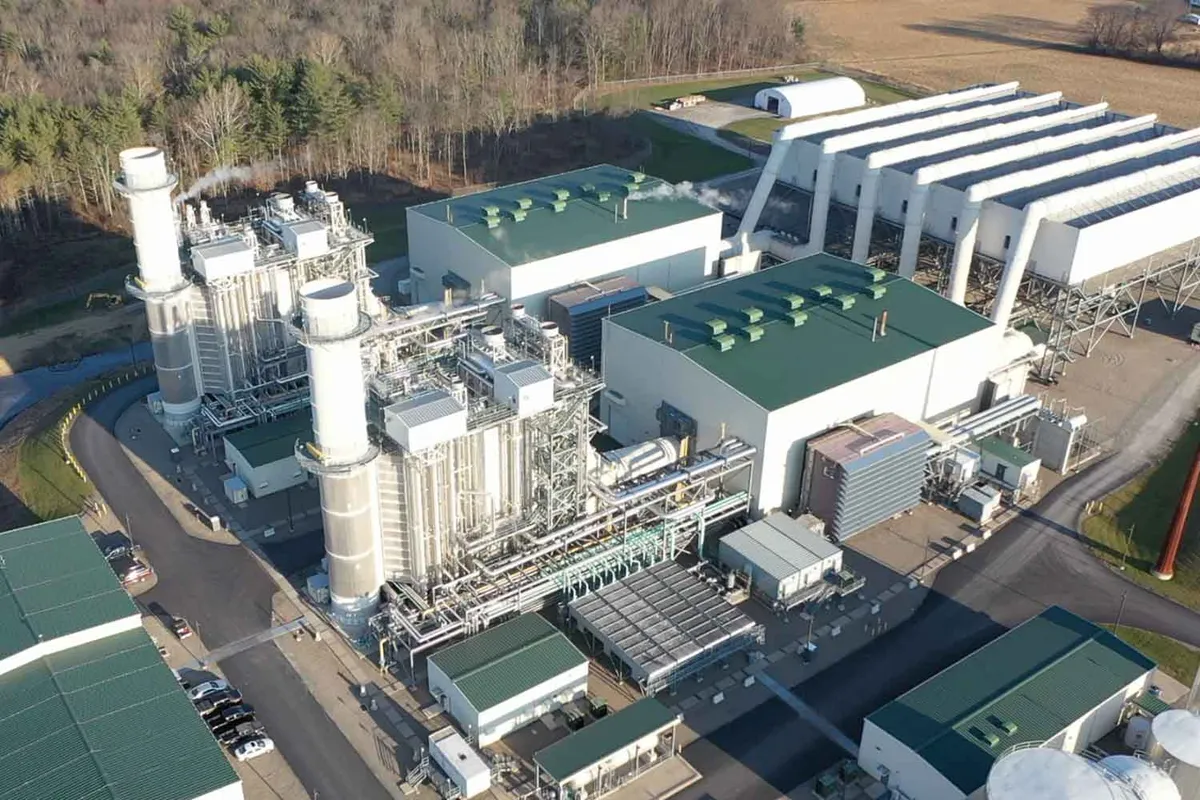
On May 28, BCPG announced a revision to its investment plan concerning the Hamilton gas-fired power generation facilities in Pennsylvania, USA. The company stated that other shareholders, who collectively hold a 75% stake, had invoked a legal agreement requiring BCPG to sell its shares if they decided to sell theirs. This stipulation, known as “drag-along rights” under Delaware law, obligated BCPG to sell its shareholding to a third-party buyer alongside the majority owners.
The sale generated substantial capital, which BCPG intends to reinvest in its Asian smart energy and technology portfolio. Rawee Boonsinsukh, president and chief executive of BCPG, stated that the proceeds will support strategic investments in clean energy and related infrastructure, facilitate loan repayment, and bolster working capital for sustainable long-term growth.
Banpu Power’s Texas Asset Sale
In February, Banpu Power, currently in the process of merging with its parent company, finalized the divestment of a 25% stake in the Temple I and Temple II gas-fired power plants located in Texas. This stake was sold for approximately US$230 million.
Issara Niropas, chief executive of Banpu Power, indicated that the transaction was aimed at positioning the company as a leader in utility-scale power and integrated businesses, supporting the energy transition. While Banpu Power did not specify its clean energy project investments, industry observers note that clean energy development aligns with the company’s strategic vision.
Egco’s Green Infrastructure Investment
Early last year, Egco strategically converted asset recycling into green infrastructure by selling its 49% stake in the Rhode Island State Energy Center. This entity operates a 609-megawatt gas-fired facility in the United States. The divestment occurred when the stock price was at a high, coinciding with peak electricity demand and full operational capacity, thereby securing substantial profits for Egco.
Egco utilized these funds to advance its “Power 4” corporate strategy, which deliberately moves away from fossil fuel infrastructure and redirects capital into high-growth, low-carbon technologies. The company is actively exploring utility-scale battery energy storage systems, small modular reactor technology, and advanced renewable developments, spearheaded by its US clean energy subsidiary, Apex Clean Energy.
