

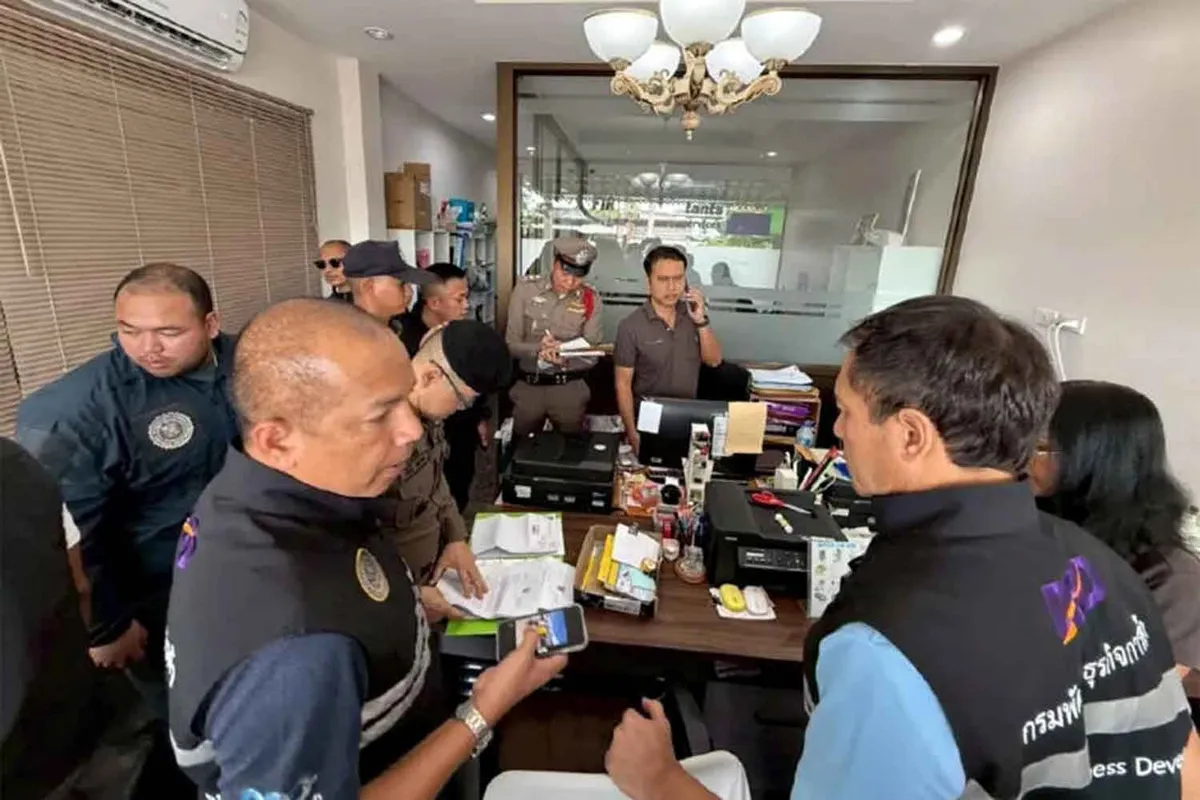
Thailand is intensifying its efforts to combat the long-standing issue of nominee shareholding, a practice that authorities believe distorts market competition and unfairly disadvantages legitimate businesses operating within the country. The Department of Business Development (DBD) has reported a significant increase in the number of companies identified as being at risk of such arrangements, a trend that has been escalating over the past two decades.
Understanding Nominee Shareholding in Thailand
Nominee shareholding occurs when a foreign national legally holds shares in a Thai company on behalf of another individual, often to circumvent foreign ownership restrictions. While not inherently illegal, the practice can be abused to mask the true ownership and control of businesses, potentially undermining fair competition and national economic interests. The DBD considers companies with foreign shareholdings ranging from a minimal 0.01% up to 49.99% as particularly vulnerable to nominee arrangements.
Escalating Concerns and Statistical Trends
The scale of the problem has grown considerably. Data indicates that the number of companies considered at risk of nominee arrangements surged from 523 in 1998 to a concerning 11,746 by 2025. As of June 23rd, a substantial 119,297 companies fell into the vulnerable category of having foreign shareholdings between 0.01% and 49.99%. This highlights the pervasive nature of the issue and the urgent need for stricter oversight.
Government Initiatives to Curb Nominee Practices
In response to these escalating concerns, the Thai government has implemented a series of stringent measures. Prime Minister Anutin Charnvirakul has directed the Ministry of Commerce to conduct a thorough review of business registrations involving foreign investors. This directive includes exploring potential amendments to existing laws and regulations to create a more robust framework for addressing nominee practices effectively.
Impact of Stricter Registration Requirements
The DBD has reported encouraging early results from its enhanced screening processes. Between January and May of this year, the number of newly registered companies identified as being at risk of nominee arrangements saw a reduction of over 65% when compared to the same period in the previous year. This decline is attributed to several key factors:
- Enhanced Scrutiny: Increased diligence in examining companies with foreign shareholders or directors.
- Investment Source Verification: New regulations mandate that businesses must rigorously verify the origins of their investment capital.
- Tighter Registration Procedures: Overall, the registration process has been made more rigorous, deterring potential misuse.
Inter-Agency Cooperation and Enforcement
A cornerstone of the government’s strategy is strengthened inter-agency collaboration. In April, the DBD formalized this commitment by signing a Memorandum of Understanding (MOU) with 23 different government agencies. This collaborative framework aims to streamline information sharing and coordinate enforcement actions.
Referrals for Investigation
Thousands of suspected nominee cases have been referred to relevant authorities for further investigation and action. These referrals include:
- Nearly 14,800 companies sent to the Revenue Department for comprehensive tax inspections.
- Over 17,500 companies referred to the Department of Lands to scrutinize property ownership records.
- More than 2,700 cases forwarded to police task forces for in-depth investigations into potential illicit activities.
- Over 2,200 cases are actively being pursued by specialized units such as the Economic Crime Suppression Division and the Department of Special Investigation.
Targeted Sector Inspections and Future Measures
To ensure a focused approach, authorities have conducted targeted inspections in 35 locations across 11 provinces since October of last year. These inspections concentrate on sectors identified as particularly vulnerable to nominee arrangements. These high-risk sectors include construction, tourism, real estate, accounting and legal services, restaurants, manufacturing, and steel trading.
Looking ahead, further enhancements to registration measures are anticipated. Following a period of public consultation, a new round of stricter registration requirements is expected to be implemented starting August 1st. These upcoming measures are designed to further fortify the regulatory framework and deter any attempts to circumvent foreign ownership laws through nominee structures.
Conclusion: Towards Fairer Market Competition
The intensified crackdown on nominee shareholding practices signifies Thailand’s commitment to fostering a more transparent and equitable business environment. By strengthening regulations, enhancing scrutiny, and promoting robust inter-agency cooperation, the government aims to level the playing field for all businesses operating in the Kingdom and safeguard its economic integrity.
