

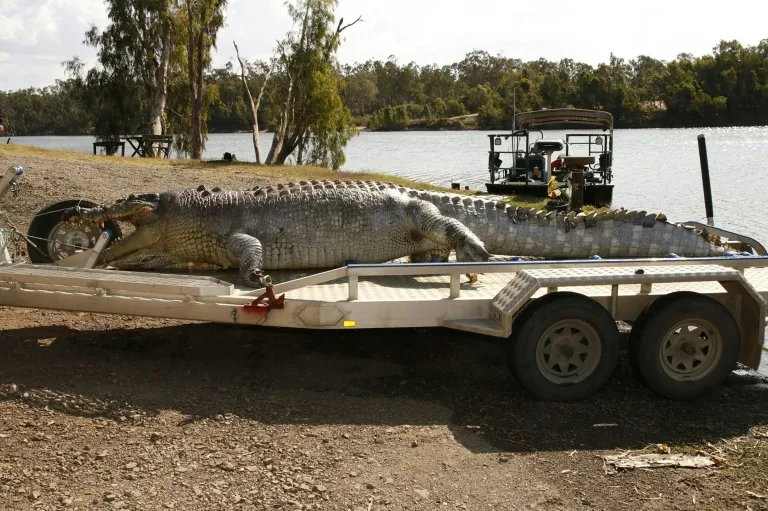
The Fitzroy River in Rockhampton, Queensland, has been officially approved as the venue for the 2032 Olympic rowing and canoe sprint events, despite ongoing concerns about its suitability, including its status as a saltwater crocodile habitat. The decision, confirmed by international sports federations and the Brisbane 2032 organizing committee, follows an independent assessment that deemed the river capable of hosting fair competition.
Venue Selection and Initial Concerns
Rockhampton, situated approximately 600 kilometers north of Brisbane (the main hub for the 2032 Games), was chosen for the rowing and canoe events. However, the selection immediately sparked controversy. The primary objections centered on the Fitzroy River’s technical specifications and the potential for uneven competition. The river is known to be susceptible to flooding and features strong currents, which could compromise the fairness of races. Additionally, a lack of adequate accommodation for athletes and spectators in the immediate vicinity presented logistical challenges.
These concerns led to a significant public outcry, with thousands of individuals signing a petition advocating for the events to be relocated to a purpose-built facility closer to Brisbane. The petition highlighted the perceived risks and logistical hurdles associated with using the Fitzroy River.
Independent Assessment and Governing Body Endorsement
To address the objections, an independent assessment was commissioned to thoroughly evaluate the Fitzroy River’s viability as an Olympic venue. This assessment examined critical factors such as river flow, water levels, and wind conditions, aiming to determine if the venue could meet the stringent requirements for Olympic and Paralympic competition.
The findings of this assessment were positive, declaring the river “fit for purpose.” Subsequently, the venue received endorsement from key governing bodies, including World Rowing and Paddle Worldwide (formerly the International Canoe Federation), alongside the Brisbane 2032 Olympic organizers. This multi-party approval signifies a collective confidence in the river’s capacity to host the events.
World Rowing’s Perspective
Jean-Christophe Rolland, President of World Rowing, emphasized that the decision was driven by a commitment to ensuring fair and equal conditions for all athletes. He stated that the request for a “thorough and robust” assessment was paramount. “Based on the extensive analysis undertaken, we now know that the Fitzroy River is capable of providing fair competition conditions during the period of the Games, consistent with the requirements of Olympic and Paralympic Rowing,” Rolland said in a statement. This indicates that the technical data gathered addressed the concerns regarding flow and current variability.
Paddle Worldwide’s Confidence
Thomas Konietzko, President of Paddle Worldwide, echoed Rolland’s sentiments, expressing equal enthusiasm for the approved venue. He highlighted the depth of the technical work undertaken, which has significantly enhanced the understanding of the playing field. “The quality and depth of the technical work undertaken has significantly improved our understanding of the field of play and provides confidence to us and our athletes that the course can deliver fair competition for Canoe Sprint athletes,” Konietzko remarked. His statement underscores the confidence that the course’s characteristics are well-understood and manageable for canoe sprint competitors.
Addressing the Crocodile Threat
While the independent assessment focused on technical and logistical aspects, it did not explicitly address the potential threat posed by saltwater crocodiles inhabiting the Fitzroy River. Officials have previously indicated that protocols will be established for reporting crocodile sightings during the Games. This approach suggests a reliance on existing wildlife management practices rather than a complete elimination of the perceived risk.
Andrew Liveris, President of Brisbane 2032, has previously downplayed the significance of the crocodile issue. Drawing a parallel to surfing despite the presence of sharks, Liveris urged a positive outlook. “There are sharks in the ocean and we’re still surfing… it’s a can do, not a can’t do, please change the mindset here,” he stated last year when questioned about the matter. This perspective frames the crocodile presence as a manageable environmental factor, consistent with other outdoor sporting events.
It is worth noting that while crocodiles are present in the Fitzroy River, they are reportedly more prevalent further north, and sightings in the Rockhampton area are described as occasional. This context suggests that the immediate threat level might be lower than perceived by some.
Moving Forward with Preparations
The endorsement of the Fitzroy River venue marks a significant step forward in the preparations for the 2032 Olympic Games. Liveris expressed gratitude for the collaboration with World Rowing and Paddle Worldwide, emphasizing the pace of ongoing preparations. “I thank both Jean-Christophe, Thomas and their teams for their expertise and collaboration as preparations continue at pace ahead of our Games in just under six years’ time,” he said. He further added that the approval provides crucial certainty as the organizing committee enters the next phase of venue planning and Games delivery. “The endorsement provides additional certainty as we move into the next phase of venue planning and Games delivery, ensuring all future design and operational work continues to focus solely on Rockhampton.”
This confirmation solidifies Rockhampton’s role in the 2032 Games and directs future planning and investment towards developing the necessary infrastructure and operational frameworks for the rowing and canoe sprint competitions on the Fitzroy River.
Conclusion
The decision to host Olympic rowing and canoe sprint events on the Fitzroy River in Rockhampton represents a complex balancing act between logistical and environmental considerations. Despite initial skepticism and concerns regarding flooding, currents, accommodation, and the presence of crocodiles, the venue has received the backing of international sports federations and the organizing committee based on a thorough technical assessment. The focus now shifts to detailed planning and execution, aiming to deliver a successful and fair competition for athletes while managing the unique environmental context of the chosen location.
