

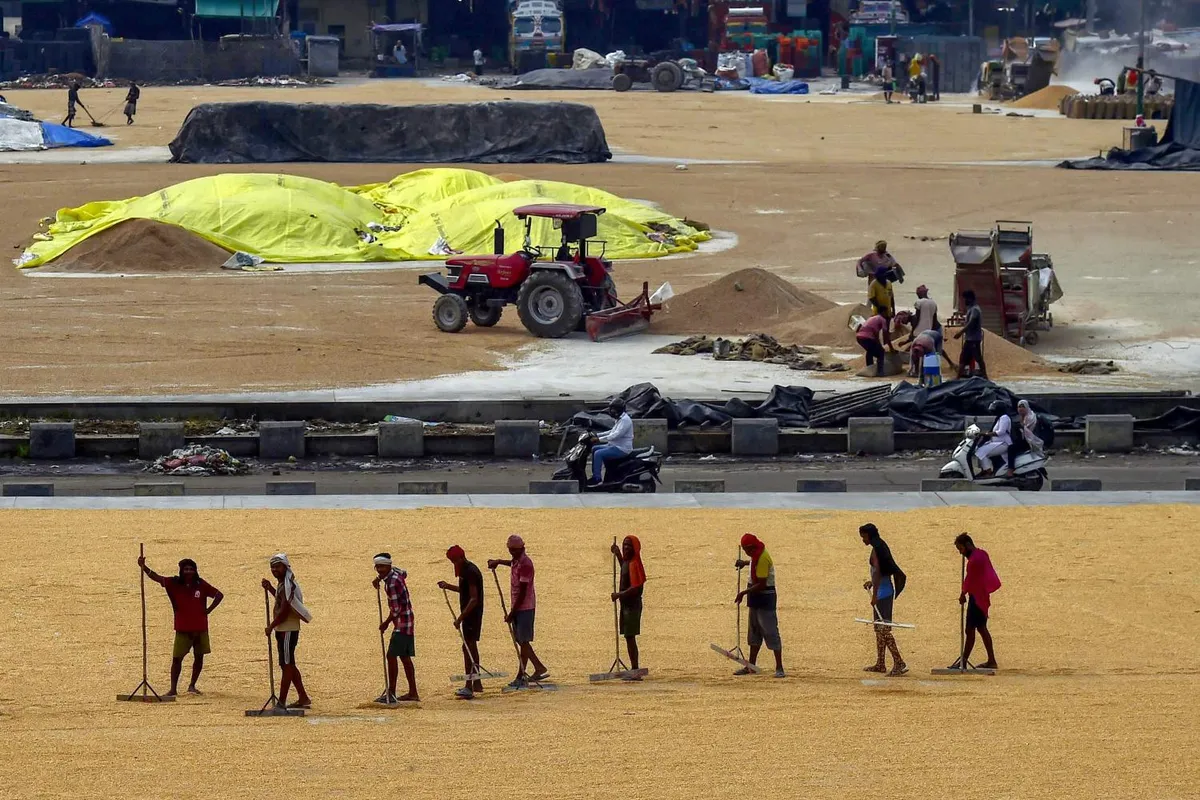
While the United States is experiencing a significant corn harvest, mirroring last year’s abundant yield, this apparent surplus belies a more precarious situation regarding global grain supplies. The world’s grain cushion, a critical buffer against shortages and price volatility, is notably thinner than in previous years, raising concerns among agricultural analysts and international bodies.
Declining Global Grain Stocks
Despite robust production in key agricultural regions like the U.S., overall global grain stockpiles have been steadily diminishing. This trend is attributed to a confluence of factors, including adverse weather conditions in several major producing nations, increased demand from a growing global population, and the ongoing impact of geopolitical events on supply chains. The depletion of these reserves means the world has less capacity to absorb unexpected production shortfalls, whether caused by drought, floods, or other climate-related disruptions.
Factors Contributing to the Tightening Supply
Several key elements are contributing to the shrinking global grain cushion:
- Adverse Weather Patterns: Unpredictable and extreme weather events, such as prolonged droughts in some areas and excessive rainfall in others, have hampered crop yields in various important agricultural regions across the globe. This has led to reduced harvests where significant stock replenishment was anticipated.
- Rising Global Demand: The world’s population continues to grow, increasing the overall demand for food and animal feed. This sustained demand puts consistent pressure on existing grain supplies, making it harder to rebuild reserves.
- Geopolitical Instability and Supply Chain Disruptions: Conflicts and trade disputes in key agricultural export or transit regions can disrupt the flow of grains to international markets. This not only affects immediate availability but also contributes to uncertainty, which can lead to hoarding or panic buying, further straining supplies.
- Increased Use for Biofuels: In some countries, a portion of grain production is diverted for the manufacturing of biofuels. While this serves energy policy goals, it directly reduces the amount of grain available for food and feed purposes, impacting overall supply availability.
Impact on Food Security and Prices
The erosion of global grain reserves poses significant challenges to food security, particularly in vulnerable nations that rely heavily on imported food supplies. When reserves are low, any disruption to production or supply chains can quickly lead to sharp increases in food prices. This can disproportionately affect low-income households, making essential food items unaffordable and potentially exacerbating hunger and malnutrition.
International organizations like the Food and Agriculture Organization of the United Nations (FAO) and the World Food Programme (WFP) closely monitor global grain stocks as a key indicator of potential food crises. A thinner cushion means a reduced capacity to respond to humanitarian emergencies and a heightened risk of price spikes that can destabilize markets.
Looking Ahead: Strategies for Resilience
Addressing the challenge of dwindling grain reserves requires a multi-faceted approach. Experts suggest several strategies to bolster global food security and build greater resilience into the agricultural system:
Promoting Sustainable Agricultural Practices
Encouraging farming methods that enhance soil health, conserve water, and adapt to changing climate conditions can help improve yields and reduce the impact of environmental stresses. This includes investing in research and development for climate-resilient crop varieties.
Strengthening Global Supply Chains
Efforts to diversify sourcing, improve logistics, and reduce trade barriers can help ensure a more stable and predictable flow of grains across borders. This also involves investing in infrastructure such as storage facilities and transportation networks.
Supporting Smallholder Farmers
Many of the world’s most food-insecure populations are supported by smallholder farmers. Providing them with access to better technology, financing, and markets can significantly boost local and regional food production.
Managing Demand and Diversifying Diets
Exploring alternative food sources and promoting dietary shifts away from grains where feasible can help alleviate pressure on staple crops. Additionally, policies aimed at efficient use of grains, particularly in animal feed and biofuel production, are crucial.
Conclusion
The current global grain supply situation, characterized by diminishing reserves despite strong harvests in some areas, underscores the fragility of the world’s food system. While the U.S. corn harvest offers a temporary bright spot, it is essential to look beyond individual crop yields and address the systemic factors contributing to the thinner global grain cushion. Proactive measures focusing on sustainable agriculture, resilient supply chains, and equitable access to food are vital to ensuring global food security in the face of mounting challenges.
