

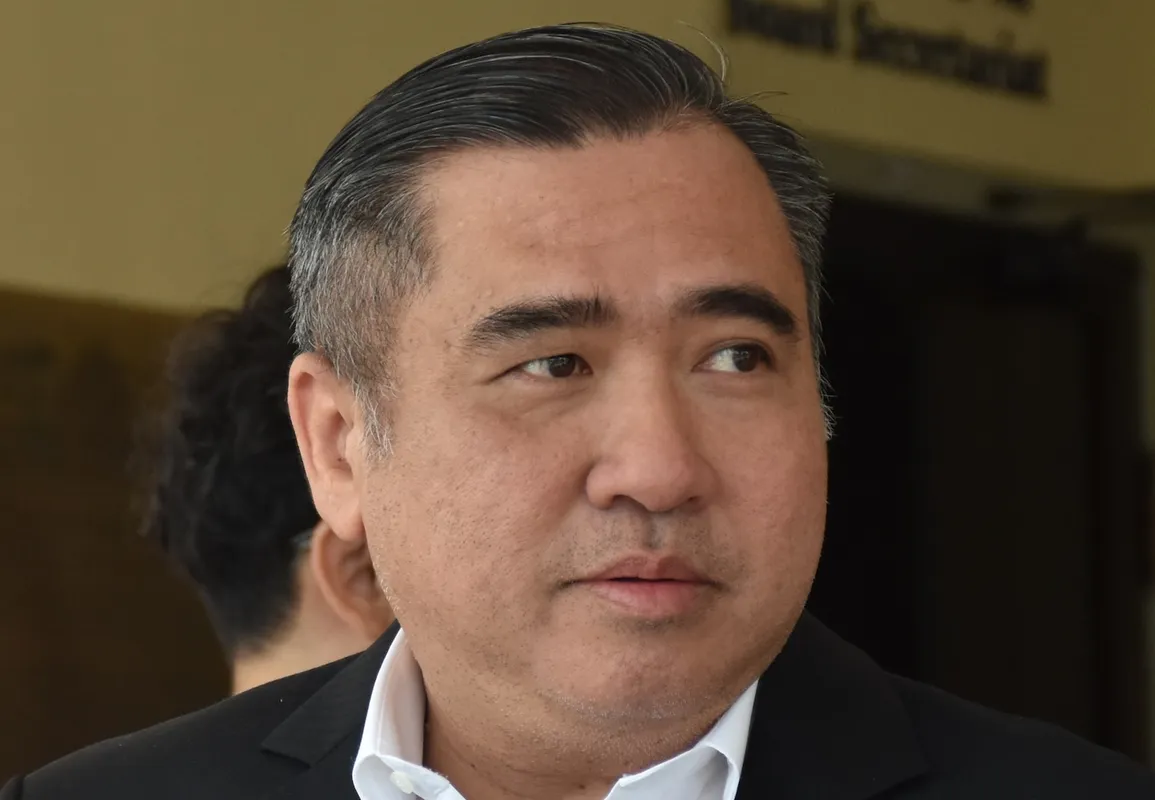
A Malaysian minister has resigned from his position in protest against the recent royal pardon granted to former Prime Minister Najib Razak. Anthony Loke, a leader within the Democratic Action Party (DAP), announced his departure from the cabinet, stating that the pardon was difficult for the party and many Malaysians to accept. The DAP, which is the largest component party in Prime Minister Anwar Ibrahim’s ruling coalition, has decided that its other ministers will remain in their posts to ensure political stability.
Najib Razak’s Pardon and Convictions
The King of Malaysia issued a second royal pardon to Najib Razak on Friday. This pardon allows him to serve the remainder of his prison sentence under house arrest. The decision comes four years after Najib’s conviction for his role in a multi-billion-dollar financial scandal linked to the state investment fund, 1Malaysia Development Berhad (1MDB).
Najib, who served as prime minister from 2009 to 2018, was found guilty of corruption related to the embezzlement of billions of dollars from 1MDB, a fund he co-founded. He has consistently maintained his innocence, asserting that he has been made a scapegoat for a complex international scheme that allegedly siphoned off as much as $4.5 billion, according to U.S. investigators. More than $1 billion of these illicit funds are reported to have ended up in accounts associated with Najib.
This is the second pardon Najib has received. In 2024, under the previous King, his 12-year sentence was reduced by half, and the associated fines were also lessened. Furthermore, Najib was convicted in a separate 1MDB-related case in December of the previous year. For that conviction, he received a 15-year prison sentence and a fine of $2.8 billion for charges of abuse of power and money laundering. He has appealed this particular conviction.
DAP’s Stance and Political Ramifications
Anthony Loke explained the party’s decision-making process, noting a three-hour discussion and debate among DAP leaders before reaching their conclusion. While expressing respect for the King’s prerogative to grant pardons, Loke emphasized the party’s significant reservations about the decision concerning Najib. The DAP holds 40 seats in the 222-member lower house of Parliament, making it the most substantial party within the Pakatan Harapan coalition.
The pardon could potentially exacerbate existing tensions within Prime Minister Anwar Ibrahim’s diverse government. Anwar’s Pakatan Harapan alliance had previously opposed any leniency for Najib. The Prime Minister himself acknowledged the potential for deepened rifts within his administration, suggesting he might consider calling an early general election if these divisions become too severe, although the next election is not constitutionally due until early 2028.
Following the pardon announcement, Anwar urged the public to accept the King’s decision with grace. He reiterated his government’s commitment to combating corruption, stating that Malaysia would not tolerate the actions of those involved in theft and graft. The current government, formed in 2022 through a coalition of Pakatan Harapan and the United Malays National Organisation (UMNO) after a hung parliament, has faced increasing strains. Internal disagreements, particularly regarding the treatment of Najib, have tested the alliance.
Coalition Dynamics and Electoral Performance
The coalition’s stability has been a subject of concern, with Anwar’s public approval rating reportedly declining. The Pakatan Harapan coalition experienced significant setbacks in state elections held in the two months preceding this event, losing to UMNO’s Barisan Nasional coalition in multiple contests. These electoral results raise questions about the coalition’s strength and its potential performance should an early general election be called.
Najib, despite his imprisonment, remains an influential figure within UMNO, a party that was once dominant in Malaysian politics and is now a key partner in Anwar’s government. The complex political landscape, marked by shifting alliances and internal dissent, highlights the challenges faced by Prime Minister Anwar Ibrahim in maintaining a cohesive and effective administration, especially in the wake of controversial decisions like the royal pardon for Najib Razak.
