

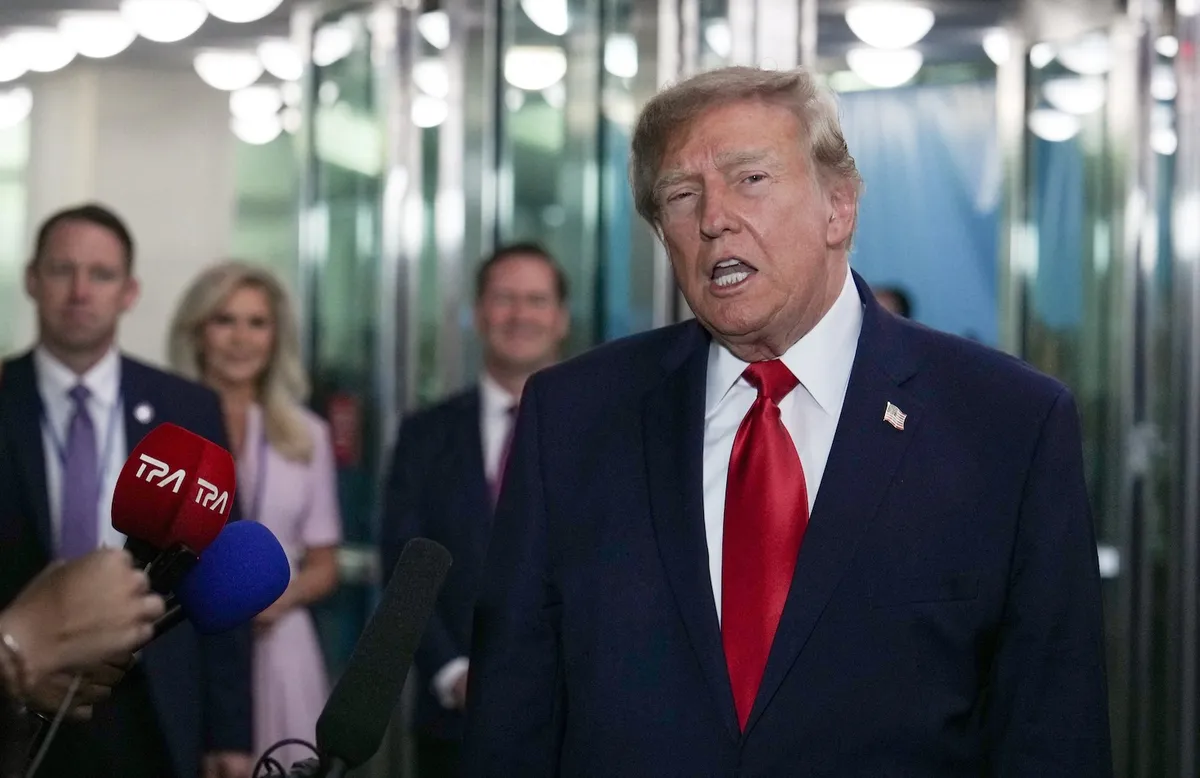
United Nations Headquarters, New York – Amid a backdrop of escalating global conflicts, climate emergencies, and burgeoning concerns over artificial intelligence, President Donald Trump is set to address the annual UN General Assembly. His remarks on Tuesday are anticipated to include a defense of the US-led war against Iran, a conflict that has significantly impacted global fuel prices and domestic political standing.
Trump’s UN Agenda: Sovereignty and Criticism
The President’s address is also expected to feature a critique of the United Nations itself. White House officials, speaking anonymously, indicated that Trump intends to highlight his administration’s efforts to safeguard US sovereignty against perceived overreach by international organizations and to counter what they describe as a “left-wing agenda” being advanced by these bodies.
This follows a pattern from his previous UN appearance, where Trump delivered a strong message, criticizing other nations for their policies on climate change and migration, famously stating that some countries were “going to hell.”
Broader Diplomatic Engagement
Trump’s participation in the General Assembly occurs during a period of intense diplomatic activity, marked by instability in the Middle East and the protracted war in Ukraine. Despite his stated efforts to broker peace in various global hotspots, the President faces a packed schedule of engagements following his speech.
He is slated to hold bilateral or group meetings with at least 11 world leaders. The confirmed list includes British Prime Minister Andy Burnham, Ukrainian President Volodymyr Zelensky, Venezuela’s interim leader Delcy Rodriguez, Danish Prime Minister Mette Frederiksen, and Greenland Prime Minister Jens-Frederik Nielsen. Additionally, representatives from the Gulf states—the United Arab Emirates, Saudi Arabia, Oman, Bahrain, Kuwait, and Qatar—are scheduled to meet with the President.
Further interactions are expected during a leaders’ reception, potentially bringing the total number of leaders Trump meets to dozens, even if only briefly. This extensive engagement underscores the administration’s focus on foreign policy during its tenure, a period characterized by the initiation of conflicts, reevaluation of long-standing alliances, and attempts to mediate numerous international disputes with varying degrees of success.
Focus on the Iran War and its Ramifications
The US-led war against Iran remains a particularly consequential aspect of the current geopolitical landscape. Its impact extends beyond regional security, contributing to global fuel price hikes and affecting Trump’s domestic approval ratings. With the upcoming November 3 midterm elections, the conflict presents a significant challenge for Republican candidates.
Recent polling data reflects these domestic pressures. A Reuters/Ipsos poll released Monday indicated that Trump’s approval rating had fallen to a record low of 32%, with a notable portion of Republicans expressing dissatisfaction with his handling of economic issues, including the cost of living.
Key Meetings and Strategic Objectives
Among the most closely watched sessions will be the seven-way meeting with Gulf leaders. Many of these nations are reportedly concerned about the recent territorial gains made by the Houthi movement, which is backed by Iran. The Houthis have seized significant territory in Yemen, launched attacks against US ally Saudi Arabia, and posed a threat to vital shipping lanes in the Bab el-Mandab Strait.
The President’s first meeting with Venezuela’s Delcy Rodriguez is also drawing considerable attention. Her rise to power occurred with the support of the Trump administration following the apprehension of President Nicolas Maduro on drug trafficking charges. While allies assert that the administration is working with Rodriguez to facilitate US investment in Venezuela’s oil sector, critics from both Democratic and Republican parties argue that insufficient pressure has been applied to encourage new elections in the South American nation.
Furthermore, discussions with the leaders of Denmark and Greenland are expected to culminate in an agreement aimed at bolstering the US military presence on the strategically important island. This accord also seeks to limit the influence of geopolitical rivals in the region. Danish and Greenlandic officials reportedly hope this agreement will address past statements by Trump suggesting a potential forceful acquisition of Greenland.
Broader Context of Global Instability
The President’s engagement at the UN takes place against a backdrop of widespread global instability. The ongoing conflict in Ukraine continues to be a major focus, with the President having previously expressed intentions to mediate a resolution. The complexities of these international challenges, coupled with domestic political considerations, shape the President’s agenda at this critical global forum.
The President’s participation in the General Assembly and his subsequent meetings are seen as pivotal moments for addressing both immediate crises and long-term strategic objectives. The outcomes of these discussions could have significant implications for international relations, regional security, and the global economy.
