

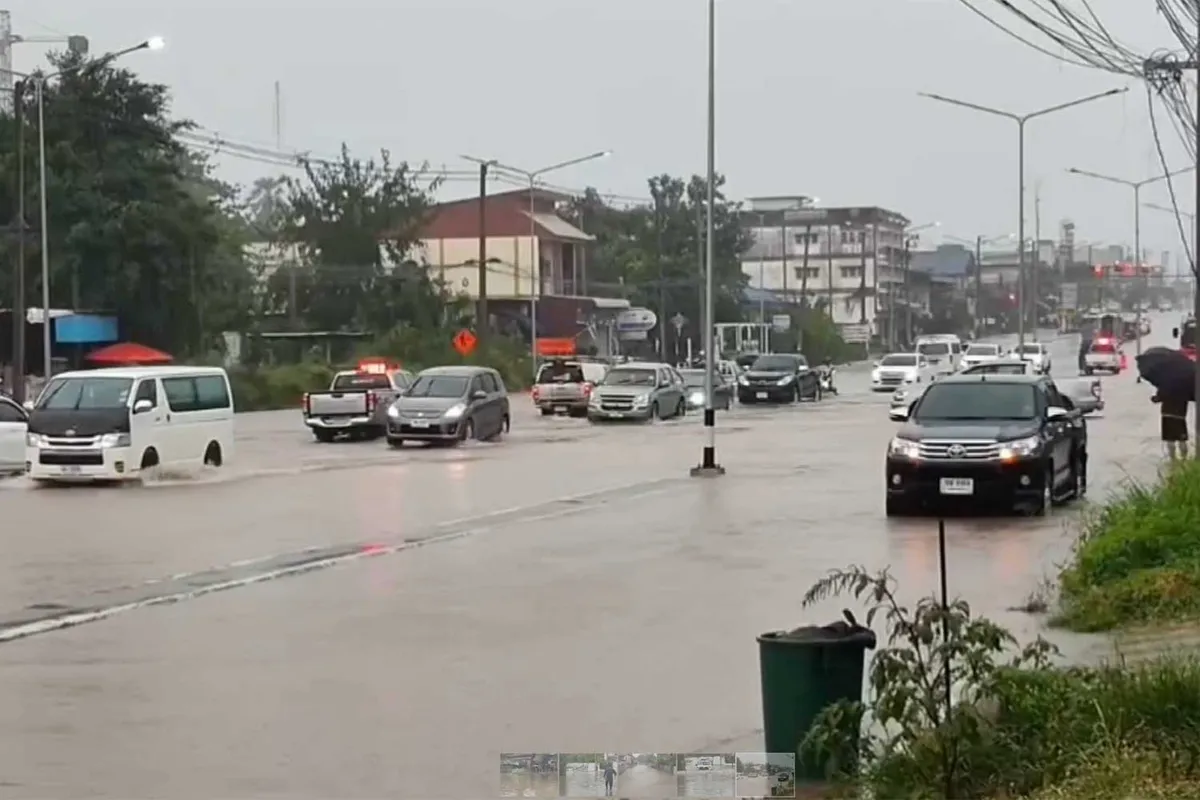
Residents across several key regions of Thailand are advised to prepare for significant rainfall, with the Meteorological Department issuing a forecast for heavy downpours from Monday through Saturday. The affected areas include the lower northern provinces, the lower northeastern region, the central plains encompassing Greater Bangkok, the eastern provinces, and the southern parts of the country. This widespread weather alert underscores the potential for disruptive conditions and necessitates vigilance among the public.
Understanding the Weather Pattern
The primary driver behind this forecast is a monsoon trough that is expected to persist over the central plains, the eastern region, and the lower northeastern provinces for the entire week. This atmospheric setup is conducive to prolonged periods of heavy rainfall, increasing the likelihood of localized flooding and related hazards.
Specific Regional Impacts and Precautions
The forecast highlights several areas that are particularly vulnerable to the anticipated heavy rain:
- Lower North: Provinces in the southern part of the northern region can expect substantial rainfall, potentially leading to increased river levels and overland flow.
- Lower Northeast: Similar conditions are predicted for the southern sections of the northeastern provinces, an area often susceptible to water accumulation during monsoon periods.
- Central Plains and Greater Bangkok: This densely populated and economically vital region, including the capital city, faces a significant risk of flash floods and urban inundation due to the monsoon trough’s direct influence. Drainage systems in urban areas may be overwhelmed.
- Eastern Provinces: The eastern coastal and inland areas are also under a heavy rain warning, which could impact transportation and local communities.
- Southern Regions: The southern parts of Thailand will experience heavy rainfall, potentially affecting both coastal and interior communities.
Alert for Flash Floods and Runoff
Authorities are urging residents, particularly those living near waterways and in low-lying areas, to remain on high alert for flash floods and runoff originating from elevated terrain. The rapid accumulation of water can pose a serious threat to life and property. Prompt and appropriate action can mitigate risks.
What are Flash Floods?
Flash floods are characterized by their sudden onset and rapid rise in water levels, often occurring with little to no warning. They are typically caused by intense rainfall over a short period, overwhelming natural drainage systems and urban infrastructure.
Understanding Runoff
Surface runoff refers to the water flow that occurs when the soil is saturated or unable to absorb all the precipitation. In hilly or mountainous areas, this runoff can quickly gain momentum, becoming a powerful force that can cause erosion and damage.
Broader Meteorological Context
The current weather pattern is indicative of the active monsoon season affecting Southeast Asia. Monsoon troughs are semi-permanent features during the rainy season, acting as corridors of low pressure that draw in moisture and generate significant precipitation. Their positioning and intensity dictate the severity and distribution of rainfall across affected countries.
The Meteorological Department continuously monitors these conditions and provides updates to ensure public safety. Citizens are advised to stay informed through official channels and heed any specific warnings or evacuation orders issued by local authorities.
Preparing for Heavy Rainfall
To prepare for the anticipated heavy rainfall and potential flooding, individuals and communities can take several proactive steps:
- Stay Informed: Monitor weather forecasts and official advisories regularly.
- Secure Property: Protect homes and businesses by clearing drainage channels, securing outdoor items, and preparing sandbags if in a flood-prone area.
- Emergency Kits: Assemble or check emergency kits containing essential supplies like water, non-perishable food, a flashlight, batteries, and a first-aid kit.
- Transportation Safety: Avoid unnecessary travel during heavy downpours. If travel is essential, be aware of road conditions and potential flood hazards. Never attempt to drive through flooded areas.
- Community Awareness: Discuss emergency plans with family members and neighbors, especially those who may need extra assistance.
Conclusion
The forecast for heavy rain across multiple regions of Thailand highlights the importance of preparedness and vigilance. By understanding the weather patterns, heeding official warnings, and taking necessary precautions, residents can better navigate the challenges posed by the approaching rainfall and mitigate potential risks to safety and property.
