

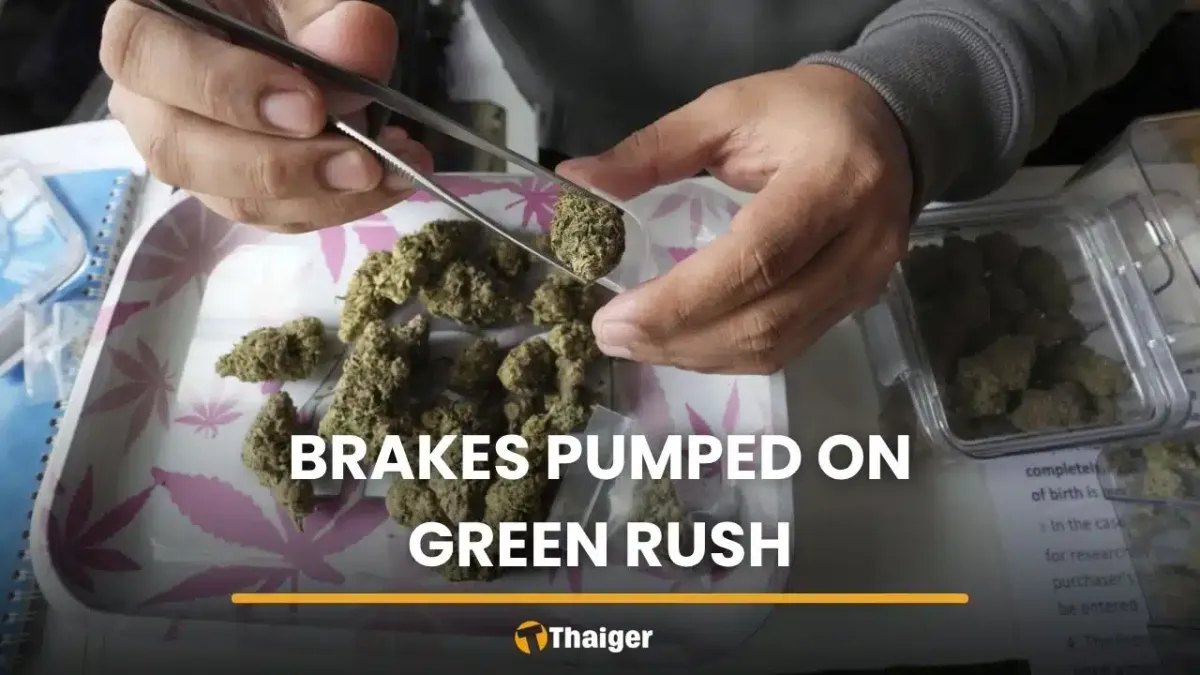
Thailand’s government is moving to establish a more controlled framework for its burgeoning cannabis industry, with the Cabinet approving a new bill aimed at regulating cultivation, sales, and usage. The draft legislation, which will now proceed to the House of Representatives for debate, seeks to replace the current, less defined regulatory landscape with a comprehensive national system focused on medical applications and stricter oversight.
Comprehensive Cannabis Control Bill Approved
The proposed cannabis control bill, greenlit by the Cabinet on September 22, introduces a series of measures designed to bring order to a market that has expanded rapidly since cannabis was decriminalized. Public Health Minister Pattana Promphat outlined key provisions, emphasizing the need for registration for all cannabis farms based on size and location. This registration system is intended to enable authorities to track crop origins, monitor quality, and ensure that only approved products enter the market.
Under the draft legislation, obtaining licenses will become mandatory for various stages of the cannabis supply chain, including cultivation, production, import, export, and retail sales. These licenses are generally proposed to have a validity period of three years. The ministry stated that the overarching goal is to transition from the current fragmented regulations to a unified, nationwide system.
Restrictions on Sales and Promotion
A significant aspect of the bill involves restricting who can purchase cannabis and where it can be sold. The legislation proposes prohibiting sales to individuals under the age of 20, as well as to pregnant and breastfeeding women. Furthermore, sales would be banned in sensitive locations such as schools, temples, dormitories, and public parks. The bill also includes provisions to outlaw the advertising and promotion of cannabis products, including flower, resin, and related smoking paraphernalia.
The core focus of the proposed legislation is to center cannabis use around medical treatment and health-related applications. Research into cannabis will also be permitted, provided it adheres to conditions stipulated by law. Violations of these regulations, such as unlicensed production, import, export, or sale, and sales to prohibited groups, could result in severe penalties, including imprisonment and substantial fines. Misuse of cannabis outside of permitted purposes may also lead to fines.
Phasing Out Existing Dispensaries
For the thousands of cannabis dispensaries currently operating, a significant transition is already underway, driven by regulations introduced earlier this year. Minister Pattana indicated that existing shop licenses, which are typically valid for three years, will expire progressively between 2026 and 2028. Businesses wishing to continue operations beyond these dates will be required to meet new, more stringent standards. These include operating as medical facilities, necessitating the presence of an authorized health practitioner and dispensing cannabis strictly under medical prescriptions.
The Ministry of Public Health has reported that approximately 12,000 cannabis outlets were still active nationwide. As their current permits lapse, conventional street-front shops that cannot comply with the new medical facility requirements will face a critical decision: either adapt their business model to meet the stricter standards or cease cannabis sales altogether.
Government Tracking System and Enforcement
To enhance oversight, the government has implemented a tracking system. Minister Pattana noted that over 10,000 cannabis shops and cultivation sites have been registered within this system, which is estimated to cover more than 95% of all registered locations. This platform, developed by the Department of Thai Traditional and Alternative Medicine, is known as the MC-GIS platform. It allows both the public and law enforcement officials to verify the legitimacy of licensed cannabis businesses and cultivation sites.
Increased inspections are anticipated across the country, with a particular focus on major urban centers and popular tourist destinations. Evidence of stepped-up enforcement is already visible in regions like Phuket, where provincial authorities recently reported the revocation of 35 cannabis licenses and the suspension of another 112. These actions signal a growing commitment to enforcing existing and upcoming regulations.
Legislative Process Ahead
It is important to note that the Cabinet’s approval of the draft bill is a preliminary step. The legislation must still navigate the full legislative process, including consideration and voting by the House of Representatives, before it can be enacted into law. The timeline for this process remains uncertain, but the government appears determined to bring greater control to the nation’s cannabis market.
The move reflects a broader trend in Thailand to re-evaluate and refine policies surrounding cannabis, shifting the emphasis from general recreational use towards a more regulated, medically focused approach. This aims to balance the economic opportunities presented by the cannabis industry with public health and safety concerns.
